
Lieferung heute & morgen

Qualitätsgarantie

Willkommens-Angebote freischalten: KOSTENLOSE Lieferung | Bis zu 80 % RABATT | Kostenlose 30-Tage-JoyPlus-Testphase
App herunterladen
Toys should suit your child’s age, the space you have available and their interests. Products can also vary considerably in their materials, accessories, power supply and safety information. If you buy based only on colour, brand name or the promise of lots of features, you may overlook important details.
“From 3 years” is not a blanket recommendation for every child. You should also consider any small parts, the level of attention required and how the toy is intended to be used. A toy tool set may be suitable for a three-year-old, while a product involving resin, small components or complex controls may be better suited to older children.
Toys with LED lights, sound or electronic scoring often need batteries or regular charging. Before you buy, check whether batteries are included, which type you need and whether the toy remains useful without power. For example, the Bow and Arrow Set needs two AA batteries for its LED function, but these are not included.
Spinning whisks, lights and sounds can make pretend play more engaging. But they’re no substitute for a good fit, sturdy construction or safe use. When choosing children’s toys, give specific details such as materials, dimensions, age recommendation and safety warnings more weight than marketing claims.
When choosing toys for children aged 3 and over, read all the manufacturer’s information and safety warnings. If a set contains small parts that could be swallowed, keep it out of reach of younger children. For toys used in nurseries and childcare settings, it’s also a good idea to check them regularly for cracks, loose parts or damaged surfaces.
The setting is especially important for toys used for movement and outdoor play. A mermaid tail, for example, is not a swimming aid. According to the product information, the Aquatail Small Mermaid Tail is intended only for experienced swimmers aged 6 to 12 and must be used under the direct supervision of an adult.
Look for clear material information, such as plastic, wood, polyester or silicone. For wooden toys, information about the wood’s origin can be useful. According to the product description, the hauck Learn to Work Tool Set is made from FSC-certified wood, and its materials are stated to comply with EN 71.
Other products may cite different standards. According to the supplier, the Bow and Arrow Set has been tested to ASTM-F963 and is described as compliant with the standard. Don’t assume these claims apply to other products. Always check the individual product page and the manufacturer’s information listed there.
The dimensions will determine whether a product fits in a child’s bedroom, living room or group room. A play kitchen measuring 83,5 × 30 × 101 cm and weighing 16,3 kg needs considerably more floor space than a small mechanical chicken measuring 8 × 6 × 9 cm.
Cleaning and storage are also important for everyday use:
The products below cover a range of play styles: pretend-play toys, creative toys, educational toys, indoor toys and active-play toys.
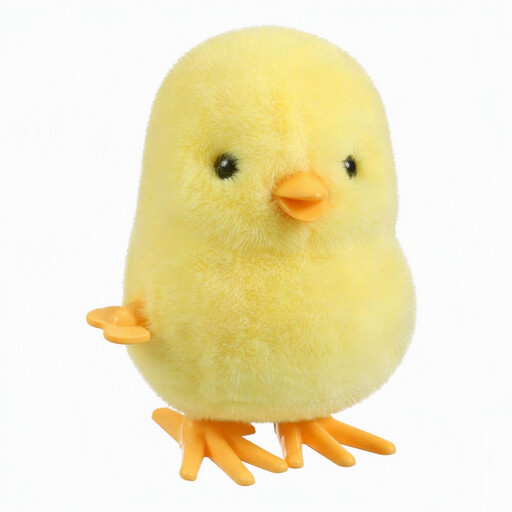
Why it suits this profile: This mechanical indoor toy doesn’t need batteries, and its compact dimensions make it easy to store away.
Its operation is straightforward: wind it up, set it down and watch it go. There are no hidden battery costs or complicated set-up.
Mechanical, battery-free operation; 8 × 6 × 9 cm; suitable from 3 years, according to the product information.
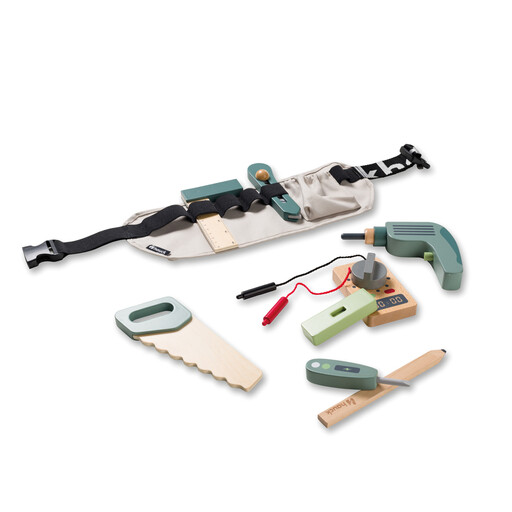
Why it suits this profile: This toy tool set combines several clearly listed accessories with an adjustable belt, making it a great choice for creative pretend play from age 3.
The number of pieces and the tools included are clearly listed. The belt keeps everything organised and adjusts with a press stud.
9 pieces; FSC-certified wood, according to the product description; stated compliance with EN 71.
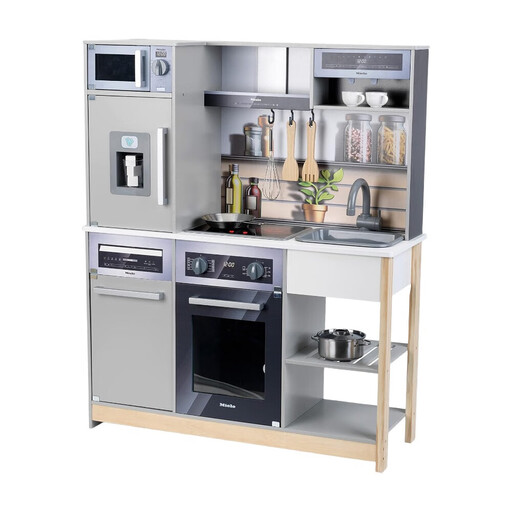
Why it suits this profile: This play kitchen has several activity areas and is ideal for shared pretend play at home, in group rooms or at nursery.
The floor space required and the weight are clearly stated. The need for adult assembly and batteries for the hob functions is also made explicit.
83,5 × 30 × 101 cm; 16,3 kg; hob with lights and sound; suitable from 3 years, according to the product information.
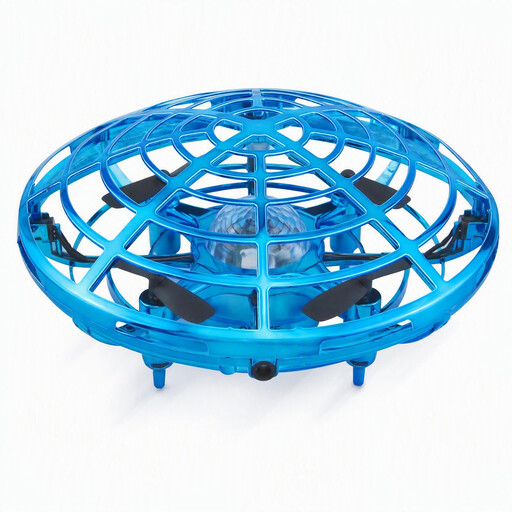
Why it suits this profile: This indoor active-play toy is controlled by hand and features LED lights and a built-in rechargeable battery.
The age recommendation of 6 and over, the need for supervision and the safety guard guidance are clearly explained. The toy is designed for indoor use.
11,5 × 11,5 × 5 cm; USB charging; built-in lithium battery and LED function, according to the product description.
We’ve put together a complete, regularly updated list of products that meet these strict selection criteria and fully comply with the safety regulations applicable in the EU.
Depending on your child’s interests and the space you have, these categories may also be worth considering:
Look for products with a clear age recommendation, straightforward functions and sturdy parts that are easy to check. Pretend-play toys such as a play kitchen, household set or toy tool set may be suitable. You should still take small parts and safety warnings into account.
A toy’s lifespan depends on its materials, how often it’s used, how it’s stored and how well it’s cared for. Don’t overwind mechanical toys, soak wooden toys or use electronic toys while they’re charging. Regular checks for wear won’t necessarily make a toy last longer, but they can help you spot damaged parts in good time.
This depends on the battery type, how long the toy is used for and the features it has. Before buying, check whether it needs AA, AAA or C batteries and whether they’re included. For toys with LED lights or sound that are used often, rechargeable batteries can be a practical alternative, provided the manufacturer doesn’t advise against them.