
Lieferung heute & morgen

Qualitätsgarantie

Willkommens-Angebote freischalten: KOSTENLOSE Lieferung | Bis zu 80 % RABATT | Kostenlose 30-Tage-JoyPlus-Testphase
App herunterladen
Toys for children should be entertaining, support their development and work reliably in everyday life. The selection ranges from baby toys and children’s toys for ages 3 and over to experiment kits for children aged 8 and over. However, the sheer variety can make buying decisions challenging. A product may appear to offer many features at first glance, while important details about small parts, batteries or space requirements are easily overlooked.
As a Joybuy Product Recommendation Officer, I therefore filter the relevant product information and organise it according to practical usage scenarios. What matters is not advertising claims, but verifiable details such as the recommended age, contents, power supply, material information and safety warnings.
Lights, music, sounds and numerous accessories may seem appealing. However, a complex product may be unsuitable for a baby, while older children can quickly lose interest in a very simple toy. You should therefore always check the age recommendation before buying. It is not merely a suggestion: it takes into account factors such as motor skills and the potential presence of small parts.
Batteries are often not included with battery-operated toys. This may apply, for example, to a baby activity table or a microscope with LED lighting. For rechargeable products, it is important to check whether the battery and charging cable are included. Consumables may also be relevant: depending on the version, a children’s experiment kit may require additional household materials or need replenishing after several uses.
A train set needs not only storage space but also a sufficiently large play area. A remote-control car for children can work well indoors if the floor is suitable and the noise level is appropriate for your household. For toys with sirens, music or steam effects, parents should check whether these functions can be switched off or adjusted.
For children’s toys for ages 3 and over, warnings about small parts that could be swallowed are particularly important. For products intended for younger children, parents should look for sturdy components, rounded edges and an age-appropriate design. The marking ‘Not suitable for children under 36 months’ must not be ignored. Experiment kits and microscopes may also mention functional points, edges or chemical components.
The CE marking indicates that the supplier declares compliance with the applicable EU requirements. It does not replace an individual check by an adult. The packaging, instructions and product description should be considered together.
Smooth surfaces and rounded edges make cleaning easier and reduce the risk of minor injuries during normal use. Specific material information is helpful for plastic toys. For example, the activity table model in this selection is described as being made from ABS plastic and BPA-free materials. Nevertheless, you should always compare such information with the details on the packaging and in the instructions.
For several of the products featured, care simply involves wiping the surface with a dry or slightly damp cloth. Electronic components, rechargeable batteries and battery compartments must not come into contact with water.
Before placing your order, it is worth checking:
A construction vehicle toy with manual functions usually does not require a power supply. An RC stunt car with a 2.4 GHz remote control and gesture control offers more technology, but it must be charged and checked for damaged wheels or body components before every use.
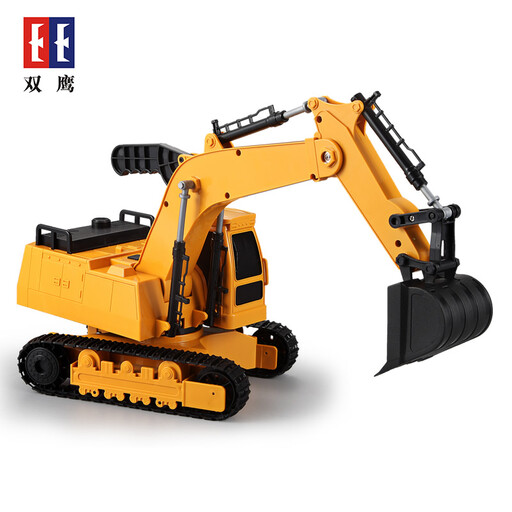
Why this product suits this profile: According to the product information, this manual construction vehicle toy is suitable for children aged 3 and over and requires no batteries. It is suitable for role play on the floor or in a sandpit, provided the surroundings are appropriate.
No ongoing battery costs and no charging time. Before buying, you should still consider the age warning and the required supervision.
Manual functions, rotating cab, movable arm and rubber tracks according to the product description.
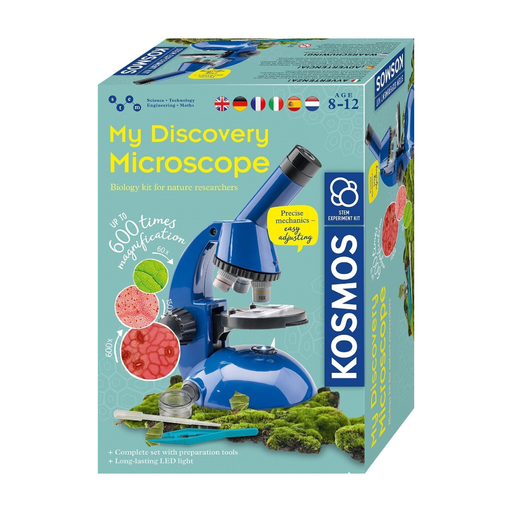
Why this product suits this profile: This children’s experiment kit is intended for children aged 8 and over. It includes a microscope, specimen preparation accessories and a colour guide. It is ideal for families who want to combine observation with learning about the natural sciences.
The listed contents clearly specify the accessories included. At the same time, the product information highlights small parts, points and the need for supervision when using batteries.
Up to 600x magnification according to the product information, LED lighting and instructions for making initial observations.
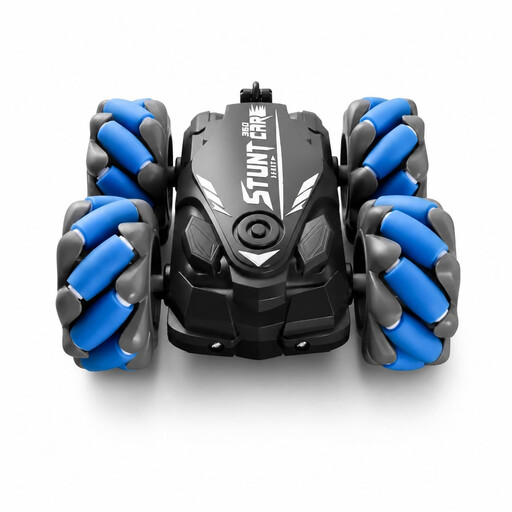
Why this product suits this profile: According to the product information, this remote-control car for children is intended for children aged 8 and over and offers both remote-control and gesture control. For frequent users, the rechargeable battery and 2.4 GHz operation are important selection criteria.
The battery and USB charging cable are included according to the description. Before every drive, the wheels, body and connections must be checked.
Four-wheel drive, 360-degree stunts, sideways drifting and three control modes according to the product data.
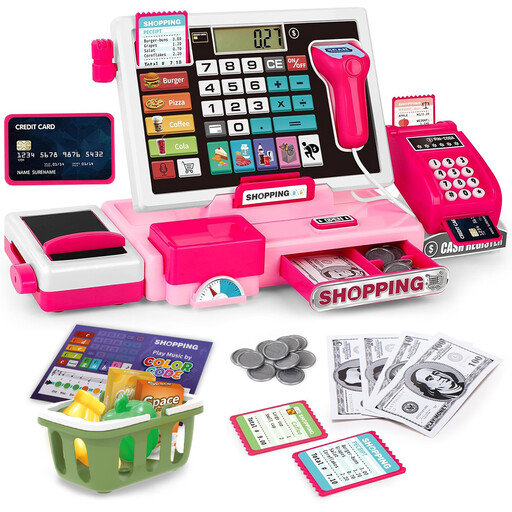
Why this product suits this profile: This play cash register is intended for children aged 3 and over. It combines role play with a calculator, play money, scanner and shopping accessories. It may make a suitable gift for children and is suitable as a toy for both boys and girls.
The described contents make it clear which accessories are included. Small parts and batteries should be taken into account before buying and using the product.
Calculator, LED light, sound effects and piano mode according to the product description; dimensions: 37,49 × 8,99 × 19 cm.
We have put together a complete, regularly updated list of products that fully meet these strict selection criteria and the safety regulations applicable in the EU.
Simple role-play toys, manual construction vehicles or an age-appropriate railway may be suitable. The key factors are the specific age recommendation, any small parts that could be swallowed and whether the toy can be used under supervision.
Running time depends on the type of battery, frequency of use and number of functions. When choosing a toy, buyers should check whether batteries are included, whether there is an on/off switch and whether the volume can be adjusted. Rechargeable models avoid the need to buy disposable batteries regularly, but they do require a safe place for charging.
Educational toys should match the child’s age and existing interests. A microscope or experiment kit is more useful when the instructions, accessories and supervision arrangements are suitable. For products with small parts, sharp points or mixing materials, direct adult supervision is an important part of using the product.