
Lieferung heute & morgen

Qualitätsgarantie

Willkommens-Angebote freischalten: KOSTENLOSE Lieferung | Bis zu 80 % RABATT | Kostenlose 30-Tage-JoyPlus-Testphase
App herunterladen
Toys should suit a child’s age, abilities and everyday life. However, eye-catching light effects, extensive accessory lists and supposedly educational promises do not automatically make a product a good purchase. When choosing toys for children, you should therefore check the safety information, how the toy is played with and the intended situation first.
Music, lights, buttons and multiple play modes can seem appealing. For babies, however, an overloaded product may be confusing, while older children can quickly lose interest if there is no scope for variation. What matters is whether the toy suits the child’s stage of development and interests.
A product labelled ‘from 3 years’ is not suitable for younger children, even if individual parts appear to be large enough. Small parts, removable accessories and battery compartments require particular attention. With baby toys, it is also important to check whether there are loose parts and how easily they can come away.
Musical toys and remote-controlled vehicles often require batteries. Depending on the model, a remote-controlled car may also involve charging times, replacement batteries and cleaning after outdoor play. Volume control, an easily accessible battery compartment and the right environment are therefore practical selection criteria.
The age recommendation is a minimum requirement, not an individual assessment of a child’s development. Products with small parts must not be used by children under three. For baby toys intended for 6 to 36 months, parents should also check whether the product stands securely, has rounded edges and can be inspected regularly for damage.
For construction vehicles, toy cars and building toys, you should consider the intended environment: a large vehicle with a movable loading bed needs space and may be better suited to a sandpit or garden than a small child’s bedroom.
For plastic toys, details such as ABS plastic, rounded edges and a securely closed battery compartment are relevant. The CE marking indicates that the manufacturer declares compliance with the applicable EU requirements. However, it is not an independent quality mark and does not replace checking the warnings, workmanship and instructions for use.
For products referring to EU standards, you should check the specific product page. The information provided for several items mentions EN 71 and CE. These details come from the respective product descriptions and should not be interpreted as covering properties beyond those stated there.
Check the following before buying:
One example is the musical drum for babies: according to the product details, it is made from BPA-free ABS plastic, is intended for 6 to 36 months and requires batteries, which are not included. The five shapes and colours, lights and animal sounds offer several ways to interact with it. In a quiet home, however, the question of volume remains important.

Why this product suits the profile: According to the product description, the table combines six play areas and can also be used as a floor play panel with its detachable legs. This may appeal to families looking for a versatile baby toy instead of several individual products.
The description mentions volume control and a quiet mode. This allows the noise level to be adjusted for use in the home.
Six play areas, detachable legs and a stated age range of 6 to 36 months.
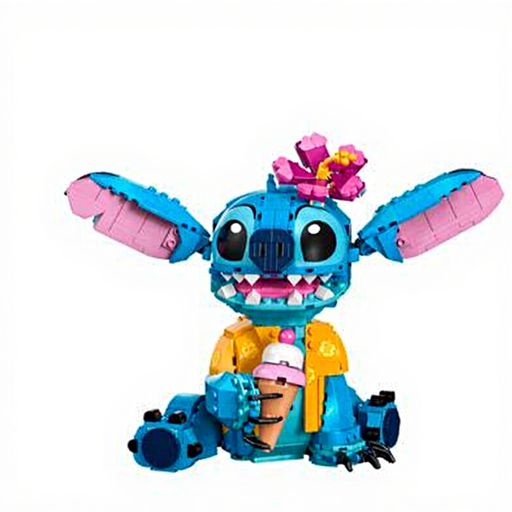
Why this product suits the profile: The set contains 730 pieces, is intended for ages 9 and over, and can be built, played with or displayed. The movable ears and rotating head provide a clearly defined function beyond simply putting it together.
The number of pieces and age recommendation are clearly stated. The warning about small parts makes it clear that the set is not intended for younger children.
730 pieces, movable elements and support from the LEGO Builder app.
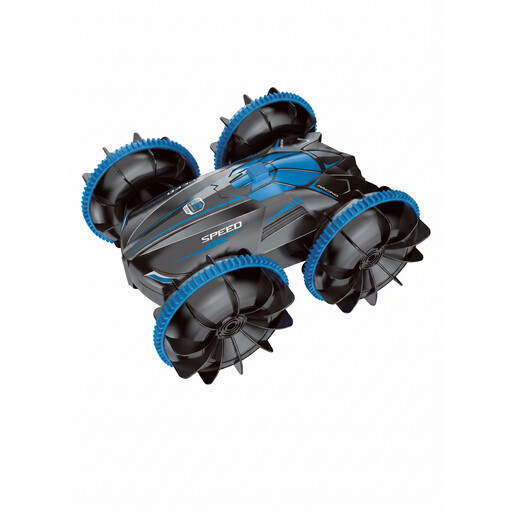
Why this product suits the profile: According to the product description, this remote-controlled car is designed for various surfaces and shallow water. Hand and gesture controls will appeal to users looking for an interactive outdoor toy.
The description explicitly states that it is intended for use on land and in shallow water. Before use, check the seals, charge level and safety information.
Four-wheel drive, 2.4-GHz control, double-sided driving and a 360-degree turning function.
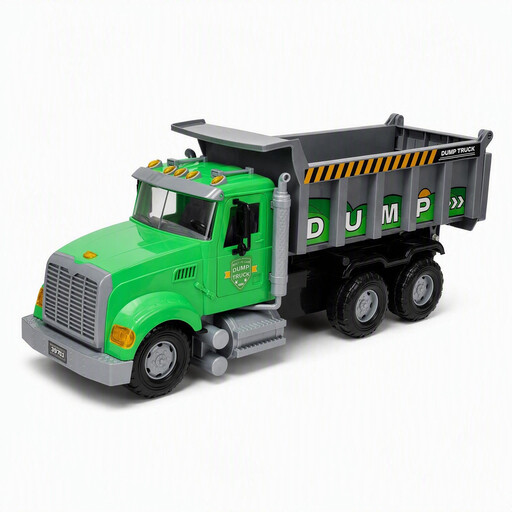
Why this product suits the profile: This battery-free construction vehicle uses a friction mechanism and has a movable tipping body. It is suitable for children aged 3 and over who enjoy simple toy cars and construction-site scenarios.
Operation without batteries reduces ongoing energy costs. The product details also give dimensions of approximately 59.69 × 17.27 × 25.40 cm – measure the required space in advance.
No batteries required, a large tipping body, and described as suitable for sand, small toys and indoor areas.
We have put together a complete, regularly updated list of products that fully meet these strict selection criteria and the safety regulations applicable in the EU.
Suitable products have an appropriate age recommendation, sturdy construction, rounded edges and no small parts that can easily come loose. An activity table with detachable legs or a musical drum can offer different ways to interact with it. Check the batteries, volume and cleaning requirements before buying. Babies should be supervised appropriately for their age while playing.
Lifespan depends on the materials, mechanics, intensity of use and storage conditions. Battery-powered products require regular checks of the battery compartment. Building toys should be stored dry and with all pieces accounted for. Outdoor vehicles should be cleaned after contact with sand or water and checked for cracks, loose wheels and damaged joints.
Musical toys usually incur battery costs unless a rechargeable battery is integrated. A remote-controlled car may also require replacement batteries, charging accessories or batteries for the remote control. A mechanical construction vehicle without a battery, on the other hand, does not incur energy costs during normal use. The details on the relevant product page show which power supply is required.