
Lieferung heute & morgen

Qualitätsgarantie

Willkommens-Angebote freischalten: KOSTENLOSE Lieferung | Bis zu 80 % RABATT | Kostenlose 30-Tage-JoyPlus-Testphase
App herunterladen
A structured workshop organisation is the foundation for efficient and safe workflows. Selecting the right workshop equipment is based on an analysis of material, load capacity, and functionality. Whether for professional use or an ambitious DIY project, the stability and durability of storage solutions are critical factors. This guide focuses on the technical specifications of tool carts, heavy-duty shelving, and tool cabinets to enable an informed purchasing decision.
The decision for a specific storage solution should be based on objective criteria. The following parameters will help you assess its suitability for your particular application.
The material used is a key determinant of the robustness and lifespan of your workshop equipment.
The specified maximum load capacity is a critical safety and functional aspect.
Modern tool storage offers more than just space. Specific features enhance usability and safety.
Based on the criteria above, we present three products that stand out for their specific technical features, suiting different applications.
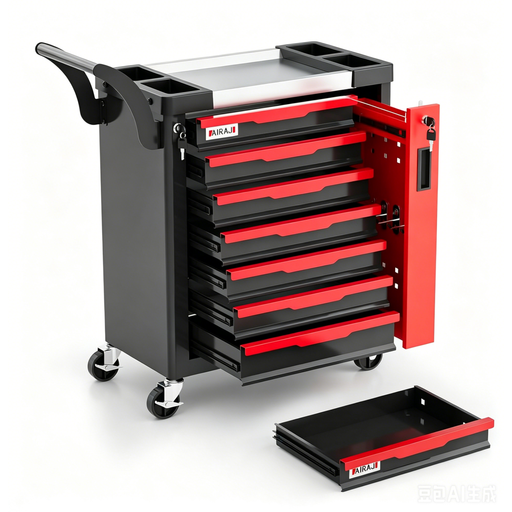
Why We Recommend It: This tool cart combines high mobility with a robust construction of 0.7 mm thick, cold-rolled steel. Its total load capacity of approx. 250 kg (550 lbs) and central locking system make it a secure and flexible solution for workshops and garages.
Advantages:
Best For: Users who need a mobile yet high-capacity tool storage solution. Ideal for professional workshops, repair shops, and discerning DIYers who require flexible access to their tools at the worksite.
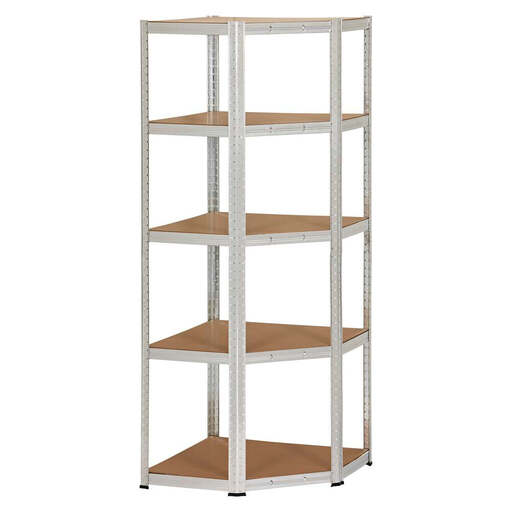
Why We Recommend It: This heavy-duty shelving unit from PROBUILDER makes optimal use of available space with its corner design. The galvanized steel construction and high load capacity of 175 kg per shelf (total capacity 875 kg) provide an exceptionally stable storage solution.
Advantages:
Best For: Individuals who need maximum storage capacity on a minimal footprint. It is a fitting solution as garage shelving or basement shelving for organising heavy tools, boxes, or supplies.

Why We Recommend It: This tool cabinet offers a secure and flexible storage option. Its steel construction, lockable doors, and adjustable shelves make it a versatile organiser for the workshop, office, or home.
Advantages:
Best For: Users looking for a secure, lockable, and customisable storage solution. Its neutral design makes it suitable not only as a lockable metal cabinet for the workshop but also for offices or utility rooms.
If the models presented don't perfectly match your requirements, a wide range of other storage solutions is available. The Steel Cabinets category, in particular, features numerous variants in different sizes and configurations, allowing you to find a tailored fit for your space.
1. What should the load capacity be for a heavy-duty shelving unit? The required load capacity depends on what you plan to store. For hand tools, paint cans, and varnishes, shelves with a 50–100 kg capacity are often sufficient. For heavy machine parts, engines, or large quantities of materials, you should consider shelving with a load capacity of 175 kg per shelf or more.
2. What is the best material for a tool cabinet? Steel, particularly powder-coated or cold-rolled steel, is the material of choice for high-quality tool cabinets due to its high strength, durability, and resistance to mechanical impact. It offers an excellent compromise between weight and stability.
3. Why is wall mounting important for shelves and cabinets? Wall mounting prevents the furniture from tipping over, especially when heavily or unevenly loaded. This is an essential safety measure to prevent accidents caused by falling shelves or cabinets. It is recommended for all shelving units and cabinets over one metre in height.