Recording condition details
If you want to capture corners, edges or small surface features, close focusing, magnification and even lighting are all important. PSA lists corners, edges, surface and centring as condition characteristics.


You don’t necessarily need a new camera: if your current camera captures both full-card shots and the condition details you want in sharp focus, start with a fixed setup and controlled window light. If you take close-ups regularly, consider a compact camera with a documented close-up function or a mirrorless camera with a compatible macro lens. With glossy cards, you’ll need to manage lighting and reflections regardless of the camera you use.
If you want to capture corners, edges or small surface features, close focusing, magnification and even lighting are all important. PSA lists corners, edges, surface and centring as condition characteristics.
When photographing cards with holographic surfaces, sleeves or cases by a window, you’ll want to control reflections without hiding details with your lighting setup. The distance from the camera and the positioning of the card and light can also make a difference.
For repeatable full-card shots, a fixed camera position can be more important than maximum magnification. Canon Germany recommends a fixed camera position for consistent product photography.
First, check whether the lens can focus closely enough while leaving room for the lighting setup you want. Canon Academy recommends mounting the camera on a tripod for macro photography wherever possible.
A good fit if: Your test shots already show the whole card and the condition details you need clearly.
Bear in mind: Close-focusing ability and detail rendering depend on the specific device, so test it at the spot where you plan to take your photos.
A good fit if: You often photograph small details and don’t want to change lenses.
Bear in mind: OM SYSTEM lists a close-focusing distance of up to 1 cm and around 12 megapixels for the Tough TG-7. The short distance alone doesn’t tell you whether it’s suitable for photographing a whole card.
A good fit if: You want to take full-card shots and occasional close-ups, and use the camera for other subjects too.
Bear in mind: A kit zoom isn’t automatically a macro lens. Canon Germany lists different magnification ratios for the RF-S 18–45 mm, depending on the focal length and focusing method.
A good fit if: Tiny surface flaws or print details are regularly your main subject, and you’re happy to change lenses.
Bear in mind: Check that the lens is compatible with your camera mount and consider its working distance. Lighting can be more challenging at close range.
| What you’re looking for | What to look for when buying | Who this matters most to |
|---|---|---|
| Small condition details | The magnification ratio and minimum focusing distance of the specific lens; test it with both a full-card shot and a close-up. | If I’m documenting corners, edges or fine surface features, I need suitable close-focusing ability without the camera blocking the window light. Around 29% of consumers put clearly visible condition details first. |
| Reflections and shadows | Check whether the distance and setup leave enough room for the card and an adjusted lighting arrangement; test with the actual card surface. | When photographing glossy holographic cards, I want to control distracting reflections while still showing the surface. Around 23% of consumers prioritise controlling reflections and shadows. |
| Consistent colours | Check the white balance settings and, if you plan to edit your photos, the file formats supported by the specific model. | When I photograph cards in changing daylight, consistent colours matter to me. Around 18% of consumers put consistent colour reproduction first. |
| A repeatable process | Check whether you can secure the camera or smartphone in place, and whether you can easily control the focus and framing. | When photographing lots of cards, I want to keep the same framing without setting everything up again for each shot. Around 18% of consumers prioritise a quick, repeatable process. |
| Avoiding extra purchases | Test the equipment you already own and, if buying new, check the lens and what’s included in the specific kit. | If I only take photos occasionally, I want to make the most of the equipment I already have and avoid unnecessary extra purchases. Around 12% of consumers put keeping additional purchases to a minimum first. |
Close-up capability also depends on the lens. For the Canon RF-S 18–45 mm, the manufacturer’s magnification figures vary according to focal length and focusing method.
Check the specifications of the lens actually included and test the level of detail you want before budgeting for additional accessories.
A very short focusing distance doesn’t prove that a camera is suitable for full-card shots. The camera can also block window light when positioned close to the card.
Assess the full-card shot, close-up and lighting separately at the spot where you plan to take your photos.
A kit zoom and a separately sold macro lens are different components. The Nikon Z50II kit is listed with the NIKKOR Z DX 16–50 mm; you’ll need to check the macro option separately.
Before buying, check the exact kit name and the contents of the specific offer.
The EOS R50 kit with the RF-S 18–45 mm zoom is a documented option for full-card shots. For stronger close-up performance, check a compatible macro lens separately.
The Z50II kit is listed with the NIKKOR Z DX 16–50 mm; the separately sold Z DX MC 35 mm f/1.7 is a macro option.
The SEL30M35 is a macro option for compatible APS-C cameras with an E-mount.
The Tough TG-7 is a compact camera with a built-in lens and manufacturer specifications for close-up photography.
A selection of cameras for digital photography from Joybuy. Use your own test shots to check whether the close-focusing ability and lighting setup work for trading cards.
 No image available
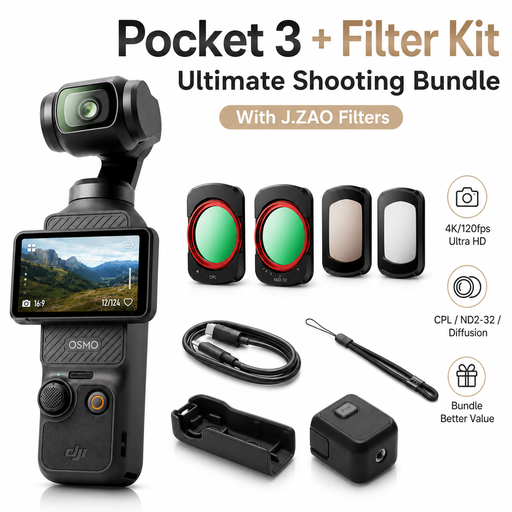
If you’re considering a camera bundle with a filter kit, this offer is listed as the Osmo Pocket 3 Standard Combo.
The product title mentions a 1-inch CMOS sensor and a rotating touchscreen. The description lists a CPL filter kit designed to reduce reflections and glare; test how well it works with your own cards and lighting setup.
 No image available
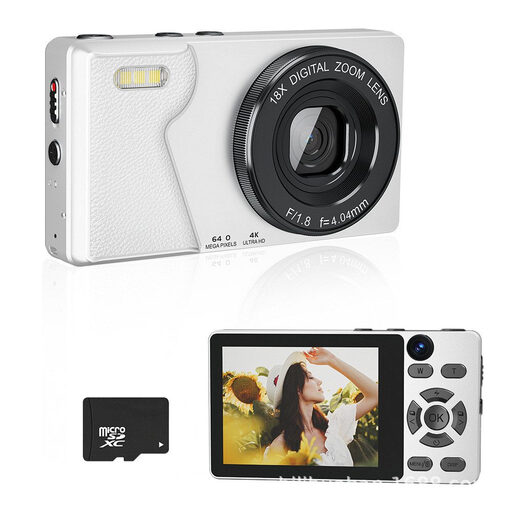
If you’re looking for a compact camera for digital photography, the product title lists autofocus and a 2.8-inch display.
The product title also lists 64 MP, while the description mentions a dual camera. Test it with a card to see whether the focus and framing meet your needs.
 No image available
If you’re looking for a mirrorless camera supplied with a zoom lens, this offer includes a 16–50 mm power zoom lens.
The product description lists 24.2 MP and RAW support. For close-ups, check whether the included lens can focus closely enough.
 No image available
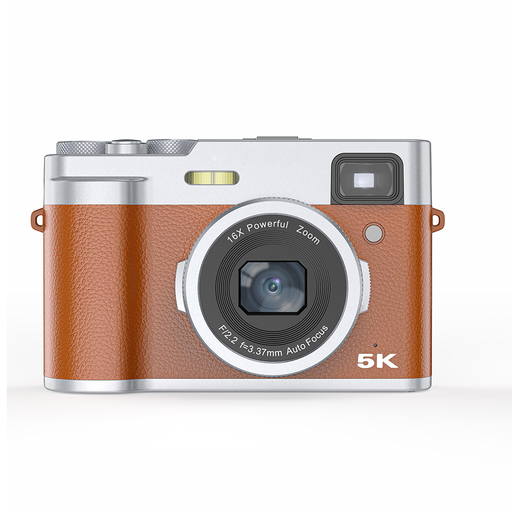
If you’re looking for a compact digital camera with autofocus, this model is listed as such in the product title.
The product title lists 48 MP and a 2.8-inch LCD. The description mentions a 12 MP rear camera and an image resolution of up to 48 MP through interpolation.
 No image available
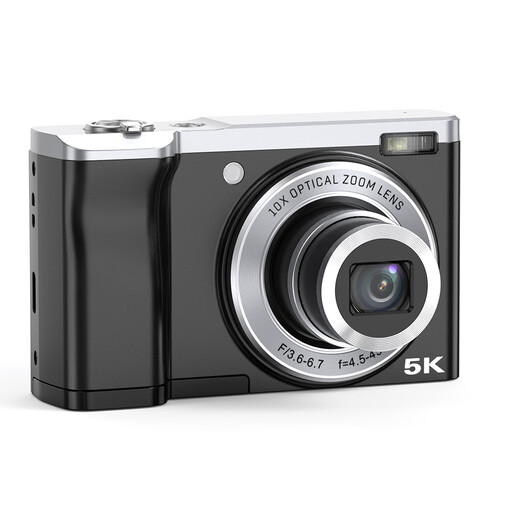
If you want to consider a digital camera with optical zoom, the product title lists 10x zoom.
The product description lists 16 MP and 12 MP cameras. Check whether you can adjust the framing to suit your card photography.
Secure the camera in place to keep the framing consistent, then check both a full-card shot and a close-up. If a shadow falls across the card, adjust the distance or positioning. Canon Germany points out that the camera and the person taking the photo can cast shadows in natural light.
No, a macro lens won’t get rid of reflections by itself. It helps you capture small details, but you’ll need to assess reflections by adjusting the position and direction of the light. A very short shooting distance can also make lighting more difficult.
Compare the camera body, lens and contents of the full kit, as additional lenses or accessories may mean extra purchases. According to Your Europe, goods bought from a trader in the EU are generally covered by a legal guarantee of at least two years from receipt. This is different from a voluntary manufacturer’s warranty.
For eligible distance purchases from a trader, you generally have 14 days from delivery to withdraw from the contract. According to Your Europe, purchases from private individuals aren’t covered by this right, so check the seller’s status and the terms that apply to your purchase.