Photographing traditional dress
For full-length shots, you need lighting that keeps the fabric and silhouette clearly visible. Canon Europe describes reflectors and diffusers as ways to control light and shadow.


If window light is mainly lacking on the shadow side, a white reflector may be a good first step; Canon Europe describes reflectors as a way to brighten shadows. A dimmable video light is more worthwhile if you want to shape the light deliberately or repeat shots in changing daylight. For full-length shots, what matters is the actual coverage with your chosen light modifier; for embroidery, it’s the direction of the light; and for comparable fabric colours, set the white balance under the light you’ll use for the shoot.
For full-length shots, you need lighting that keeps the fabric and silhouette clearly visible. Canon Europe describes reflectors and diffusers as ways to control light and shadow.
For seams and embroidery, a carefully positioned light source can help reveal the texture. Check how it looks on the actual embroidery so the shadows aren’t distracting.
If you want fabric colours to look consistent between shots, it’s important to keep your setup the same. Nikon USA describes using a neutral reference for white balance as a helpful approach when working with mixed light.
First, work out whether you just need to redirect the window light you already have or add another light source. This will help you decide on the light’s coverage, colour control, positioning and power supply.
| Your needs | What to check before buying | Who is this important to? |
|---|---|---|
| Lighting the whole costume | Check that the diffuser or softbox is suitable, and that the mount and light coverage work for the costume at the distance you plan to use. | If I want to show the whole costume in as even a light as possible, the size of the light modifier is key. Around 36 % of consumers say showing the full outfit is their main priority. |
| Comparing fabric colours | Check the adjustable colour temperature range and the model-specific colour-rendering specifications; set the white balance with a neutral reference under the final lighting setup. | If I want to document fabric colours or compare them between shots, I need a lighting and camera setup I can repeat. Around 29 % of consumers say comparing colours is their top priority. |
| Showing embroidery | Make sure you can adjust the light’s position and modifier, and take a test shot of the actual seams and embroidery. | If I want to show raised embroidery and seams, I need to be able to control the direction of the light. Around 21 % of consumers say embroidery details are their main priority. |
| Moving your setup | Check whether it runs from the mains or a battery, which batteries and adapters are compatible, and whether the specific version has the tripod and light modifier mounts you need. | If I want to move my shooting location or work without a suitable power socket, the power supply of the specific model matters. Around 14 % of consumers say a portable setup is their top priority. |
Measurements depend on the setup: amaran’s photometric data, for example, distinguishes between the light without an attachment and with a Hyper Reflector. It doesn’t tell you how a softbox will light a costume.
Only compare figures taken at a similar distance and with the same light modifier, and assess how the light falls on the actual costume.
You may also need a suitable diffuser and mount.
An adjustable colour temperature won’t automatically compensate for changing window light or guarantee a particular colour rendering on the costume.
If you make a significant change to the lighting setup, take a shot with a neutral reference and check the fabric colours under your planned lighting.
Connections and items supplied can vary by model and version. Rollei lists a Bowens adapter for the LUX series separately; NEEWER doesn’t list batteries or a D-Tap cable as included with the MS60B described.
Check the full model name, connection and items included with the specific German listing. Also check the relevant product documents and markings.
Depending on the version, you may need to buy a battery, adapter or light modifier separately.
The Canadian Conservation Institute notes that light intensity and exposure time can cause cumulative and irreversible damage to textiles.
Prepare your setup before lighting the costume, and avoid unnecessarily bright lighting or prolonged exposure.
The Candela 100 Bi-Color and LUX Bi-Color ranges are adjustable COB continuous lights; the LUX series is a separate range of flat lights.
The SL100Bi is a mains-powered Bi-Color COB light; the manual confirms compatibility with Bowens light modifiers.
The COB 60x S is a Bi-Color COB light with a Bowens mount for separately selected light modifiers.
The PavoSlim 60B is a Bi-Color panel for buyers considering a panel light instead of a COB spotlight.
The MS60B is a compact Bi-Color COB alternative supplied with a power adapter and, according to the manufacturer, compatible with battery options.
This selection of Joybuy products includes compact photo and video lights, a ring light and an effects light for additional illumination. Check that the coverage, positioning and items supplied suit your costume and shooting location.
 No image available
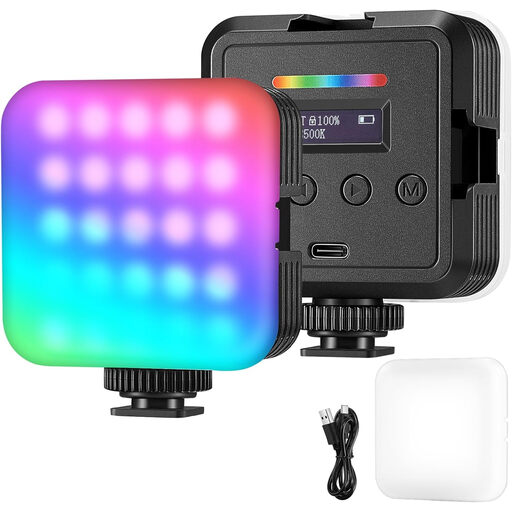
A compact light for additional photo and video illumination when you want to adjust the brightness and colour.
The description lists RGB, white and warm light modes, adjustable brightness and colour temperature, as well as a built-in battery and USB power.
 No image available
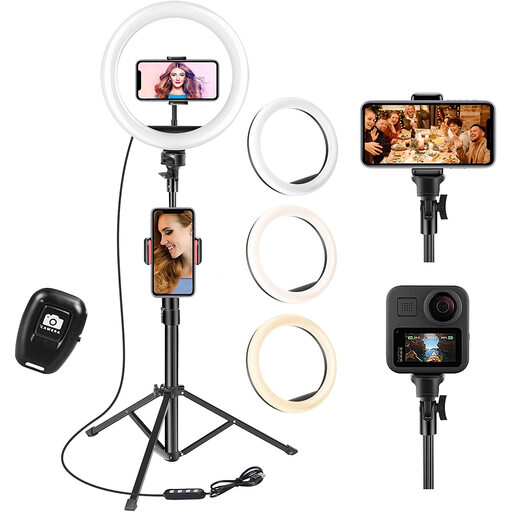
A ring light with a tripod for setups where you want to adjust the position of the light source.
The description lists three colour temperatures, ten brightness settings and a height-adjustable 63-inch tripod.
 No image available
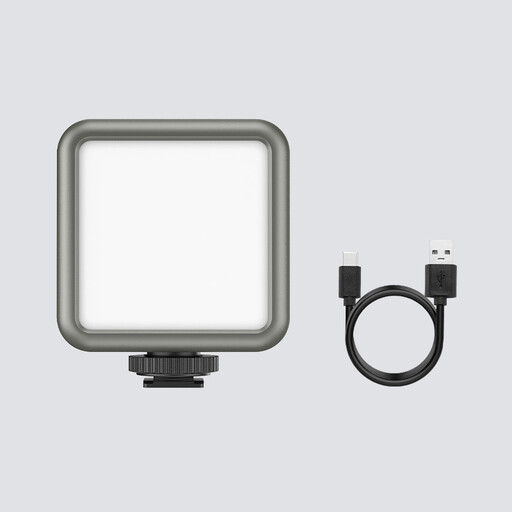
This compact light is an option for mobile shoots where you want to vary the colour and position of the light.
Specifications include 2,500–9,500 K, a built-in 2,000-mAh battery and magnets on the back.
 No image available
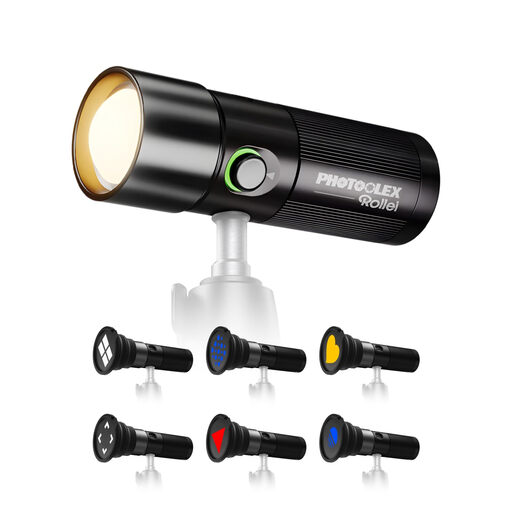
This effects light is worth considering if you want to direct light onto specific details and check the result in a test shot.
The product specifications list 19 gobos, four colours, an adjustable beam angle of 58–90°, a diffuser, a built-in battery and three 1/4-inch tripod mounts. For white light, the stated ratings are CRI 95+ and TLCI 97+.
The product description warns against looking directly at the LEDs when they’re switched on.
 No image available
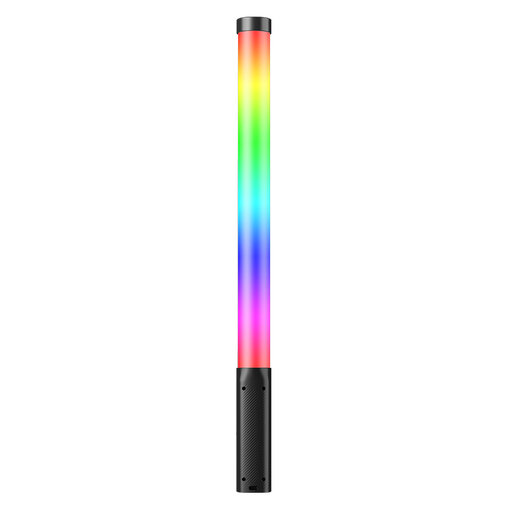
This handheld light is designed for a mobile setup where you want to change the position of the light.
Specifications include RGB light, 2,500–9,000 K, a built-in 3,300-mAh battery and 360 lux at 0.5 m.
If the shadow side is mainly too dark, a white reflector can direct existing window light towards it. If there isn’t enough light overall, or you want your shots to depend less on changing window light, an additional adjustable light source is likely to be more useful.
Set up your lighting and camera for the shot, then work out the white balance using a neutral reference under the light you’ll actually be using. Adjustable colour temperature can help you match the lights, but it won’t automatically compensate for differences between light sources.
The Canadian Conservation Institute notes that light intensity and exposure time can cause cumulative and irreversible damage to textiles. Prepare your shoot in advance, avoid unnecessarily bright lighting and illuminate the costume only for as long as needed; this doesn’t mean there’s a universal lux limit for every textile.
Check whether the softbox, mount, tripod and, where relevant, battery or adapter are included. When buying online from a business seller in the EU, you generally have a 14-day right to cancel; goods are also covered by statutory rights relating to faulty products. Check the specific conditions and any return costs before you buy.
Whether a particular light needs a CE mark depends on the EU regulations that apply to that version. For products covered by the relevant rules, the German Federal Network Agency lists the marking, manufacturer details, and German instructions and warnings among the things to check. A CE mark isn’t an independent performance or safety test report.