
Lieferung heute & morgen

Qualitätsgarantie

Willkommens-Angebote freischalten: KOSTENLOSE Lieferung | Bis zu 80 % RABATT | Kostenlose 30-Tage-JoyPlus-Testphase
App herunterladen
Trail running shoes need to meet several demands, depending on the route: reliable grip on uneven ground, comfort over longer distances and enough breathability in changing temperatures. Many models are marketed as versatile all-terrain running shoes, but that doesn’t automatically make them suitable for every foot, type of weather or route.
Terms such as “ultra-light”, “slip-resistant” or “maximum cushioning” don’t tell you much on their own. What matters is the upper material, the type of foam used in the midsole and whether the outsole is designed for tarmac, woodland paths or wet rocks. Without these details, it’s difficult to judge how suitable the shoes will be for everyday use.
Road-to-trail shoes are designed for switching between roads, surfaced paths and moderate trails. However, that doesn’t mean they’re suitable for technical mountain trails, deep mud or consistently wet ground. The tread pattern and rubber compound need to match the conditions you’ll actually encounter.
Shoes that are too small can put pressure on your toes during longer runs. Shoes that are too loose may not provide enough support on descents or uneven ground. So, when choosing a size 42 running shoe, consider your measured foot length as well as the EU size. For the model featured here, EU 42 corresponds to a foot length of 260 millimetres.
Lightweight running shoes with sandwich mesh and woven fabric allow air and moisture to circulate well. This is particularly important on longer routes and in warmer temperatures. An additional TPU reinforcement on selected versions can provide extra protection against abrasion from branches or stones.
However, a highly breathable upper is not the same as a waterproof one. If you often run in the rain, check the product description for a specific membrane or stated water protection. The models featured here prioritise breathability.
EVA cushioning can soften the impact of running on tarmac and hard woodland paths. If you’re looking for running shoes for long distances, weight, energy return and a stable feel are also important, alongside cushioning. A softer midsole may feel comfortable, but can feel less controlled on very uneven terrain.
According to the product descriptions, the PELLIOT models use a highly elastic EVA foam midsole. These details relate to cushioning and rebound; they should not be taken to imply any medical or therapeutic benefit.
Slip-resistant running shoes need an outsole with a tread pattern suited to the ground. On wet rocks, loose sand and muddy sections, the rubber compound, tread layout and contact area all matter. The ROCKYTEC outsole on the PELLIOT models mentioned here is described as an abrasion-resistant rubber outsole offering grip on a range of surfaces. Vibram Megagrip is also specified on selected versions.
If you often run on tarmac, the tread shouldn’t be unnecessarily deep, as an aggressive trail pattern can wear down more quickly on roads. For walking trails and mixed terrain, all-terrain running shoes with a versatile outsole are a practical choice.
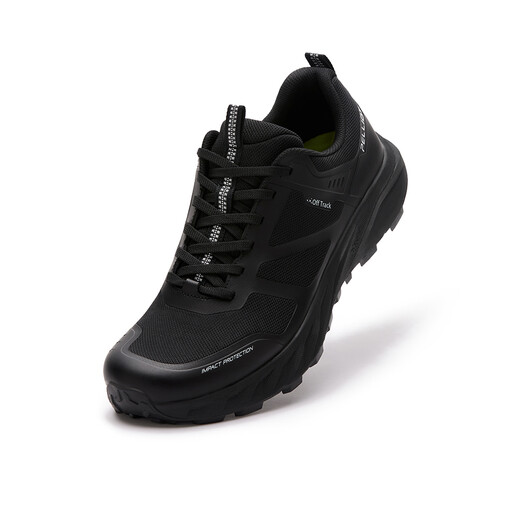
Why this product suits you: These unisex running shoes combine a lightweight mesh upper with EVA cushioning, making them suitable for first runs on roads, surfaced paths and moderate trails. This version is listed in EU 41.
The product description specifies the materials and offers standard and slim fits, rather than relying on general claims about comfort.
Sandwich mesh, a highly elastic EVA midsole and a ROCKYTEC rubber outsole; clean by hand with mild soap and cold water.

Why this product suits you: This version is for anyone looking for a versatile shoe for road running, long distances and walking trails, while paying close attention to foot length and fit.
The size information refers to a foot-length chart, and standard and slim versions are available for different foot shapes.
According to the chart, EU 42 corresponds to a foot length of 260 millimetres; the mesh upper, EVA foam and ROCKYTEC outsole are all specified.
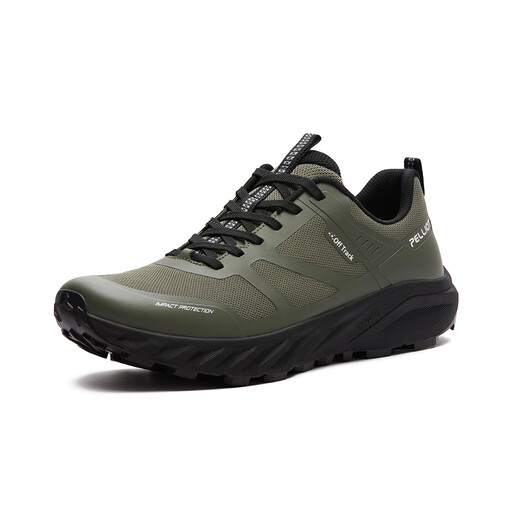
Why this product suits you: These men's running shoes are designed for longer road runs and the transition to surfaced country paths. EU 42 is listed for a foot length of 260 millimetres.
The specified EVA midsole, mesh fabric and abrasion-resistant outsole make it easy to see what materials have been selected.
Lightweight upper, highly elastic EVA foam and a ROCKYTEC rubber outsole described as suitable for a range of surfaces.
We’ve put together a complete, regularly updated list of products that meet these strict selection criteria and fully comply with the safety regulations in force in the EU.
Road-to-trail shoes can be worn on tarmac and surfaced paths. If you mainly run on hard roads, the tread shouldn’t be too deep. For frequent runs on technical terrain, models with more pronounced grip are a better choice.
The heel should feel secure without rubbing or pressing. You’ll need a little room around the toes so they don’t hit the front of the shoe on descents or longer runs. It’s easier to find the right EU size by measuring your foot length than by comparing it with the size you wear in another brand.
Their lifespan depends on the surface, how often you run, your weight, running technique and how well you care for them. Visibly worn soles, cracks in the upper or noticeably reduced cushioning are practical signs of wear. If you regularly run on rough ground, your shoes may wear down faster than they would on occasional runs along even paths.