
Lieferung heute & morgen

Qualitätsgarantie

Willkommens-Angebote freischalten: KOSTENLOSE Lieferung | Bis zu 80 % RABATT | Kostenlose 30-Tage-JoyPlus-Testphase
App herunterladen
Trail mix and nut mixes are convenient snacks for the office, studying, hiking or enjoying at home. The choice ranges from natural and unsalted products to roasted nuts, salted varieties and fruity nut-and-fruit mixes.
However, the front of the packaging does not always tell you everything you need to know. Terms such as “premium”, “energy” or “natural” reveal little about the actual composition. The ingredients list, nutritional information, pack size and allergy advice are what really matter.
Trail mix can contain different proportions of nuts and dried fruit. A product with a high proportion of raisins or cranberries will contain more carbohydrates and sugar than a mix made up mainly of nuts. That is why it is worth checking the percentage of each ingredient.
Examples from the selection:
Roasted nuts may be enhanced with salt, oil or spices. Fruit mixes can contain added sugar or candied ingredients. If you prefer a more neutral flavour, compare the levels of salt, sugar, oil and sweeteners per 100 g.
A nut-and-fruit mix containing dried berries may have a fruitier flavour, while a pure nut mix will generally contain less sugar from its ingredients. This is a matter of composition rather than a blanket assessment of quality.
A 400 or 500 g pack can be useful for keeping a supply at home or sharing between several people. For the office, university or when you are out and about, 150 to 200 g is often easier to carry. Individual portions, such as Cha Cha Daily Nuts 115 g with five 23 g bags, can make portion control easier.
Once opened, nuts and dried fruit should be stored well sealed, somewhere cool and dry. Heat, moisture, light and strong odours can affect their sensory quality.
Read the ingredients list in the order given. The ingredients listed first generally make up the largest proportions by weight. Also check whether the mix contains mixed nuts, kernels, peanuts, dried fruit or additional ingredients such as sugar, honey, oil and flavourings.
Different categories suit different preferences:
Comparing products per 100 g makes packs of different sizes easier to assess. The most relevant values are:
These values do not refer to an individual portion. To estimate your actual intake, weigh out the amount you want to eat, for example 20 to 30 g.
Nuts, peanuts, soya and sulphites are among the ingredients that may need to be declared in this product category. The specific ingredients and allergen information on the packaging is decisive, as recipes can change.
Nuts and seeds can also pose a choking hazard to young children. Products carrying the relevant warnings should be kept out of reach of children under four.
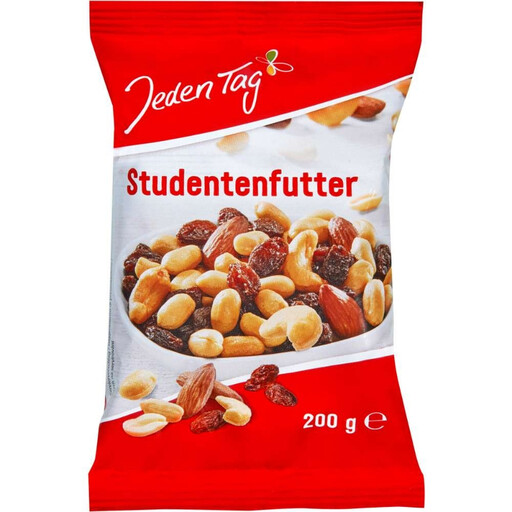
Why this product suits this profile: The 200 g pack combines raisins, peanuts, almonds and cashew nuts, making it suitable for keeping at home or enjoying as a snack while studying.
The product information lists the individual ingredients and their percentages. This makes it easier to assess the comparatively high proportion of raisins before buying.
200 g pack; according to the product information, 17 g of protein and 537 kcal per 100 g.
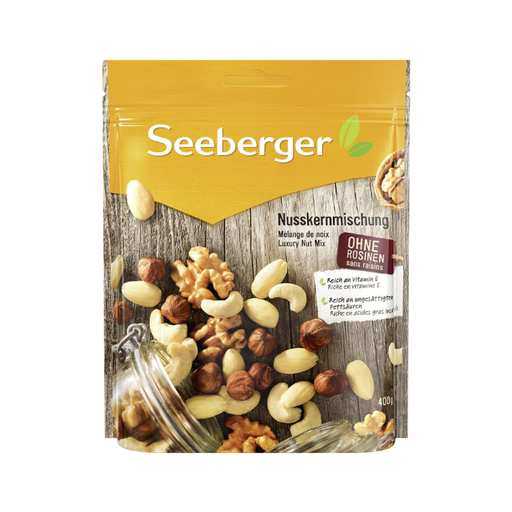
Why this product suits this profile: This mix is aimed at shoppers who prefer a pure selection of nuts without raisins or other dried fruit.
The product name and ingredients information indicate that this is a raisin-free mix. It also states a very low salt content of 0.02 g per 100 g.
400 g pack; according to the product information, 57 g of fat, 20 g of protein and 11 g of carbohydrates per 100 g.
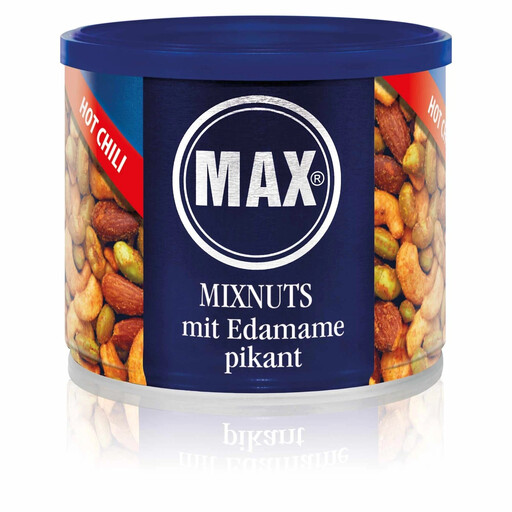
Why this product suits this profile: The mix of almonds, cashews and roasted edamame with chilli is suitable for vegan shoppers and anyone who prefers savoury, spicy snacks.
The ingredients list clearly names chilli, salt, oil and other seasoning ingredients. This makes it clear before buying that it is not a natural, unseasoned mix.
250 g pack; according to the product information, 25 g of protein per 100 g and suitable for vegans.
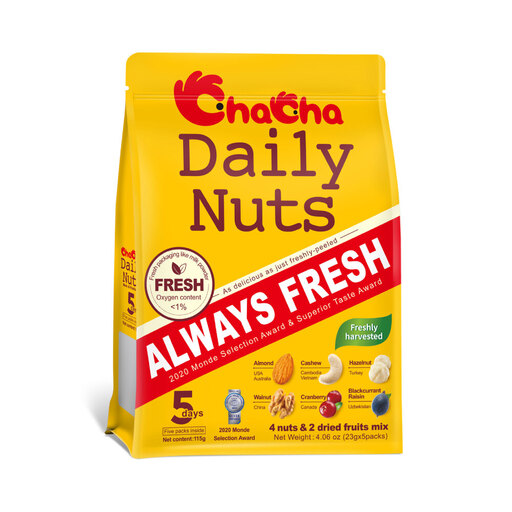
Why this product suits this profile: Five individual 23 g packs are designed for commuting, breaks, hikes or sharing at home.
The pre-portioned packaging reduces the need to store a large pack for a long time after opening. The proportion of each ingredient is clearly stated.
115 g total weight in five portions; according to the product information, 14 g of protein and 0.03 g of salt per 100 g.
We have put together a complete, regularly updated list of products that fully meet these strict selection criteria and the safety regulations applicable in the EU.
Trail mix usually refers to a combination of nuts and dried fruit, often raisins. A nut mix, on the other hand, consists mainly or exclusively of different nuts and kernels. The exact composition varies from product to product, so it should be checked against the ingredients list.
This depends on the packaging, storage conditions and composition of the product. Seal the pack airtight after every serving and store it somewhere cool, dry and protected from light. Dried fruit can become dry, while nuts lose their crunch more quickly when exposed to heat or moisture. The packaging provides the definitive best-before date for the individual product.
Compare the protein content per 100 g. For example, the stated product information gives Seeberger Roasted Nut Selection 24 g, Seeberger Premium Roasted Nut Mix 23 g and Max Mix Roasted Nut & Edamame Snack Mix 25 g of protein per 100 g. The salt content, ingredients and any allergens should also suit your personal requirements.