
Lieferung heute & morgen

Qualitätsgarantie

Willkommens-Angebote freischalten: KOSTENLOSE Lieferung | Bis zu 80 % RABATT | Kostenlose 30-Tage-JoyPlus-Testphase
App herunterladen
When buying trainers and running shoes for women and men online, people often look first at the colour, brand and price. These factors matter, but on their own they reveal little about whether a shoe suits your daily routine, foot shape or the surfaces you use it on. It’s worth looking closely at the specific product details, especially when you see heavily promoted claims such as ‘breathable’, ‘ultra-lightweight’ or ‘maximum cushioning’.
A low-profile everyday trainer can be comfortable on city streets, but that doesn’t automatically make it suitable for longer runs or uneven paths. Trail running shoes, on the other hand, can look quite technical for everyday wear and may have a more pronounced tread than you need on smooth indoor floors.
The adidas Gazelle Indoor Unisex and similar styles, such as the adidas Gazelle Indoor Core Black, are primarily designed for casual outfits and everyday wear. Running shoes, by contrast, should be judged by their cushioning, weight, upper construction and outsole.
‘Breathable running shoes’ should have a clearly specified upper, such as mesh or woven textiles. A soft lining alone doesn’t prove that a shoe offers sufficient ventilation. Care instructions are also important for suede and leather trainers, as moisture, friction and heat can affect the material.
EU sizes can vary between brands, lasts and models. It’s particularly useful to compare the size with the measurement in centimetres or millimetres when shopping for young people or comparing US or UK sizes. Running shoes should leave a little room at the toe, while the heel should feel secure without rubbing or pressing.
For everyday use, leather, synthetic leather and suede are easy to clean and versatile in appearance. Mesh and woven textiles can allow better airflow when you’re on the move. For outdoor shoes, the upper should also have abrasion-resistant sections if you’ll be wearing them on gravel, woodland paths or rocky ground.
An EVA midsole is often used in lightweight running shoes and trail running models. Its performance depends on its density, construction and shape. Well-cushioned shoes shouldn’t just feel soft; they should also offer stability suited to how you plan to use them. A short walk around town calls for different features from a longer run over uneven ground.
The tread should suit the surface. A flatter rubber sole is typically suitable for urban surfaces and casual wear. Outdoor shoes with a more pronounced, non-slip tread can provide better grip on loose ground. However, claims about grip should always be considered in relation to wet conditions, mud, smooth floors and the particular rubber compound used.
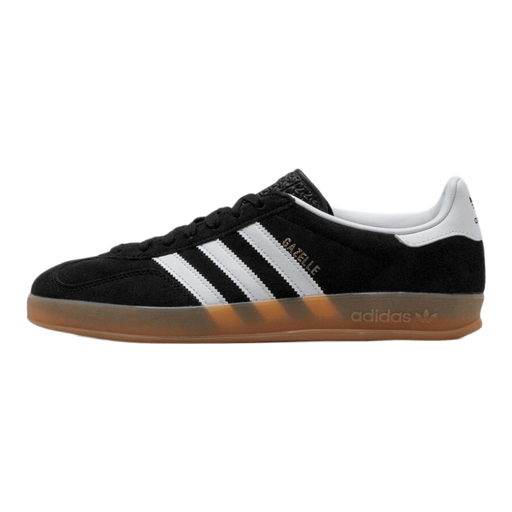
Why this product suits this profile: This style is a good choice for everyday wear, leisure and getting around town if you’re looking for a classic unisex trainer in a subtle colour combination.
The product details clearly specify the upper material, rubber outsole, lining and care instructions. This makes it easier to recognise the shoe as an everyday trainer, rather than assuming it’s a running shoe.
Suede upper with adidas stripes, rubber outsole and sizes from EU 36 to EU 54 2/3.
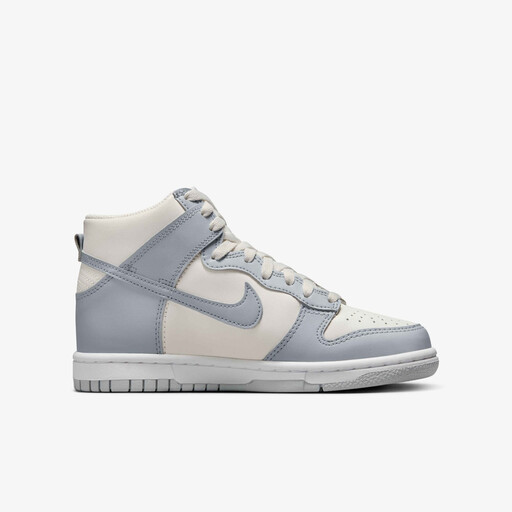
Why this product suits this profile: This high-top trainer is aimed at young people and buyers who prefer a higher cut, a classic design and a genuine leather upper.
The details clearly specify the high-top shape, lace-up fastening and genuine leather. This makes it clear that the shoe is designed as a fashion-led high-top trainer.
Genuine leather upper, high-top construction and EU sizes from 35.5 to 40, with corresponding foot lengths.

Why this product suits this profile: This style is designed for people who switch between city streets, longer walks and outdoor routes, and want a functional unisex pair for all three.
Sandwich mesh, an EVA midsole and a ROCKYTEC outsole with a pronounced tread are all specified. This makes it easier to identify the shoe as a trail running style, rather than assuming it’s suitable for every surface.
Breathable textile, EVA midsole, abrasion-resistant upper and sizes based on foot length from EU 39 to EU 45.
We’ve put together a complete, regularly updated list of products that meet these strict selection criteria and fully comply with the safety regulations in force in the EU.
Before ordering, measure your foot while standing and compare the result with the relevant size chart. Depending on how you use them, a little extra room at the toes can be useful in running shoes. The key is that your heel doesn’t slip and your midfoot feels secure.
For suede, a dry, soft brush is usually enough, along with following the manufacturer’s care instructions. Smooth surfaces can often be cleaned with a slightly damp cloth. Avoid soaking mesh for long periods. PELLIOT’s product details recommend cleaning with a damp cloth and avoiding prolonged exposure to direct sunlight.
Lifespan depends on how often you wear them, your body weight, the surfaces you use them on, how well you care for them and the materials they’re made from. Visible cracks, heavily worn tread or a midsole that has become permanently compressed are signs that it’s time for a replacement. Everyday trainers are also affected by exposure to moisture and dirt.
No. A low weight alone tells you nothing about a shoe’s stability, fit or cushioning. For longer distances, the upper, heel hold, midsole and outsole should all suit your running style and the surface.
For mostly paved routes, a flexible everyday trainer or a neutral running shoe is often enough. If you regularly walk on gravel, woodland paths or uneven terrain, choose a style with a treaded outsole, an abrasion-resistant upper and cushioning suited to the terrain.