
Lieferung heute & morgen

Qualitätsgarantie

Willkommens-Angebote freischalten: KOSTENLOSE Lieferung | Bis zu 80 % RABATT | Kostenlose 30-Tage-JoyPlus-Testphase
App herunterladen
Trainers and running shoes are designed for different purposes. A low-profile leather trainer can work well for everyday wear, while a running shoe needs a flexible, breathable construction and a suitable outsole for training. Even so, many shoppers choose a pair that looks the part but isn’t suited to how they plan to use it.
Three common buying mistakes are particularly easy to make:
For warm days, longer walks or casual runs, breathable sports shoes with mesh or fabric panels are often more practical than shoes made entirely from closed materials. Mesh can help air and moisture escape more easily, but it’s generally less resistant to dirt and wet conditions than a leather trainer.
The product description for the Nike Dunk High GS lists natural leather for the upper. This means a structured, closed surface and the classic look of a high-top trainer. Leather can usually be cleaned gently with a suitable cloth; harsh cleaning products may alter its surface.
When choosing lightweight running shoes, don’t judge the midsole by marketing claims alone. The materials used, sole height, flexibility and intended terrain all matter. According to the product details, the PELLIOT models use a highly elastic EVA midsole. EVA is a widely used foam material that can combine low weight with a springy construction.
However, this type of cushioning is not a medical guarantee and is no substitute for personalised running advice. If you have any discomfort or specific orthopaedic needs, consult a medical professional before choosing your shoes.
A relatively flat sole is often enough for roads, shopping trips and indoor use. Trail running shoes, on the other hand, need a more pronounced tread and a rubber compound designed for loose ground, stones or wet paths.
The PELLIOT running shoes are described as having a ROCKYTEC outsole. According to the product details, it’s designed to provide grip and abrasion resistance on wet stones, mud and loose sand. The exact construction may vary by version, so before completing your order, check that the style you want suits your foot width and the terrain you plan to run on.
If you’re looking for EU 37 to 40 trainers, don’t filter by EU size alone. This approach can help:
The Nike Dunk High GS is listed in sizes from EU 35,5 to EU 40. The chart includes 23,5 cm for EU 36,5, 24 cm for EU 38 and 25 cm for EU 40. The adidas Samba OG is listed in the variant shown here as EU 37 1/3. The available PELLIOT variants include EU 37, EU 38 and EU 39.
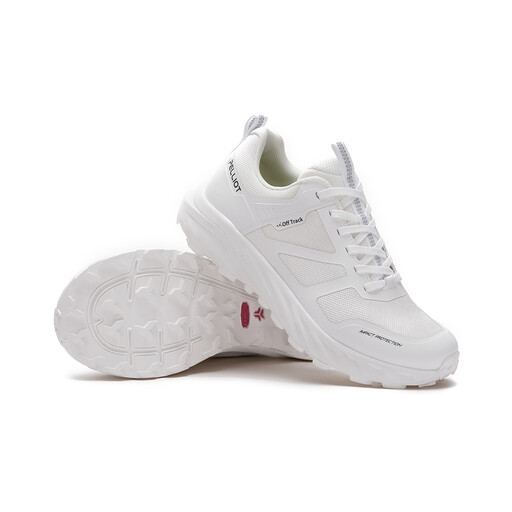
Why this product suits this profile: This model is for shoppers looking for a white unisex running shoe for city streets, casual runs and the occasional route over uneven ground.
The product details specify the materials, an EU size chart and a standard fit, rather than relying on appearance alone.
Sandwich mesh and fabric upper; EVA midsole; ROCKYTEC rubber outsole, according to the product details.
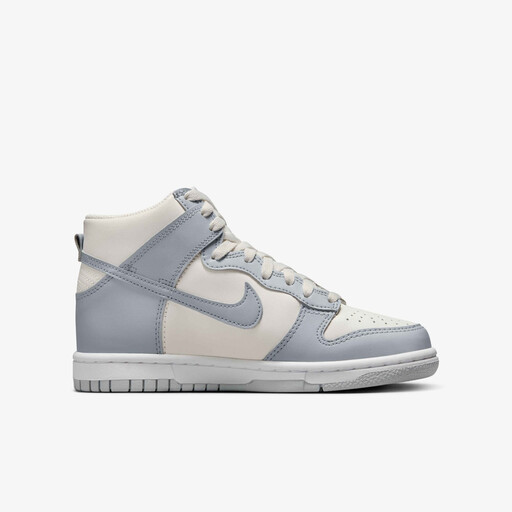
Why this product suits this profile: This high-top trainer is a good choice for style-conscious shoppers who prefer white trainers with a classic, basketball-inspired silhouette and a closed upper.
The details specify the natural leather upper, lace-up fastening and size range. This makes it easier to match your choice to how you plan to wear the shoes.
Natural leather upper; high-top profile; sizes from EU 35,5 to EU 40, according to the size chart.
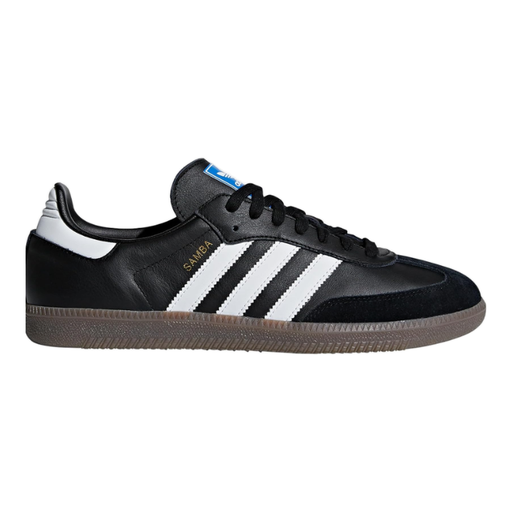
Why this product suits this profile: This low-profile trainer is designed for everyday wear and streetwear. It’s a good match for shoppers after a subtle silhouette with leather and suede details.
The product description makes the distinction between an everyday trainer and a running shoe clear. This reduces the risk of choosing a low-profile casual shoe for running training.
Low-profile construction; rubber sole; synthetic upper with leather sections and suede overlays, according to the product description.
How long shoes last depends on how often you wear them, the surfaces you walk or run on, your body weight, how you care for them and how you store them. An everyday trainer shouldn’t regularly be used as a running shoe on gravel or woodland paths. Conversely, a trail running shoe may feel unnecessarily stiff or heavily treaded in the office.
We’ve put together a complete, regularly updated list of products that meet these strict selection criteria and fully comply with the safety regulations in force in the EU.
For everyday wear and streetwear, choose trainers with a suitable fit, a supportive heel and an easy-care upper. However, low-profile styles such as the adidas Samba OG and high-tops such as the Nike Dunk High GS aren’t automatically designed for regular running training.
The shoe should hold your heel securely without squeezing it. Your toes shouldn’t touch the front of the shoe. As sizing varies between brands and models, measure your foot length in centimetres and compare it with the relevant size chart.
There’s no single replacement interval that applies to everyone. Look for visible tread wear, a misshapen midsole, a damaged upper or a change in how the shoes feel when you run. Shoes used frequently on tarmac tend to wear differently from those worn occasionally on woodland paths.