
Lieferung heute & morgen

Qualitätsgarantie

Willkommens-Angebote freischalten: KOSTENLOSE Lieferung | Bis zu 80 % RABATT | Kostenlose 30-Tage-JoyPlus-Testphase
App herunterladen
In a globally connected world, language barriers are a daily challenge in business, during travel, or when learning new languages. Translator earbuds promise a straightforward solution, but the market is flooded with models whose actual performance often falls short of their marketing promises. Before you make a purchasing decision, it's crucial to understand the most common pitfalls that can lead to disappointment.
As a Joybuy Product Recommendation Officer, I'll help you separate the wheat from the chaff. We'll highlight the critical features that truly matter and show you how to find a model that meets your specific needs.
Common Pitfalls When Buying Translator Earbuds:
To avoid a bad purchase, you should focus on objective technical features rather than exaggerated marketing claims. The following three parameters are crucial for the performance and utility of AI translator earbuds.
The quality of a translation is determined by three factors: the software (AI engine), the hardware (microphones), and the connection (Bluetooth). A real-time translator headphone should have the lowest possible delay (latency) to allow conversations to flow naturally. Look for models with multiple microphones and noise reduction algorithms (not to be confused with Active Noise Cancelling for the listener), as these more precisely isolate your voice from ambient noise. A stable Bluetooth headphone with translation function, ideally with a newer standard like Bluetooth 5.4, ensures reliable and fast data transfer to the smartphone running the translation app.
The design directly impacts the use case and comfort.
Almost all translator headphones only work in conjunction with a smartphone app. The quality, user-friendliness, and stability of this app are just as important as the headphones themselves. Before buying, check if the app is regularly updated and what permissions it requires. Battery life is another critical point. For a long workday or a trip, the earbuds themselves should last at least 5–7 hours. A charging case that provides several additional charges is essential for heavy users.
Here are some models tailored to specific user profiles that purposefully address the pitfalls mentioned.
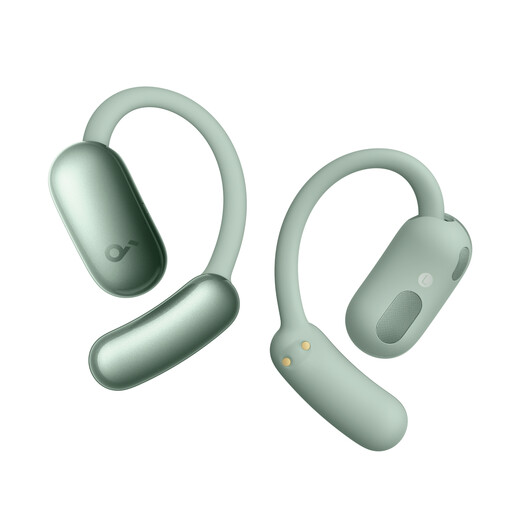
Why This Fits Their Persona: Ideal for long workdays and travel. The open-ear design allows you to hear ambient sounds like airport announcements, while the long battery life and microphones optimized for clear calls meet professional demands.
Addresses the pitfall of impractical design with adjustable ear hooks for pressure-free, all-day comfort. The four beamforming microphones with an AI algorithm counteract the problem of insufficient microphone quality.
Open-Ear Design: Full situational awareness. Long Battery Life: Up to 42 hours with the charging case. Clear Calls: AI-powered noise filtering for your voice.
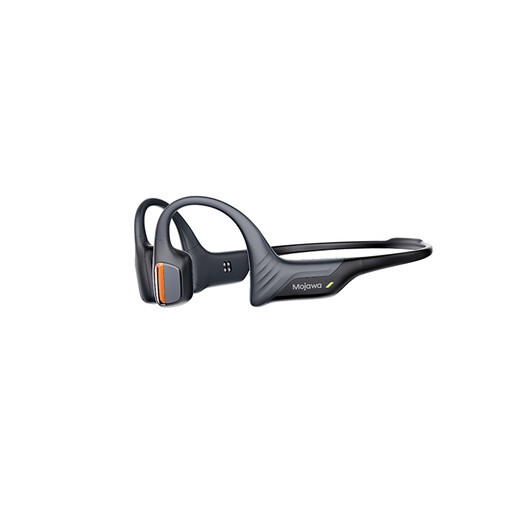
Why This Fits Their Persona: Designed for runners, cyclists, and gym-goers. The secure fit and IP67 water resistance make it robust enough for any workout. Bone conduction technology keeps the ears open to hear traffic or other ambient sounds.
Solves the problem of impractical design with a stable neckband that doesn't shift during intense movement. The IP67 certification ensures protection against sweat and rain, a common weak point in less robust models.
Bone Conduction Technology: Maximum safety with open ears. IP67 Water Resistance: Suitable for demanding workouts. Secure Fit: No slipping or falling out.
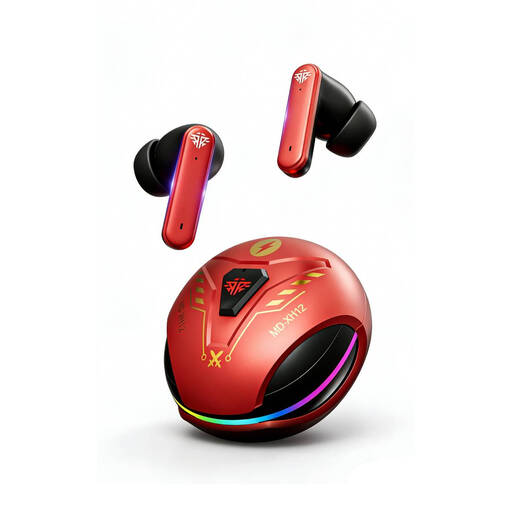
Why This Fits Their Persona: This model is aimed at users who need broad language coverage for learning purposes or occasional travel. The in-ear design helps them focus on the language in a library or café without being distracted by their surroundings.
Addresses the desire for broad language coverage by supporting around 150 languages via its companion app, according to the manufacturer. The functionality is clearly tied to the app, which correctly sets expectations about the hardware's standalone capabilities.
Extensive Language Support: Suitable for experimenting with many languages. In-Ear Design: Passive noise isolation for focused listening. Compact Charging Case: Easy to carry.
We have compiled a complete, real-time updated list of products that fully meet these strict selection criteria and German safety regulations.
A translator headphone captures spoken words via its microphones and sends the audio data via Bluetooth to a special app on your smartphone. The app processes the data using an AI-powered translation engine and sends the translation back to the headphone, where it is played back to you as audio. The entire process typically takes only a few seconds.
For most models and languages, an active internet connection (Wi-Fi or mobile data) is required, as the complex translation work takes place on powerful servers. A few premium models offer offline translations for a limited number of core languages, but their quality and scope are usually more limited than in online mode.
The main difference lies in the perception of your surroundings. In-ear models sit inside the ear canal and isolate you from external noise, making it easier to concentrate on the translated conversation. Open-ear models leave the ear canal unobstructed, so you can still hear your environment. This increases safety in traffic or while travelling and allows you to hold a conversation while listening for announcements.