
Lieferung heute & morgen

Qualitätsgarantie

Willkommens-Angebote freischalten: KOSTENLOSE Lieferung | Bis zu 80 % RABATT | Kostenlose 30-Tage-JoyPlus-Testphase
App herunterladen
The idea of effortlessly overcoming language barriers while travelling or in international business meetings is tempting. Translator earbuds, often called AI translator earbuds, promise just that: seamless, real-time communication. However, the market is flooded with devices whose marketing promises often fall short in practice. Before you make a purchase, it's crucial to understand the common pitfalls to avoid a bad investment.
As your Joybuy Product Recommendation Officer, I'm here to help you separate the wheat from the chaff. We'll look at the critical features that truly matter and bypass the exaggerated advertising claims.
Many users are disappointed after their purchase because the devices don't perform as expected. This is often due to three common problems that marketing materials conveniently omit.
To avoid these pitfalls, focus on the following objective criteria. These determine whether a language translator earbud is genuinely helpful for travel and business in everyday life.
The way the translation occurs is crucial. Most devices offer various modes suited for different situations:
Check which modes a device supports and whether they fit your intended use cases. The underlying technology is almost always a cloud-based AI, which makes a stable internet connection a prerequisite for high accuracy.
The number of supported languages is a common marketing point. A list of over 100 languages is impressive, but the quality of translation for the languages you actually need is far more important.
Also, pay attention to the Bluetooth version used. A modern standard like Bluetooth 5.3 or 5.4 ensures a more stable and energy-efficient connection to your smartphone. This reduces connection drops that can interrupt the translation process.
For use during travel or in long meetings, battery life is a critical factor. Consider both the runtime of the earbuds themselves (typically 4–7 hours) and the additional capacity of the charging case. A good charging case should be able to fully recharge the earbuds multiple times.
Comfort is also not to be overlooked. Models that become uncomfortable after a short time or fall out of the ear easily are impractical for daily use. In-ear designs offer good passive noise isolation, while ear-hook models provide a particularly secure fit during movement.
Based on the criteria above, we have identified a few models that represent a considered choice for specific user groups.
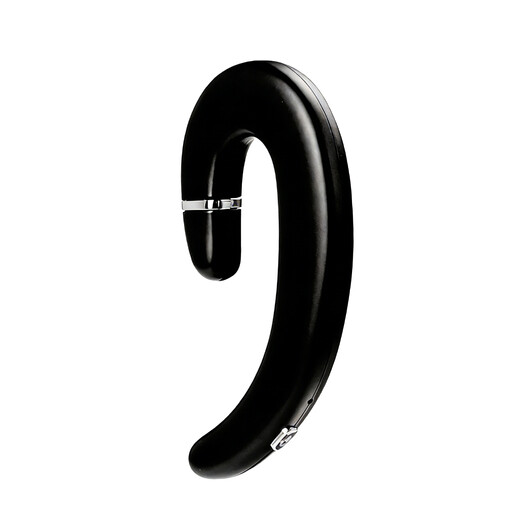
Why this model fits: The single-ear design is ideal for users who need a discreet device for quick translations or multilingual phone calls without completely isolating themselves from their surroundings. It's a pragmatic solution for specific use cases.
The device focuses on the core function of single-ear translation. This sets clear expectations and avoids the disappointment of expecting a full stereo music experience, which is not the focus here.
Supports approx. 130 languages according to the manufacturer. The ear-hook design ensures a stable fit. Operation is handled via touch controls.
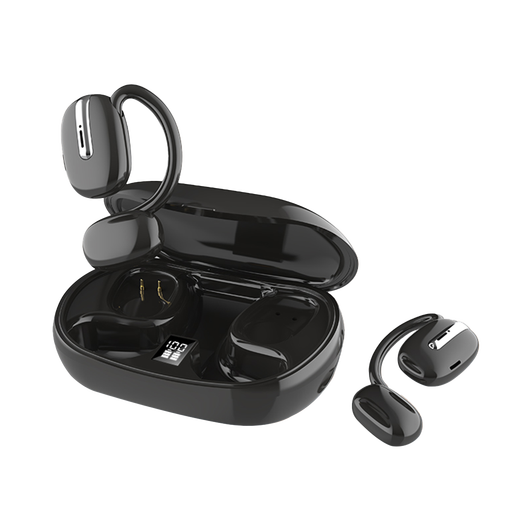
Why this model fits: The ear-hook provides a very secure fit, even during fast movements or long city tours. Ideal for travellers who need a reliable device that stays in place all day long.
It addresses the often-overlooked problem of a poor fit. Many in-ear models fall out easily with movement, severely limiting their usefulness while travelling. The V90's secure fit ensures consistently reliable use.
Supports approx. 150 languages according to the manufacturer. The battery life is approx. 5-7 hours per charge. The connection is via Bluetooth 5.4.
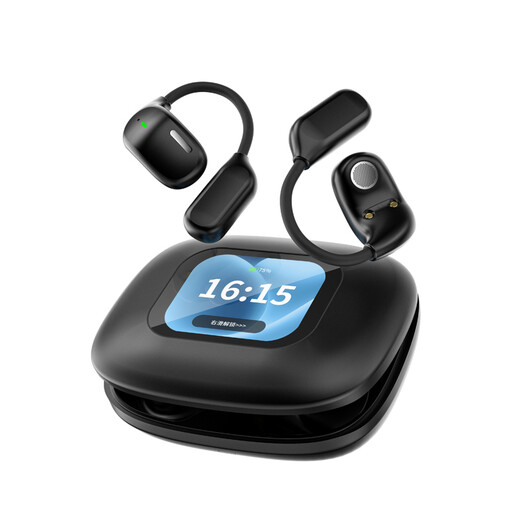
Why this model fits: As classic true wireless earbuds, they are a versatile companion. They are just as good for listening to music and making calls as they are for translations. Perfect for users who want a single device for all their audio needs.
This model avoids the "single-purpose gadget" pitfall. Instead of buying a separate device just for translation, users get a fully-fledged pair of everyday earbuds with a powerful extra feature, which justifies the investment.
Supports approx. 150 languages according to the manufacturer. The connection via Bluetooth 5.4 is state-of-the-art. The battery life of approx. 5-7 hours is sufficient for daily use.
We have compiled a complete, up-to-date list of products that fully meet these strict selection criteria and German safety regulations.
Do translator earbuds always need an internet connection? For the highest accuracy and full language support, yes. Most AI translation services run on cloud servers and therefore require an active internet connection (Wi-Fi or mobile data). Some models offer a limited offline mode for a few pre-downloaded languages, but the quality is generally not on par with online translation.
How accurate is the translation from AI translator earbuds? The accuracy depends heavily on several factors: the quality of the microphones, the stability of the internet connection, and the complexity of the conversation. With clear, slow speech and no strong background noise, modern devices can achieve high accuracy. With colloquialisms, dialects, or in noisy environments, precision decreases. It is an aid for understanding, not a perfect simultaneous translation.
Can I also listen to music and make calls with these earbuds? Yes, most models on the market are fully-fledged Bluetooth earbuds with translation features. You can pair them with your smartphone just like any other wireless earbuds to listen to music, play podcasts, or make calls. The translation function is typically activated via an accompanying app.