
Lieferung heute & morgen

Qualitätsgarantie

Willkommens-Angebote freischalten: KOSTENLOSE Lieferung | Bis zu 80 % RABATT | Kostenlose 30-Tage-JoyPlus-Testphase
App herunterladen
A transparent 2 mm PVC table protector is designed to keep the surface visible while protecting it from liquids, stains, scratches and everyday wear. For families with children, home-office workspaces, kitchens and dining rooms, a clear table protector can be a practical choice. Cafés, restaurants, schools and nurseries can also benefit from a washable surface.
However, table protectors vary in material thickness, edge finishing and the surfaces they are suitable for. A glossy protector will not automatically be suitable for every table. If you focus only on a low price or terms such as ‘heat-resistant’, you may end up buying a product that is not right for how you intend to use it.
A heat-resistant table protector is not automatically suitable for cookware taken directly from the hob or oven. Depending on the design, the products considered here are stated to withstand temperatures of up to 80 °C. This is typically sufficient for warm plates or mugs, but it does not replace a trivet. Naked flames and intense, concentrated heat can warp or damage PVC.
Air bubbles can form on glass, high-gloss lacquer or highly polished tabletops. Some transparent PVC table protectors may also stick to glossy surfaces. The relevant manufacturer’s instructions should therefore be checked before buying and before use. Models with an anti-slip texture are often easier to use on matt wood surfaces or worktops.
A rectangular table protector should be chosen not only according to the table size, but also according to the desired overhang. Many protectors are delivered rolled and need time to lie flat. Some WOLTU models specify a shrinkage tolerance of approximately 1 to 5 mm. A slight oversize may therefore be useful, provided the protector can subsequently be trimmed.
A thickness of 2 mm offers more substance than very thin plastic tablecloths. It can help protect the table from scratches, spilled liquids, paint marks and everyday wear. At the same time, the wood grain or colour remains visible through the transparent material.
It is important to distinguish between a decorative transparent tablecloth and a genuinely protective PVC sheet. A fabric tablecloth may be washable and water-repellent, but it does not provide the same firm, wipe-clean protective layer as a 2 mm PVC protector.
Before ordering, measure the length and width of the tabletop at several points. For irregularly shaped tables, a made-to-measure table protector or a model that can be trimmed may be a better fit. Many rectangular protectors can be adapted with a suitable sharp knife or a pair of scissors. A straight cutting surface is essential, and sharp tools must be stored safely out of children’s reach.
For smaller desks or kitchen tables, dimensions such as 70 × 120 cm, 80 × 120 cm or 90 × 140 cm may be sufficient. Large dining tables often require sizes such as 100 × 180 cm or 100 × 200 cm.
A waterproof table protector with a smooth surface can normally be cleaned with a soft, damp cloth and mild washing-up liquid. Abrasive sponges, harsh bleaches and sharp objects can affect its clarity or surface.
‘Washable’ does not mean that the protector is unaffected by every type of use. Liquids should be wiped up as soon as possible. Hot items should be placed on a trivet, even when the product is described as a heat-resistant table protector.
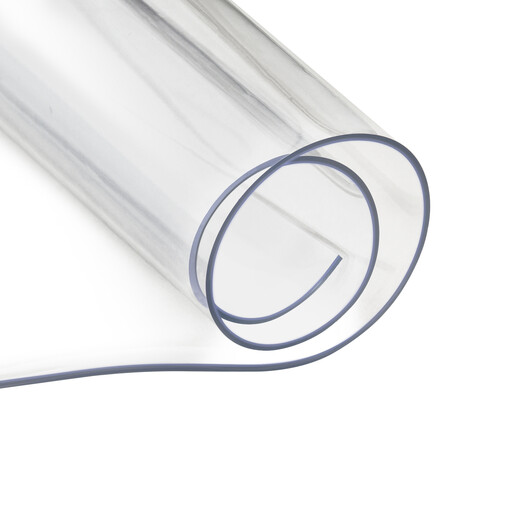
Why this product suits this profile: The rectangular format is suitable for many standard tables in the dining room, kitchen or home office. The protector can be placed directly on the table and adjusted if required.
The stated 2 mm thickness prevents it from being confused with a very thin protector or a simple decorative tablecloth. The manufacturer’s description also mentions water resistance and easy cleaning.
2 mm PVC, transparent design, rectangular 90 × 160 cm size and wipe-clean surface.
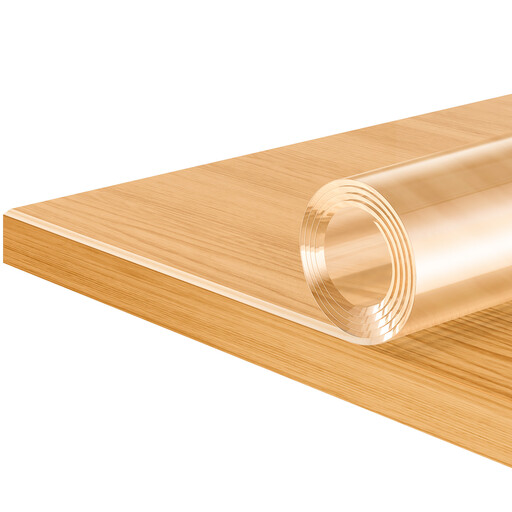
Why this product suits this profile: The 45-degree edge is ideal for dining areas where forearms often rest on the protector. The 80 × 140 cm format is suitable for smaller rectangular tables.
The bevelled edge reduces sharp transitions. The product description also mentions an anti-slip texture and a shrinkage tolerance of 1–5 mm.
2 mm PVC, a water- and dirt-repellent surface, plus a bevelled edge for more comfortable contact.
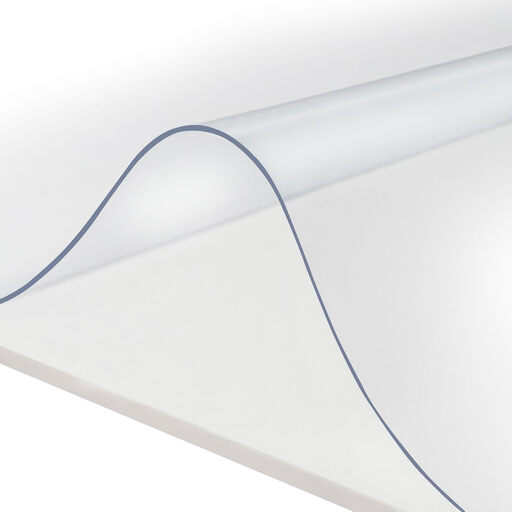
Why this product suits this profile: The protector is suitable for kitchen worktops, dining tables, desks and creative activities where liquids, grease or dyes may regularly come into contact with the surface.
The specifications state a material thickness of 2 mm, water and oil repellence, and suitability for warm items up to 80 °C. Hot pans, naked flames and high-gloss surfaces are nevertheless excluded.
Crystal-clear appearance, trimmable format and smooth surface for cleaning with a damp cloth.
We have put together a complete, regularly updated list of products that fully meet these strict selection criteria and the safety regulations applicable in the EU.
After unpacking, unroll the protector onto a clean, dry surface. Rolled products may initially show ripples. Depending on the product specifications, allowing 24 to 48 hours to settle or carefully weighing down the edges can help. A hairdryer should only be used if the manufacturer expressly recommends it, and then exclusively on a low-heat setting.
The following procedure is recommended for achieving a suitable fit:
For glass or high-gloss surfaces, follow the manufacturer’s warning. Placing a thin layer of fabric between the table and protector may reduce air bubbles with some models, but it will affect the fit and slip resistance.
This depends on the specific manufacturer’s instructions. Several of the models mentioned are rated for temperatures of up to 80 °C. Hot plates or mugs may fall within this range, but dishes taken directly from the hob or oven do not. A trivet remains the safer option.
Many models can be trimmed with sharp scissors or a suitable utility knife. The protector should lie flat, and the cutting line should be marked beforehand. Because shrinkage is possible, the product’s stated tolerance should be taken into account.
It is not possible to give a general service life. This depends on exposure to sunlight, cleaning products, mechanical stress and the operating temperature. Soft cloths, mild cleaning products and avoiding abrasive cleaners will help keep the surface clear and even for longer.