
Lieferung heute & morgen

Qualitätsgarantie

Willkommens-Angebote freischalten: KOSTENLOSE Lieferung | Bis zu 80 % RABATT | Kostenlose 30-Tage-JoyPlus-Testphase
App herunterladen
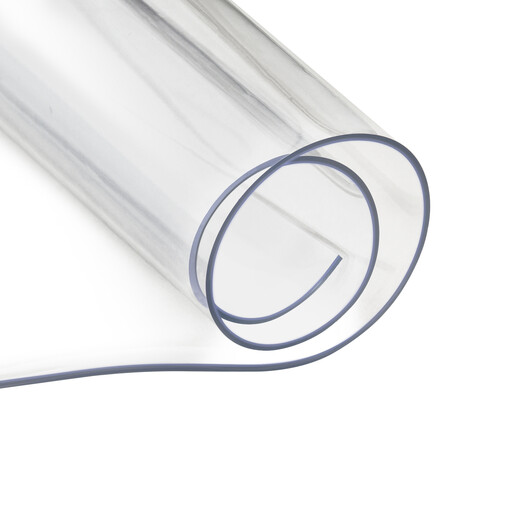
A transparent 2 mm PVC table protector should protect your table without hiding its surface. In British homes, it can be used on the dining table, desk or kitchen worktop. Cafés, schools, nurseries and offices also use wipe-clean table protectors when they need to remove spills, scratches and everyday dirt quickly.
Choosing one may seem straightforward at first. In practice, though, the wrong size, an unsuitable surface or unclear heat-resistance claims can easily lead to a disappointing purchase. Use the following criteria to compare PVC table covers with confidence.
Air bubbles can form between a table and its protector on glass, glossy lacquered surfaces or polished tabletops. A crystal-clear finish is therefore not guaranteed on every type of surface. For these materials, you may need to use a suitable thin layer of fabric as a barrier, if the manufacturer recommends it. A transparent table protector is usually easier to use on matt wood or plastic surfaces.
The thickness of the material mainly determines how robust and heavy the protector is. It does not mean that it can withstand any temperature. Some models state that they are heat-resistant up to 80 °C. Even so, do not put hot pots, pans or items straight from the oven directly onto the protector. Naked flames and intense heat can warp or damage PVC.
Table protectors are often delivered rolled up, so they may initially have ripples and need time to flatten. Some product listings also give a shrinkage tolerance of around 1 to 5 mm. If you need a made-to-measure table protector, measure the actual tabletop and check the fitting instructions before cutting it to size.
A 2 mm-thick PVC table protector provides a firm layer of protection against everyday scratches, stains, water, oil and wear. It is sturdier than a thin, flexible tablecloth and can also help dampen the sound of cutlery on the tabletop. Its robust construction is practical for families with children and for creative activities involving paint and pens.
However, thickness is no substitute for using the protector properly. Sharp objects can damage its surface, so even a scratch-resistant table protector should not be used as a chopping board.
Measure the length and width of your tabletop at several points. For a rectangular table, available sizes such as 70 × 120 cm, 80 × 120 cm, 90 × 160 cm or 100 × 200 cm are easy to compare. You may be able to carefully cut a protector to fit an unusual shape; check the instructions in the relevant product listing first.
The relevant WOLTU models of table protectors with bevelled edges have a 45° V-cut. This gives the edge a lower profile, which can feel more comfortable than a straight, thick edge when you rest your arms on the table. If you have young children at home, check that the protector sits securely and does not stick up at the sides.
In the product descriptions provided, calling a table protector waterproof and wipe-clean mainly means that its smooth surface can be cleaned with a damp cloth and will not immediately absorb spills. A soft cloth and water are suitable for cleaning; use mild soap if needed.
Scouring pads, harsh bleaches and sharp cleaning tools can affect the protector’s transparency. Depending on the model, a non-slip table protector may have a textured underside or naturally grip certain table surfaces. Glass and glossy surfaces may still require a different fitting method.
The models below mainly differ in size, edge design and stated features. Check the latest product details on the relevant listing before you buy.
Why this product suits you: Its compact size is ideal for smaller dining tables, kitchen areas or desks when you want basic transparent protection that takes up little space.
Its 2 mm thickness is clearly stated, and the protector is described as waterproof, heat-resistant, wipe-clean and non-slip. Check the temperature limit before using it with hot dishes or cookware.
Transparent 2 mm PVC, stated heat resistance up to 80 °C and easy cleaning with a damp cloth.

Why this product suits you: Its 45° edge and crystal-clear finish will appeal if you want a low-profile edge and a discreet cover for your dining table.
The edge is specifically described as a 45° V-cut. So rather than relying on a vague claim such as ‘comfortable’, the listing gives you a design feature you can check.
2 mm-thick PVC, a water- and grease-resistant surface, a textured underside and a bevelled edge.
Why this product suits you: Its larger size is designed for longer dining tables, desks, buffet surfaces or work areas that see regular use.
The product details give the dimensions, thickness, water-resistant properties and cleaning instructions. They also explicitly warn against naked flames and high temperatures.
90 × 160 cm, 2 mm thick, transparent surface and easy cleaning without installation or fixings.
We’ve put together a complete, regularly updated list of products that meet these strict selection criteria and fully comply with the safety regulations in force in the EU.
Follow the instructions for the specific product particularly carefully when using it on glass or glossy surfaces. The protector should also be kept away from naked flames, heat sources and prolonged exposure to strong sunlight.
It depends on the specific product details. Some models state that they are heat-resistant up to 80 °C. Even so, do not put hot pots, pans or items straight from the oven on the protector. A trivet will reduce direct heat exposure.
First, measure the tabletop and the overhang you want. Then unroll the protector, leave it to relax and mark the cutting line. Use a straight edge and a sharp cutting tool to trim it to size. Allow for any stated shrinkage tolerance when measuring.
It is not possible to give a reliable lifespan without knowing how heavily it will be used, the type of tabletop, how it is cleaned and how much sunlight it receives. With proper use, gentle cleaning and protection from sharp objects, the protector may last longer in everyday use. Visible scratches, warping or a permanently cloudy surface are signs that it may need replacing.