
Lieferung heute & morgen

Qualitätsgarantie

Willkommens-Angebote freischalten: KOSTENLOSE Lieferung | Bis zu 80 % RABATT | Kostenlose 30-Tage-JoyPlus-Testphase
App herunterladen
A transparent 2 mm table cover can protect wooden, kitchen or desk tables from scratches, stains, water and everyday wear without completely hiding the surface. For households with children, offices, cafés and frequently used dining tables, a transparent PVC table cover is therefore a practical alternative to a traditional tablecloth.
However, table protectors differ in terms of material, edge shape, dimensions and usage instructions. A glossy surface alone says little about how practical a cover is for everyday use. If you focus only on the price or advertising terms such as “crystal clear”, you may end up buying a cover that does not suit your table or proves impractical in daily use.
A rectangular table cover should not simply be ordered based on the approximate size of the table. The actual dimensions of the tabletop are what matter. Depending on the model, a cover may lie flush with the edge or overhang slightly. An overhang that is too large can get in the way at the edges, while a table protector that is too small leaves vulnerable areas exposed.
Cut-to-size PVC covers may also have a slight dimensional variation. For example, the WOLTU model specifies a shrinkage tolerance of 1 to 5 mm. If you need a precise fit, you should check the tabletop dimensions at several points.
Some models are marketed as heat-resistant table covers. The Laneetal and WOLTU covers featured here are stated to withstand temperatures of up to 80 °C. According to the manufacturers, this makes them suitable for warm plates or coffee cups. However, hot pots, pans, baking trays and naked flames should never be placed directly on PVC.
Always check the specific temperature rating on the relevant product page. “Heat-resistant” does not mean that the cover is unaffected by every source of heat.
Transparent PVC covers can sit well on wood, matt surfaces or suitable worktops. On glass and high-gloss finishes, however, air bubbles, adhesion marks or visual changes may occur. Several of the products mentioned specifically state that they are not recommended for glossy surfaces.
You should therefore check the nature of your table before buying. For valuable or delicate surfaces, it is advisable to carry out a small compatibility test in an inconspicuous area.
A PVC table protector with a 2 mm thickness offers more substance than very thin covers. It can shield the surface from everyday scratches, spilled liquids, oil and dirt. The material can also help dampen the sound of cutlery on the tabletop.
Transparency is important if you want the grain or colour of the table to remain visible. A crystal-clear finish is particularly appealing for high-quality wooden surfaces, but it does not replace checking whether the cover is suitable for the surface.
A waterproof table cover with a smooth, non-porous surface can generally be cleaned with a damp cloth. For grease, ink or dried-on food residue, mild soapy water can be used where this is permitted in the care instructions. Scouring pads and harsh cleaning products can scratch or dull the transparent surface.
If you are looking for a washable table cover for family homes, craft areas or workspaces, check for stated abrasion resistance and the permitted cleaning method. “Scratch-resistant” is not a uniformly protected measurement, so specific material details and usage instructions are more important than sweeping advertising claims.
Bevelled edges can be more comfortable on a frequently used table cover than a sharply cut edge. The WOLTU versions feature a 45° V-shaped edge, designed to make resting your arms more comfortable and reduce the risk of unpleasant contact with the edges. An anti-slip texture can also help keep the cover in position on suitable table surfaces.
Delivered covers are often rolled up. After unrolling, it can take 24 to 48 hours for the material to become completely flat. Heavy books placed along the edges or following the manufacturer’s recommended procedure can help. A hairdryer should only be used if permitted by the product instructions.

Why this product suits this profile: The rectangular format is suitable for smaller dining tables, kitchen tables or desks, offering an accessible introduction to table protection.
The 2 mm thickness, waterproof surface and guidance regarding glass and high-gloss surfaces make this a more verifiable choice than relying on size alone.
2 mm PVC, 45° bevelled edge, transparent finish and damp cleaning with a cloth.
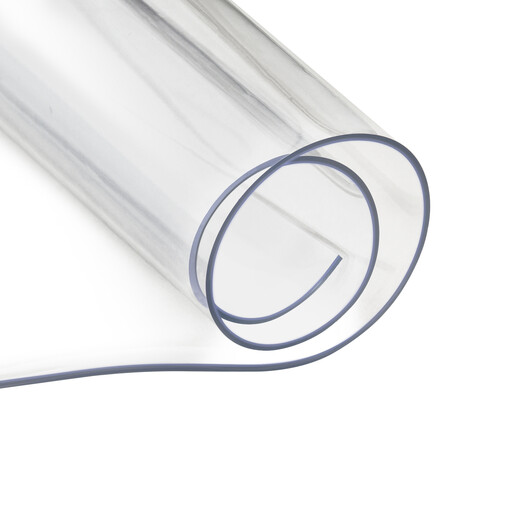
Why this product suits this profile: The large surface area is ideal for long dining tables, worktops or tables used in commercial settings.
The stated heat resistance of up to 80 °C is clearly put into context: suitable for warm items, but not for very hot pots or naked flames.
100 × 180 cm, 2 mm-thick PVC, water-repellent surface and, according to the product description, can be cut to size.
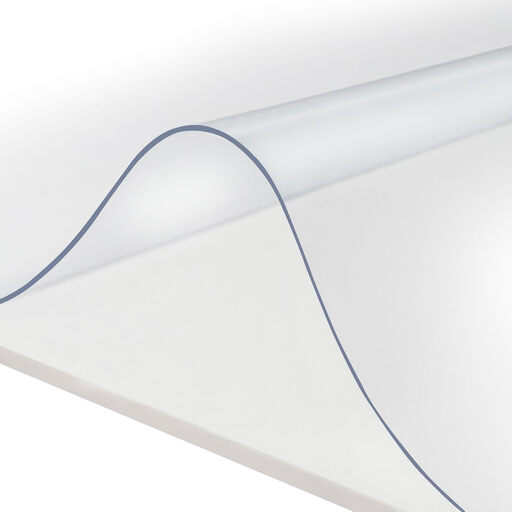
Why this product suits this profile: A robust solution for families, craft areas, kitchen worktops and desks used regularly.
The textured underside is designed for wooden and matt surfaces. The warning against use on glass and high-gloss surfaces should be observed.
2 mm PVC, stated temperature resistance of up to 80 °C, waterproof surface and cleaning with mild soapy water.
A PVC table protector is not a substitute for a heat-insulating mat. On delicate wooden tables, spills should be removed as soon as possible to prevent liquid from penetrating at the edges or through existing gaps.
We have put together a complete, regularly updated list of products that fully meet these strict selection criteria and the safety regulations applicable in the EU.
Yes, many models are designed for wooden and matt surfaces. The tabletop should be clean, dry and free from dust. For varnished, very glossy or delicate surfaces, always follow the relevant manufacturer’s instructions.
Its service life depends on the level of use, cleaning, exposure to sunlight and how it is handled around sharp or hot items. A 2 mm cover is designed for everyday protection, but can be damaged by abrasive cleaners, knives or intense heat. Regular cleaning with mild products helps preserve the surface.
Some models state that they can be cut without fraying or curling. Before cutting, check the product information, the desired final dimensions and the orientation. For a straight cut, use a stable base, a long ruler and a suitable cutting tool.