
Lieferung heute & morgen

Qualitätsgarantie

Willkommens-Angebote freischalten: KOSTENLOSE Lieferung | Bis zu 80 % RABATT | Kostenlose 30-Tage-JoyPlus-Testphase
App herunterladen
A transparent 2 mm PVC table cover protects table surfaces without completely concealing their colour or wood grain. For families, offices, schools, nurseries, restaurants and kitchens, a table protection cover can make everyday exposure to water, grease, marker pens and scratches easier to manage.
However, products vary in terms of material, edge finishing, heat resistance and fit. A polished product description alone says little about whether the cover will be practical for your own table. The following criteria will help you avoid common purchasing mistakes.
PVC covers can provide a sealed, wipe-clean surface that keeps liquids and grease away from the tabletop. This does not mean that the cover is suitable for hot pots, baking trays or open flames.
Some of the models featured specify heat resistance up to 80°C. This figure refers to the respective product description and should not be interpreted as approval for direct contact with heat sources. Always follow manufacturer instructions such as “do not use near open flames or intense heat”.
A rectangular table cover should not be selected solely according to the table’s width. Also check:
Some PVC table covers are delivered rolled up. After unpacking, they may initially have slight waves. The material can flatten after being left to rest; placing heavy objects along the edges can help support this process. For some WOLTU models, a shrinkage tolerance of approximately 1 to 5 mm is specified.
On wood, matt decorative panels and many standard work surfaces, a non-slip table protector can sit securely in place. For glass, high-gloss lacquer and highly polished surfaces, however, the product information warns of possible air bubbles or areas of adhesion.
If you are looking for a table protector for a glass tabletop, read the relevant manufacturer’s instructions carefully. For example, with the WOLTU model featuring a bevelled edge, it is recommended to place a cloth between the table and the cover on glass or polished surfaces.
A 2 mm PVC table cover is significantly more shape-stable than very thin films. It can therefore protect the table against scratches, stains and everyday signs of wear. The material can also help dampen the sound of cutlery on the tabletop.
Thickness alone, however, does not guarantee unlimited durability. Sharp objects, abrasive cleaning products and moving heavy items across the surface can damage the cover. A scratch-resistant table cover should therefore always be combined with careful use and suitable cleaning methods.
A smooth, non-porous surface can usually be cleaned with a damp cloth during everyday use. For kitchens, family homes, desks and creative work areas, specifications such as waterproof, grease-repellent, washable and abrasion-resistant are particularly relevant.
Look for specific manufacturer information rather than general advertising claims. The WOLTU table protectors are described as protecting against water, oil and dirt, while also being cleanable with a damp cloth. Avoid scouring pads and harsh cleaning agents on transparent covers, as they can leave the surface looking matt or visibly scratched.
A straight, sharp-looking edge can feel uncomfortable when sitting at the table. WOLTU offers several 2 mm models with a 45° bevelled edge. This design is particularly appealing to people who spend a lot of time at the table and rest their forearms on the edge.
For nurseries, schools and homes with children, remove any loose packaging components and ensure that the cover is laid flat and securely. A PVC protector does not replace proper supervision or a professional assessment of the table’s construction.
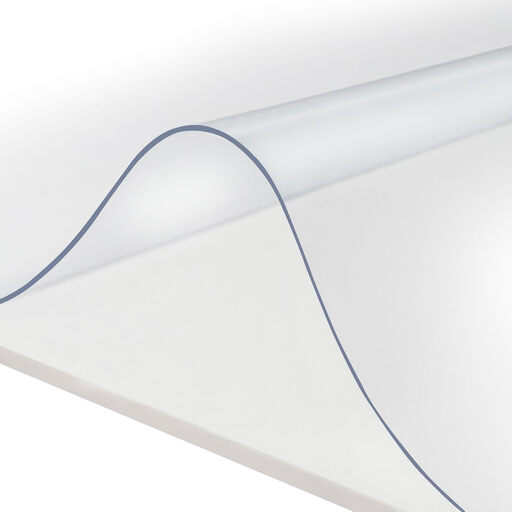
Why it is a good fit: The rectangular size is suitable for smaller dining tables, desks or craft areas in homes with children.
The product details specify 2 mm PVC, a transparent design, a water-repellent surface and heat resistance up to 80°C. Open flames must nevertheless be avoided.
Transparent appearance, wipe-clean surface and natural grip on wooden or matt surfaces.

Why it is a good fit: For dining rooms and kitchens where a crystal-clear appearance, comfortable edges and easy care are priorities.
The 45° edge softens the impression of a sharp edge. For glass and high-gloss surfaces, follow the guidance regarding air bubbles and intermediate layers.
Waterproof, smooth surface; according to the product description, grease- and abrasion-resistant, with a non-slip texture.
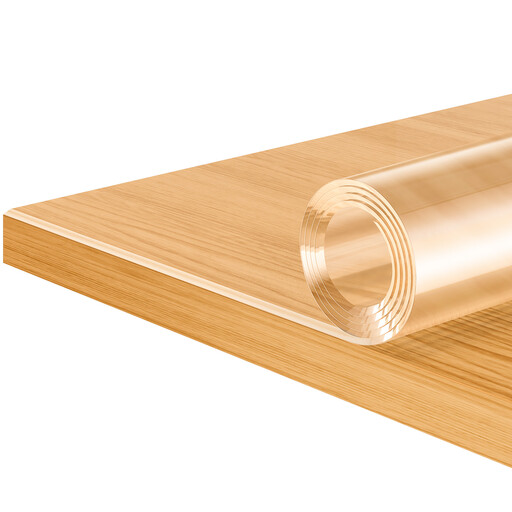
Why it is a good fit: The larger rectangular cover is designed for long dining tables, conference tables, buffets or shared work surfaces.
Before purchasing, take the length, width and possible shrinkage of 1 to 3 mm into account. The cover is not intended for use near open flames.
2 mm PVC, transparent surface, non-slip texture and easy cleaning with a damp cloth.
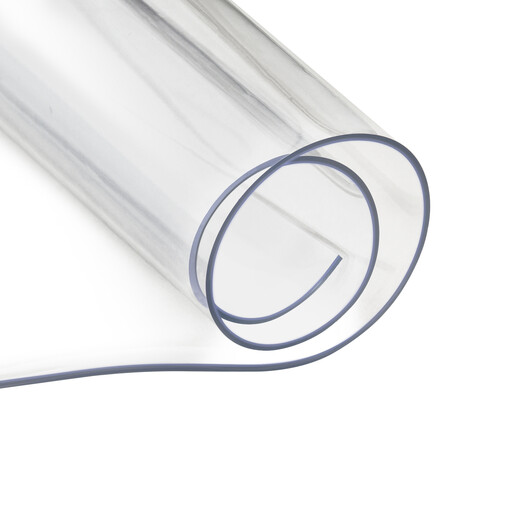
Why it is a good fit: For workplaces, schools, nurseries or catering areas where liquids and everyday spills are common.
The specified heat resistance up to 80°C should be distinguished from use near direct flames or intense heat. Glossy surfaces and glass require particular care.
According to the product description, waterproof, washable, odour-neutral and intended for both private and commercial use.
Our complete selection includes various sizes and designs for dining tables, work surfaces and other areas of use. Before purchasing, check the specific material, dimensions and care information for the item in question.
After unrolling, place the table cover on a level surface. Depending on the product, allowing it to rest for 24 to 48 hours may be advisable. Heavy books placed along the edges can help flatten it. A hairdryer should only be used carefully and from a safe distance, and only if this is consistent with the manufacturer’s instructions.
For everyday cleaning, a soft cloth with mild soapy water is usually sufficient. Avoid abrasive cleaners, stiff brushes and sharp blades. If the cover becomes permanently cloudy, develops cracks, becomes deformed or no longer lies flat, replacement is advisable. Without information on usage intensity, UV exposure and care, it is not possible to give a reliable fixed service life.
That depends on the specific model. Some products state that they are heat-resistant up to 80°C. This specification should not be applied to hot pots, baking trays or open flames. At higher temperatures, use a suitable trivet as an additional precaution.
Some models can be trimmed without the edges fraying. Measure carefully beforehand, mark the cutting line and use a suitable sharp cutting tool. If the cover already has bevelled edges, trimming may alter the original edge profile.
Lay the rolled-up cover flat on the table and allow it to acclimatise. Heavy objects placed along the edges can help flatten it. Do not forcefully crease or fold the cover, as this can create visible lines in the PVC.