
Lieferung heute & morgen

Qualitätsgarantie

Willkommens-Angebote freischalten: KOSTENLOSE Lieferung | Bis zu 80 % RABATT | Kostenlose 30-Tage-JoyPlus-Testphase
App herunterladen
A 2 mm transparent PVC tablecloth is designed to keep the surface visible while protecting it from scratches, liquids, stains and everyday wear. For families, owners of delicate dining tables, offices and hospitality venues, it’s a practical alternative to a traditional fabric cloth.
However, product descriptions don’t always use terms such as “heat-resistant”, “non-slip” or “easy-care” consistently. If you only look at the price or an attractive product photo, you could end up with a sheet that bubbles on your table, slides about, or isn’t suitable for hot items. The following criteria will help you choose objectively.
A textile, wipe-clean tablecloth with a lotus effect may cause liquids to bead up at first. But the material is still a fabric. Over time or with larger amounts, moisture can permeate the surface.
A PVC sheet, by contrast, has a closed, non-absorbent surface. As a waterproof tablecloth, it’s suitable for spilled drinks, oil or damp craft materials. Even so, you should wipe away liquids promptly so they don’t run under the sheet at the edges.
The term heat-resistant table cover is vague without a temperature limit. The product information we’ve reviewed cites resistance up to 80 °C for certain models. That may be fine for warm plates or coffee cups, but it’s not a green light for hot pots, baking dishes or pans.
Open flames and very high temperatures can warp or damage PVC. Always use a suitable trivet for cookware straight from the oven, and follow the guidance for each specific product.
On wood, matt lacquer or textured surfaces, a scratch-resistant table protector with a grippy underside can sit firmly. On glass and high-gloss finishes, however, air bubbles, adhesion marks or visual changes can occur.
For such surfaces, several product descriptions recommend placing a thin cloth between the table and the sheet. It will alter the look, but it can reduce bubbling. A transparent PVC table cover therefore isn’t equally suitable for every table.
PVC is low-maintenance, impermeable to water and easy to clean with a damp cloth. A thickness of 2 mm offers more body and stability than very thin films. That helps the protector absorb scratches, stains and minor everyday knocks.
Thickness alone doesn’t tell the whole story. Also look for:
Measure your tabletop in several places. For a rectangular PVC table cover, length and width should match the actual surface. Some models can be trimmed to size. It’s wise to allow a little leeway, as product details may cite possible shrinkage of around 1 to 5 mm depending on the model.
When delivered rolled, the sheet may not lie completely flat at first. Leave it unrolled to settle and, if needed, weigh down the edges with suitable objects. A hairdryer should only be used if this is explicitly stated in the product instructions.
A smooth, stain-repellent tablecloth made from PVC can usually be cleaned with a soft cloth and mild soapy water. Avoid scouring pads, harsh cleaners and sharp objects, as they can scratch the clear surface.
Wipe-clean properties are especially handy for families with children. In offices, schools or hospitality settings, a robust, transparent cover can cut down cleaning time after meals or creative sessions. The sheet is no substitute for regular cleaning, and the edges should be wiped down too.
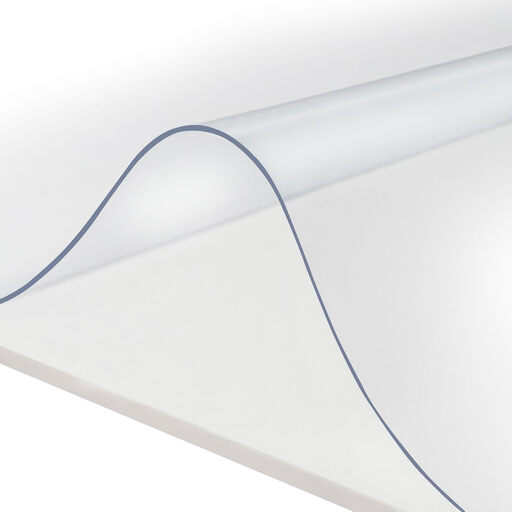
Why this product fits the profile: The rectangular size suits smaller kitchen, dining or work tables. According to the description, the sheet is 2 mm thick, transparent, waterproof and rated for temperatures up to 80 °C.
A specific thickness and temperature rating are more meaningful than vague marketing claims. It also notes limited suitability for glass and high-gloss surfaces.
2 mm PVC, wipe-clean surface, waterproof design and dimensions suited to compact tables.
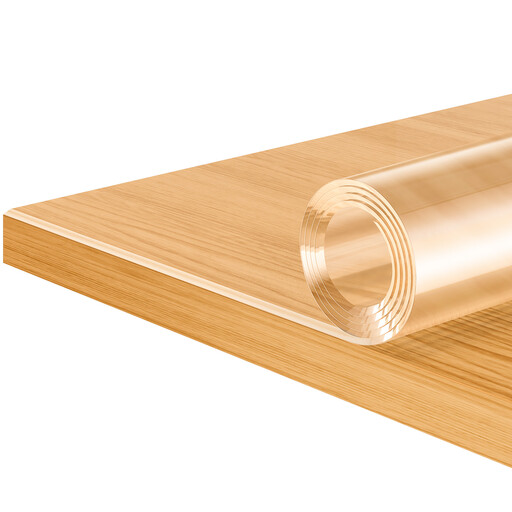
Why this product fits the profile: The large cover is designed for longer dining tables, buffets or expansive worktops. Features listed include a bevelled edge and an anti-slip texture.
The edge finish softens hard, straight edges at the table side. For glass or polished surfaces a cloth as an intermediate layer is explicitly recommended.
100 × 200 cm, 2 mm PVC, waterproof and grease-repellent surface, plus bevelled edges.
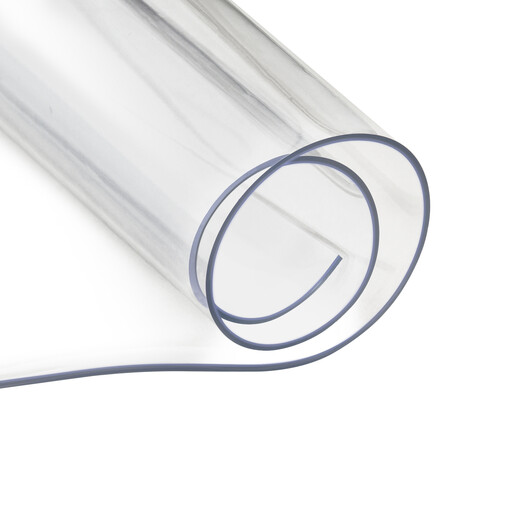
Why this product fits the profile: This size suits dining tables, desks, cafés, schools or care settings. According to the description, the sheet is heat-resistant up to 80 °C and can be trimmed if required.
The stated temperature limit prevents “heat-resistant” from being meaningless. The description also flags possible air bubbles on glossy surfaces.
100 × 180 cm, cut-to-size PVC sheet, waterproof surface and wipe-down cleaning with a damp cloth.
We’ve compiled a complete, regularly updated list of products that fully meet these strict selection criteria and the safety regulations in force in the EU.
Yes, but the dimensions and surface characteristics must suit your tabletop. For a transparent table protector on wood or matt surfaces, 2 mm PVC and a suitably sized rectangle are often practical. On glass or high-gloss surfaces, air bubbles may form; in this case follow the manufacturer’s guidance.
Service life depends on sunlight exposure, cleaning, temperature and mechanical stress. Sharp objects, abrasives and sustained heat can damage the surface more quickly. A precise lifespan can’t be quoted responsibly without knowing your individual usage.
Many models can be cut to size if the product description allows. Measure the tabletop carefully and allow for possible dimensional tolerances or slight shrinkage. For valuable tables, it’s advisable to make a test cut in an inconspicuous area.