
Lieferung heute & morgen

Qualitätsgarantie

Willkommens-Angebote freischalten: KOSTENLOSE Lieferung | Bis zu 80 % RABATT | Kostenlose 30-Tage-JoyPlus-Testphase
App herunterladen
A high-end table is often the centrepiece of the home—whether it's the solid wood dining table where the family gathers or the desk in the home office. But scratches, stains from spilled drinks, or the marks of everyday use can quickly spoil the enjoyment. A transparent table protector seems like the ideal solution to preserve the surface without obscuring its appearance.
However, the purchase often leads to disappointment. Many products don't live up to their promises. As your Joybuy Product Recommendation Officer, I'll help you avoid the common pitfalls and make an informed decision.
Before you invest, you should be aware of the problems that frequently occur with low-quality products. This is how you avoid a bad purchase.
To make the right choice, focus on a few, but crucial, technical features. These determine the durability and functionality of your table cover.
Thickness is the most important indicator of protective performance. A 2 mm table protector provides a robust buffer against impacts, scratches, and pressure marks. It lies flat and stable on the table due to its own weight, without slipping. It also dampens the noise created by setting down dishes and glasses. Thinner films do not offer this added value.
This is a critical point. A protector for a wooden table with a matte or oiled surface benefits from a crystal-clear film, as it keeps the grain visible and adheres well. However, such a film is unsuitable for high-gloss or glass surfaces. For these, there are special, single-sided matte films that prevent the formation of air bubbles. Always check the suitability for your specific table surface before purchasing.
A good table cover is heat-resistant, but within a defined range. Most PVC films can withstand temperatures up to approx. 80°C. This is sufficient for warm plates or a coffee cup, but not for hot pots straight from the stove. A trivet is still required here. Also, ensure that the film functions as a waterproof tablecloth and is a washable table protector. A smooth, non-porous surface can be effortlessly cleaned of liquids, grease, or paint residue with a damp cloth.
Here are some recommendations tailored to different user profiles that take the aforementioned quality criteria into account.
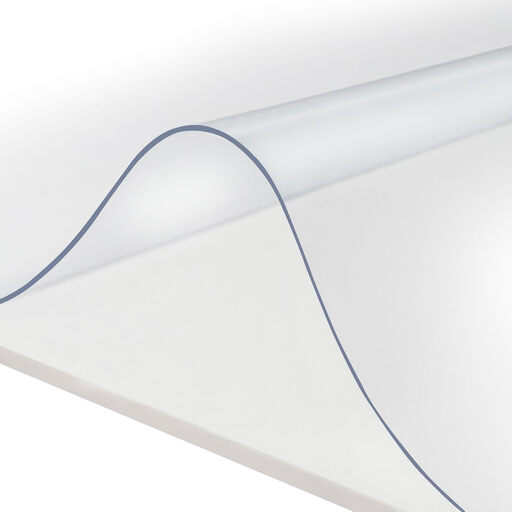
Why This Fits Their Persona: Ideal for the hustle and bustle of family life. This protector reliably shields the dining table from spilled juices, paint stains from crafting, and scratches from toys, without compromising the table's appearance.
The robust 2 mm thickness prevents wrinkling and provides real protection against impacts, unlike thin, ineffective films.
Completely waterproof and washable, which makes cleaning up after meals or craft sessions extremely simple. Offers a balanced ratio of protection, durability, and price.
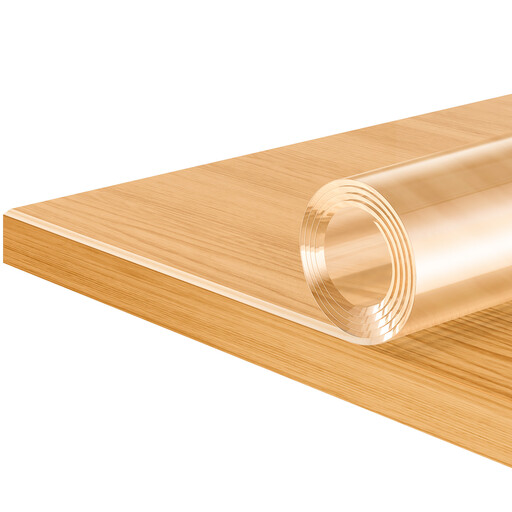
Why This Fits Their Persona: Anyone who owns an expensive solid wood table wants to preserve its aesthetic. This protector offers invisible protection and a premium finish that does justice to the value of the furniture.
The crystal-clear film is designed for wood and matte surfaces, thus bypassing the air bubble trap that occurs on high-gloss tables.
The 45° bevelled edge (V-cut) ensures a smooth transition, increases comfort for the arms, and minimises the risk of injury from sharp edges. This gives the cover a more refined look.
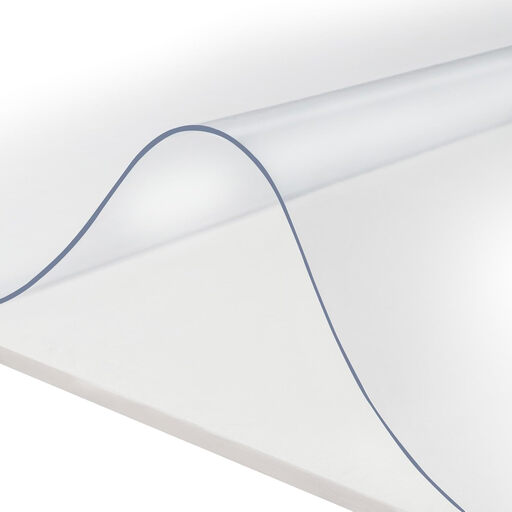
Why This Fits Their Persona: The compact size is ideal for desks. It protects the work surface from scratches caused by laptops, keyboards, and mice, as well as from coffee or ink stains. It also serves as a durable surface for crafting with glue or paints.
The PVC material used is formulated to minimise the initial plastic smell, which dissipates quickly—a crucial advantage over cheap products in a workspace.
High durability and an extremely easy-to-clean surface. The film can be easily cut to a custom size with sharp scissors or a utility knife if needed.
We have compiled a complete, up-to-date list of products that fully meet these strict selection criteria and quality standards.
1. How do I get the table protector flat after unrolling it? Since the protectors are delivered rolled up, they need some time to flatten out. Lay the protector on the table and weigh down the corners and edges with heavy books for 24–48 hours. Alternatively, you can gently warm the protector with a hairdryer on a low setting to speed up the process.
2. Can I use a transparent table protector on a glass or high-gloss table? It is not recommended. On these smooth, non-porous surfaces, adhesion creates air pockets that look like wet spots. For such tables, you should choose a single-sided matte or frosted protector specifically designed to prevent this effect.
3. How heat-resistant is a PVC table cover really? Most PVC protectors are heat-resistant up to a temperature of approx. 60°C to 80°C. This means they can withstand warm plates, cups, or laptops. However, never place hot pots, pans, or baking dishes directly from the stove or oven onto the protector, as this can cause permanent warping or damage. Always use a suitable trivet for this purpose.