
Lieferung heute & morgen

Qualitätsgarantie

Willkommens-Angebote freischalten: KOSTENLOSE Lieferung | Bis zu 80 % RABATT | Kostenlose 30-Tage-JoyPlus-Testphase
App herunterladen
A high-quality table is often the centrepiece of the home—a place for shared meals, homework, or social evenings. Protecting it from scratches, stains, and daily wear and tear without hiding its beauty is a common challenge. A transparent table protector seems like the ideal solution. However, the market is flooded with products that fail to deliver on their promises.
Many buyers discover that their new protector becomes unusable after just a short time. Before you make a decision, you should be aware of the three most common pitfalls that lead to disappointment and unnecessary expense:
A thoughtful selection based on objective criteria will help you bypass these issues and find a durable, functional solution.
To avoid a bad buy, don't be swayed by marketing promises. Instead, focus on verifiable product features. Three factors are particularly relevant.
The thickness of the protector is a direct indicator of its protective function and durability. While thinner variants may be cheaper, they often provide insufficient protection.
The right choice of protector depends heavily on your table's surface. A crystal-clear, glossy transparent PVC tablecloth beautifully showcases the grain of wooden tables. However, on high-gloss or glass tables, the same protector can lead to the aforementioned air bubbles.
A good table protector should make daily life easier, not harder. Its maintenance properties are therefore a key criterion.
Based on these criteria, we have curated a selection of products for various user profiles.
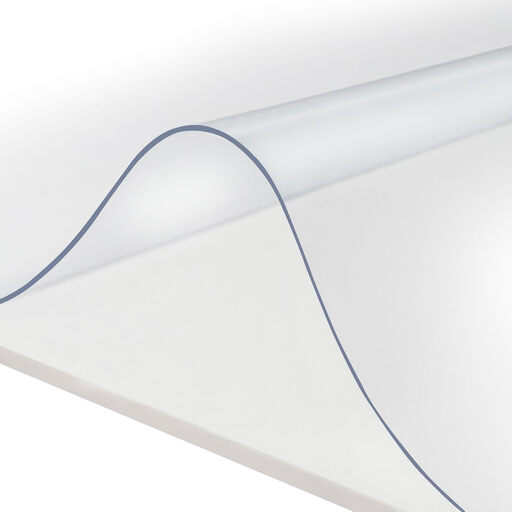
Why This Fits Their Persona: Ideal for families seeking a robust and low-maintenance solution for the dining or kitchen table. The protector reliably shields against spilled drinks, paint stains, or scratches from toys.
The 2 mm material thickness ensures high resilience and durability, unlike thin films that quickly tear or warp.
Heat-resistant up to 80°C according to the manufacturer, allowing warm plates to be placed on it without issue. The non-slip texture ensures it stays securely in place.
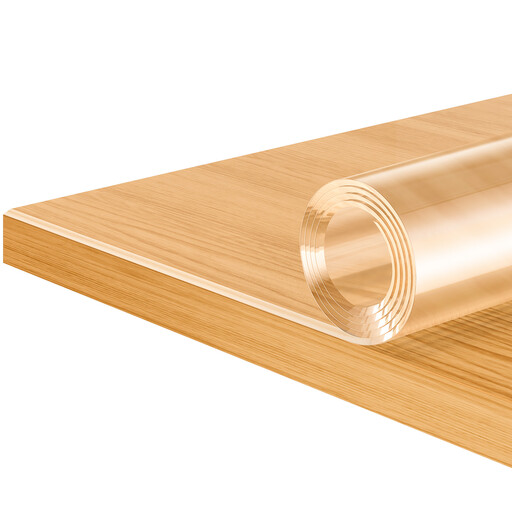
Why This Fits Their Persona: For owners of solid wood or designer tables who want to preserve their furniture's value and aesthetic. The crystal-clear protector shields the surface without obscuring the wood grain.
The bevelled 45° V-cut edge is a premium detail that eliminates sharp edges and provides a more pleasant tactile experience. The material is engineered for clarity to counteract yellowing.
The combination of 2 mm thickness and the polished edge offers both robust protection and an appealing, unobtrusive look. The protector is water- and grease-repellent.
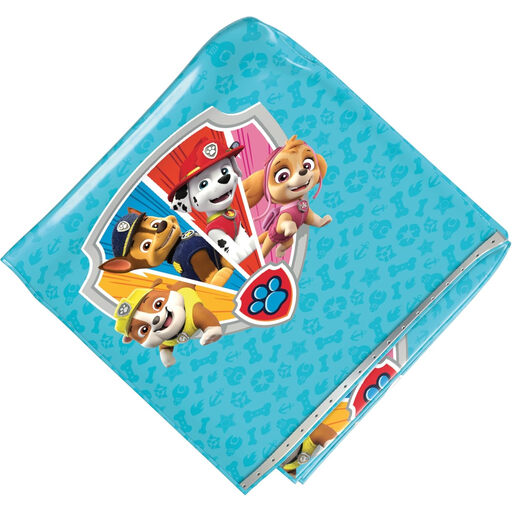
Why This Fits Their Persona: Perfect for organising celebrations, especially as a children's birthday tablecloth. It combines decoration with practical protection from cake crumbs and spilled juice.
Designed for short-term use, it bypasses long-term durability issues like yellowing. The focus is on functionality and aesthetics for the event.
The wipe-clean plastic film is easy to handle and can be simply cleaned or disposed of after the party, significantly simplifying cleanup.
We have compiled a complete, real-time list of products that fully satisfy these strict selection criteria and UK safety regulations.
Most PVC protectors are delivered rolled to avoid creases. To flatten it, unroll the protector on the table and let it sit for 24 to 48 hours at room temperature. The material will acclimate on its own. To speed up the process, you can place heavy books on the corners. Gently warming it with a hairdryer on a low setting can also help the protector flatten more quickly.
Direct contact between a glossy PVC protector and a high-gloss or glass surface can create trapped air pockets that look like bubbles. To prevent this, you should choose a protector with a slightly matte finish. Another option is to place a very thin fabric tablecloth between the table and the protector.
Cleaning is straightforward. Use a soft, damp cloth, with a little mild washing-up liquid if necessary. Then, wipe the surface dry. Be sure to avoid using abrasive cleaners, brushes, or scouring pads, as these can damage the transparent surface and cause it to become dull.