
Lieferung heute & morgen

Qualitätsgarantie

Willkommens-Angebote freischalten: KOSTENLOSE Lieferung | Bis zu 80 % RABATT | Kostenlose 30-Tage-JoyPlus-Testphase
App herunterladen
A high-quality table is often the centrepiece of a home—whether it's the solid wood dining table where the family gathers or the desk in the home office. But daily use leaves its mark: scratches, stains from spills, or unsightly rings from hot mugs. A transparent table protector seems like the ideal solution to shield the surface without obscuring its aesthetic.
However, the choice is not as simple as it seems. Many buyers invest in a protector only to be disappointed by unsightly air bubbles, rapid yellowing, or an unpleasant odour. As your Joybuy Product Recommendation Officer, I'll help you avoid these pitfalls and make an informed decision.
Before you make a purchase, you should be aware of the typical problems that can arise with low-quality products:
transparent table protector is placed on a glass top or a high-gloss lacquered table. This happens because the smooth film adheres to the smooth surface, making the tiniest air pockets visible.transparent PVC tablecloth may initially have a slight inherent smell. With low-quality products, however, this odour does not dissipate even after days and can indicate the presence of harmful plasticisers in the material.To avoid disappointment, focus on a few crucial technical features. These determine the durability and functionality of your table protector.
The thickness is a direct indicator of protective performance and longevity. A material thickness of 2 mm has established itself as a reliable standard. Such a protector is heavy enough to lie flat on the table without slipping. It provides a solid barrier against scratches from cutlery, impacts from falling objects, and pressure from writing. Thinner protectors (e.g., under 1.5 mm) often only offer protection from liquids and are more susceptible to damage and warping. A robust transparent table protector with a 2 mm thickness is therefore a worthwhile investment for heavily used surfaces.
This is the most critical point for avoiding the "air bubble trap" mentioned above.
dining table protector is ideal here. The micro-imperfections of the table surface prevent the formation of air pockets, and the protector is virtually invisible.A good washable table protector should make daily life easier. Pay attention to two essential properties:
waterproof table cover. Liquids like coffee, juice, or wine bead up on the surface and can be wiped away without a trace with a damp cloth.heat-resistant tablecloths. Check the specific details here. A typical heat resistance of up to 80°C protects the table from warm plates, mugs, or laptops. However, it is not designed for placing hot pots or pans directly from the stove. A separate trivet is still required for this.Instead of making a one-size-fits-all recommendation, we have identified products tailored to specific use cases.

Why This Fits Their Persona: Ideal for the heavily used dining table in households with children. The generous size and robust material effectively protect against craft paints, spilled drinks, and scratches without hiding the wood grain.
With a solid thickness of 2 mm, this product avoids the trap of thin, unstable protectors. It is designed for matte and wooden surfaces, which minimises the risk of air bubbles.
The combination of high transparency and complete waterproofness makes cleaning effortless and preserves the table's appearance. Its heat resistance offers protection from warm plates.
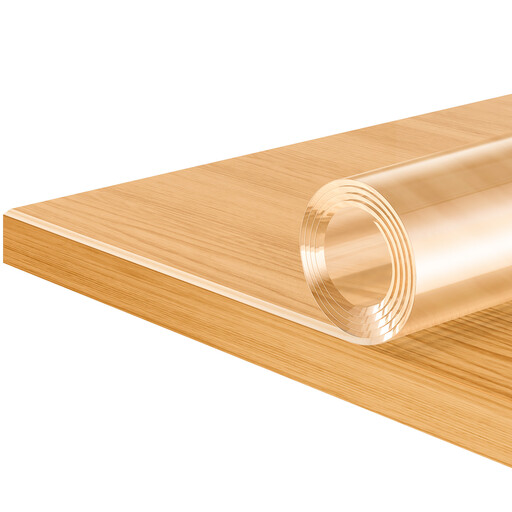
Why This Fits Their Persona: Perfect for desks where you work for many hours. The bevelled edge prevents uncomfortable pressure marks on the forearms and ensures greater comfort during daily work.
This model addresses an often-overlooked problem: comfort. While other protectors have sharp edges, the 45° V-cut offers a thoughtful, ergonomic solution.
The main advantage is the noticeably higher comfort from the bevelled edge. At the same time, the 2 mm thick PVC film provides full protection against scratches and wear.
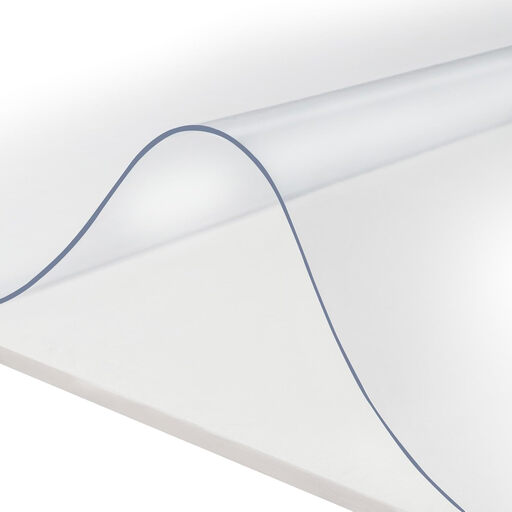
Why This Fits Their Persona: A practical and straightforward solution for side tables, small desks, or kitchen counters. It offers reliable protection in a compact space without stretching the budget.
Even with smaller dimensions, there's no compromise on quality here. The protector maintains the recommended thickness of 2 mm, making it significantly more robust than many alternatives in this size.
Offers the full protection of a heavy-duty protector in a format optimised for smaller pieces of furniture. High transparency and water resistance are also standard features.
We have compiled a complete, up-to-date list of products that fully meet these strict selection criteria and UK safety regulations.
Since the protectors are delivered rolled up for protection, they need some time to flatten out completely. Place the protector on the table and let it sit for 24 to 48 hours at room temperature. To speed up the process, you can place heavy books on the corners or gently warm the protector with a hairdryer on a low setting.
Yes, this is very likely if you use a standard, smooth transparent protector. The smooth surfaces adhere to each other and trap air. For high-gloss, glass, or lacquered tables, you should specifically look for a protector with a slightly frosted underside to prevent this effect.
Yes, but within defined limits. Most high-quality PVC protectors offer heat resistance up to 80°C. This is sufficient for hot plates, mugs, or the heat from a laptop. However, it does not mean you can place a pot directly from the stove on it. Temperatures above 80°C can permanently deform or damage the material. Always use an additional trivet for very hot items.