
Lieferung heute & morgen

Qualitätsgarantie

Willkommens-Angebote freischalten: KOSTENLOSE Lieferung | Bis zu 80 % RABATT | Kostenlose 30-Tage-JoyPlus-Testphase
App herunterladen
A high-quality table is often the centerpiece of the home—a place for shared meals, homework, or creative projects. Protecting it from scratches, stains, and daily wear and tear without compromising its aesthetic is a common challenge. A transparent table protector seems like the ideal solution. However, not every product delivers on its promise. Certain flaws can quickly make the protector unsightly or even damage the table underneath.
As your Joybuy Product Recommendation Officer, I'll help you identify the crucial features and avoid common purchasing pitfalls.
The 3 Most Common Problems with Transparent Table Protectors:
transparent table film often adheres directly to high-gloss lacquer, glass, or polished stone tables, trapping unsightly air bubbles that are nearly impossible to remove.To find a durable and functional protective film for tables, you should carefully examine three technical properties.
The thickness of the film is the most critical factor for its protective performance and durability.
The finish of your table surface determines which type of film is suitable.
transparent tablecloth. The microscopic imperfections on the table's surface prevent full adhesion, thus avoiding the formation of air bubbles.A good wipeable PVC tablecloth makes daily life much easier. Look for the following features:
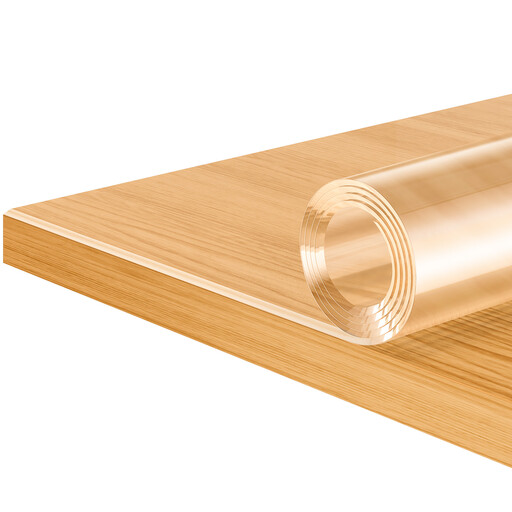
Why it's a good fit: In a busy household, durability and safety are crucial. This film combines a protective thickness with a thoughtful safety feature for everyday use.
The 2 mm material thickness provides solid protection against impacts and scratches, unlike thin, easily torn films. The beveled edges (45° V-cut) also reduce the risk of injury from sharp corners.
The combination of robust thickness and the beveled safety edge makes it ideal for dining tables where children are present.
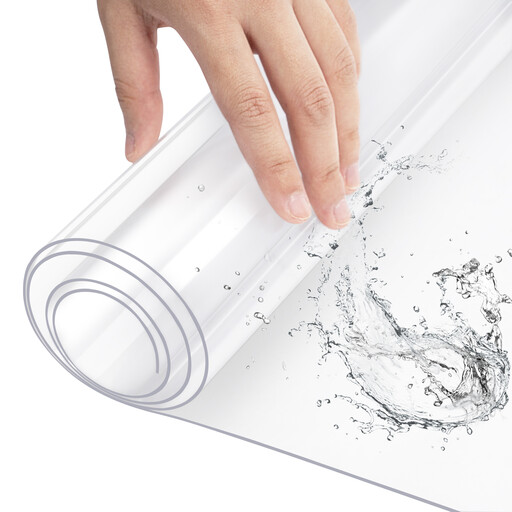
Why it's a good fit: For users seeking basic yet reliable protection for less frequently used tables while keeping an eye on the budget, this model is a pragmatic choice.
Although it's thinner, the 1 mm thickness offers adequate protection from liquids and light scratches, setting it apart from paper-thin, disposable films. It is designed as durable basic protection.
Excellent value for money for a waterproof and wipeable protector that preserves the table's appearance. According to the manufacturer, the material also contains recycled content.
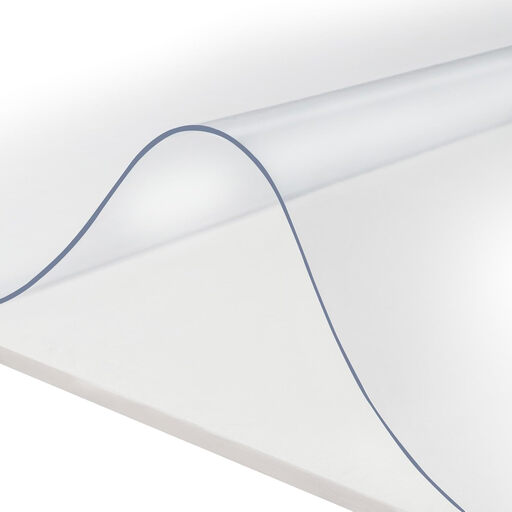
Why it's a good fit: If you own a valuable wooden or designer table, you don't want to compromise on protection. This model focuses on maximum resilience and material quality.
The high material density and 2 mm thickness give it substantial weight, ensuring the film lies perfectly flat. The manufacturer also accounts for a tolerance for material shrinkage to prevent fit issues.
Offers robust protection for heavily used surfaces like dining tables or worktops. Its high transparency preserves the view of the table's natural grain.
We have compiled a complete, up-to-date list of products that fully meet these strict selection criteria and rigorous safety standards.
1. How do I get a rolled-up table protector to lie flat? After unpacking, lay the film on the table with the curled side facing down. Weigh down the corners and edges with heavy books for 24 to 48 hours. Alternatively, you can roll it in the opposite direction or gently warm it with a hairdryer on a low setting to help it flatten more quickly.
2. Can I cut a table protector to size myself? Yes, most PVC films can be cut. Use a sharp utility knife and a long ruler or metal straightedge as a guide. It is recommended to let the film acclimate for a few days, allowing it to settle and potentially shrink slightly, before making the final cut.
3. Why are there bubbles under my transparent table cover? This issue occurs almost exclusively on very smooth, non-porous surfaces like glass or high-gloss lacquer. The smooth film adheres directly to the smooth table surface, trapping small air pockets. To prevent this, you should either use a one-sided matte film designed specifically for this purpose or, as some manufacturers recommend, place a very thin fabric tablecloth underneath.