
Lieferung heute & morgen

Qualitätsgarantie

Willkommens-Angebote freischalten: KOSTENLOSE Lieferung | Bis zu 80 % RABATT | Kostenlose 30-Tage-JoyPlus-Testphase
App herunterladen
A high-quality table is often the centerpiece of the home—a place for shared meals, homework, or social evenings. Protecting it from scratches, stains, and daily wear and tear is therefore an understandable concern. A transparent table protector seems like the ideal solution to preserve the beauty of the tabletop while keeping it safe. However, the market is flooded with products whose quality differences are barely noticeable at first glance.
As your Joybuy Product Recommendation Officer, I'm here to help you navigate the common pitfalls and make an informed decision. Certain product features are often over-hyped in advertising, while crucial disadvantages remain hidden.
The 3 Most Common Mistakes When Buying Table Protectors:
To avoid a bad purchase, you should focus on objective and verifiable criteria. These three factors are crucial for the functionality and longevity of your table protector.
The thickness of the protector is not just a marketing gimmick but a key quality indicator.
The texture of the table's surface is critical for the final result. Standard, smooth PVC protectors adhere to other smooth surfaces (adhesion), which leads to the aforementioned bubble formation.
A high-quality transparent PVC tablecloth is characterized by its clean finish. Look for products made from low-odor PVC. A slight smell immediately after unrolling is normal and should dissipate within 24-48 hours. However, a strong chemical odor that lasts for weeks is a sign of inferior material.
Some models also offer a beveled edge (45° V-cut). This is not just a visual detail but significantly increases comfort, as forearms can rest comfortably on the edge without feeling a sharp cut. Designing a waterproof table pad to be this comfortable is a sign of thoughtful product design.
Here are some recommendations tailored to different user profiles that meet the quality criteria mentioned above.

Why This Fits Their Persona: Ideal for protecting desks, craft tables, or less frequently used side tables. It provides solid baseline protection from scratches and liquids without breaking the bank.
At 1 mm thick, this protector is significantly more robust than ultra-thin, cheap products. The manufacturer also explicitly states that it is not suitable for high-gloss surfaces, thereby preventing the "bubble trap."
Cost-effective protection for surfaces with normal usage. The protector is flexible and can be easily trimmed to size as a custom-cut table protector if needed.
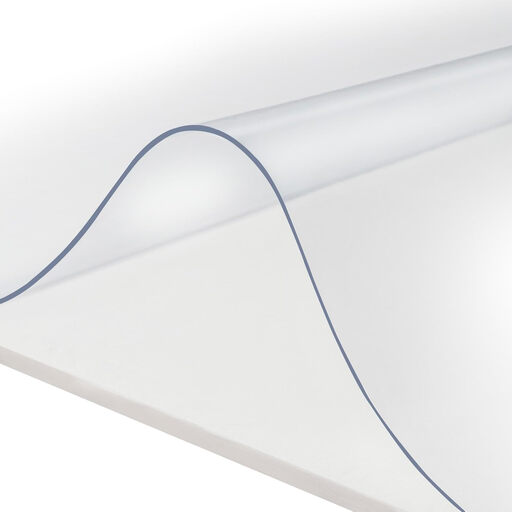
Why This Fits Their Persona: Perfect for the hustle and bustle of family life. This protector withstands spilled drinks, craft paints, and the daily wear and tear of the dining table, and it cleans up effortlessly.
The robust 2 mm material thickness provides genuine, long-lasting protection and avoids the disappointment of a film that is too thin and quickly damaged. It's an investment in preserving the table's value.
High durability and an easy-to-clean, wipeable surface. According to the manufacturer, the protector is heat-resistant up to 80°C, making it suitable for warm plates and cups.
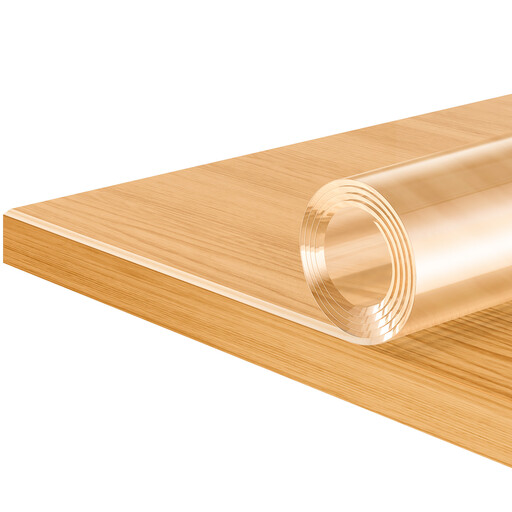
Why This Fits Their Persona: For anyone who wants to combine maximum protection with a premium look and feel. The beveled edge elevates the product and ensures a comfortable user experience.
This model combines the robust 2 mm thickness with a thoughtful detail: the 45° V-cut edge prevents the unpleasant feeling of a sharp edge, an often-overlooked drawback of thick protectors.
Enhanced comfort and a more aesthetically pleasing look. The combination of crystal-clear protection and the soft edge makes it the ideal cover for high-quality wooden dining tables.
We have compiled a complete, up-to-date list of products that fully meet these strict selection criteria and safety regulations.
1. How do I get the table protector to lie flat after unrolling? Since the protectors are rolled for transport, they need some time to flatten out. Unroll the protector and place it on the table. Weigh down the corners and edges with heavy books for 24-48 hours. Alternatively, you can speed up the process by warming the protector with a hairdryer on a low setting and from a distance while smoothing it out.
2. Can I place hot pots directly on the PVC tablecloth? No. Most PVC protectors are heat-resistant up to about 80°C (176°F), according to manufacturers. This is sufficient for warm plates, cups, or laptops. A pot coming directly from the stove will far exceed this temperature and would permanently damage the protector. Always use a separate trivet or placemat for hot pots and pans.
3. Why are bubbles forming under my transparent table protector? This phenomenon occurs when a smooth, transparent protector is placed on another perfectly smooth, non-porous surface like glass, high-gloss lacquer, or polished marble. The protector creates a seal and traps small amounts of air, which leads to bubbles. For such surfaces, you should use a specially designed, one-sided matte protector or follow the manufacturer's advice to place a thin fabric cloth underneath.