
Lieferung heute & morgen

Qualitätsgarantie

Willkommens-Angebote freischalten: KOSTENLOSE Lieferung | Bis zu 80 % RABATT | Kostenlose 30-Tage-JoyPlus-Testphase
App herunterladen
A high-quality table is often the centerpiece of the home—whether it's the dining table for shared meals, the desk in your home office, or the kitchen countertop. Protecting it from scratches, stains, and everyday wear and tear makes perfect sense. A Transparent Table Protector seems like the ideal solution to preserve the beauty of your tabletop while keeping it safe.
However, the selection process has its pitfalls, which can easily lead to a bad purchase. Many protectors don't live up to their promises, causing more trouble than they're worth. As your Joybuy Product Recommendation Officer, I'll help you identify the key features to look for and make an informed decision.
Before you make a purchase, you should be aware of the three most common issues found in low-quality products:
A good PVC tablecloth or protector is defined by its ability to avoid these exact problems.
To avoid making the wrong choice, focus on objective, measurable criteria. These three parameters are crucial for the durability and functionality of your protector.
The thickness of the film is one of the most important indicators of its quality and protective capabilities.
Many products are advertised as a heat-resistant table cover. However, this term is relative. Most high-quality PVC films offer heat resistance of up to 80°C (176°F).
The crystal-clear look doesn't work equally well on every surface. The problem of air bubbles occurs when two perfectly smooth, non-porous surfaces meet, making trapped air visible.
Instead of a one-size-fits-all recommendation, we have identified products tailored to specific use cases.
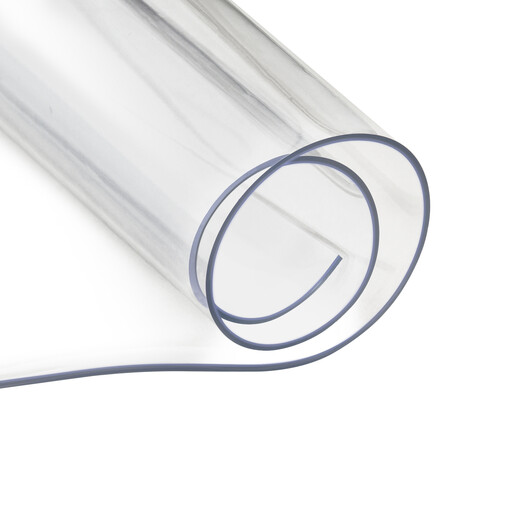
Why This Fits Their Persona: Families need a solution that is robust, easy to clean, and large enough for the dining table. This protector combines a durable surface with a size suitable for standard dining tables, making it the ideal washable table cover.
The 2 mm thickness prevents the rapid wear and warping common with thinner films. It offers solid protection against crayons, spilled drinks, and cutlery.
Waterproof and easy to clean with a damp cloth. The heat resistance is sufficient for everyday meals.
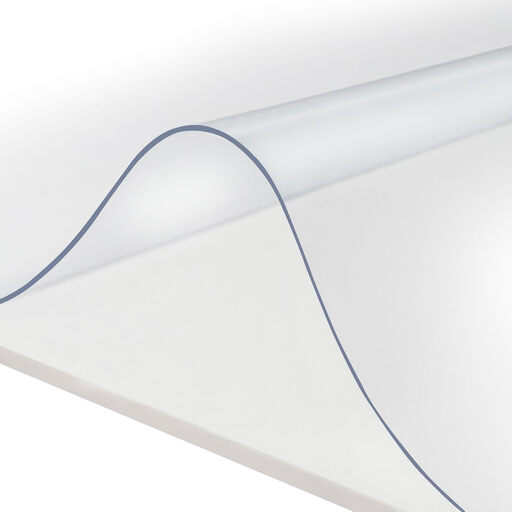
Why This Fits Their Persona: Anyone with a high-quality wooden desk wants to see its grain while protecting the surface from coffee mugs and scratches. This model is sized for desks and offers discreet protection.
According to the manufacturer, the PVC material is low-odor and highly transparent, avoiding the pitfalls of unpleasant smells and visual distortion.
The non-slip property ensures stability on wood surfaces. The 2 mm thickness provides a good writing surface and protects against pressure marks.
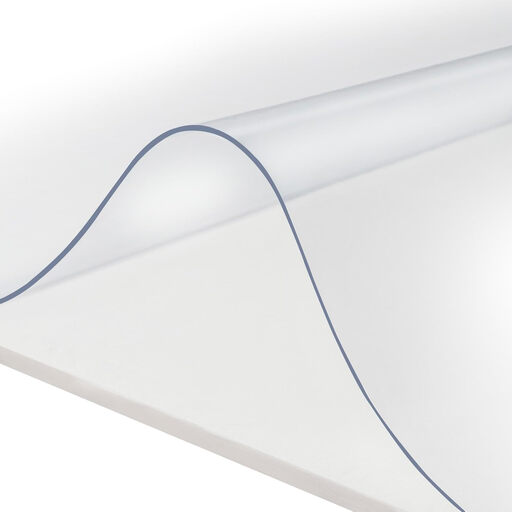
Why This Fits Their Persona: Large dining tables used daily by multiple people require a large-format and especially durable cover. This model covers even bigger tables and withstands intensive use.
Thanks to its own weight and 2 mm thickness, this protector lies very flat, avoiding the issue of curling edges that occurs with lighter films on large surfaces.
The combination of large dimensions and robust 2 mm quality offers durable, full-surface protection for the main dining table in the household.
We have compiled a complete, up-to-date list of products that fully meet these strict selection criteria and German safety regulations.
Since the protectors are delivered rolled, they need some time to flatten out completely. Unroll the film and place it on the table. Weigh down the corners with heavy books for 24–48 hours. Alternatively, you can gently warm the film with a hairdryer on a low setting to speed up the process.
Yes, creating a custom-cut table film is easy to do yourself. Place the protector on a cut-resistant surface, use a long ruler or straightedge, and cut the material slowly with even pressure using a sharp utility knife.
This phenomenon occurs because air gets trapped between the film and the table on perfectly smooth, non-porous surfaces (like glass or high-gloss lacquer). The film adheres directly to the surface in spots, which appears as a bubble or a wet patch. For such tables, transparent protectors are not always suitable. A better alternative would be a film with a slightly matted surface.