
Lieferung heute & morgen

Qualitätsgarantie

Willkommens-Angebote freischalten: KOSTENLOSE Lieferung | Bis zu 80 % RABATT | Kostenlose 30-Tage-JoyPlus-Testphase
App herunterladen
A transparent table protector seems like a simple solution: it shields valuable surfaces from scratches, stains, and wear without hiding your furniture's design. However, the selection is wider than you might think, and several common product flaws can quickly lead to disappointment. Many buyers get frustrated with unsightly air bubbles, a low-quality feel, or a cover that simply won't lie flat on the table.
As your Joybuy Product Recommendation Officer, I'm here to help you navigate these common pitfalls. Instead of relying on marketing promises, we'll focus on the crucial product features to ensure you find a durable and functional solution for your dining table, desk, or worktop.
Before you make a decision, you should be aware of the three most common issues that can render a table protector useless.
To avoid a bad purchase, you should base your choice on a few, but decisive, technical specifications. These features determine the protector's functionality and longevity.
The thickness of the film is a direct measure of its protective capability and stability.
**Table Cover 2mm**: This is the most common and recommended thickness for most applications. It provides robust protection against daily wear and tear, lies flat on the table due to its own weight, and has a premium feel. It's thick enough to absorb impacts yet flexible enough for easy handling.The most important rule is: match the film to your table surface.
A high-quality PVC table protector is distinguished by several features. Look for products made from low-odour PVC. A good clear, wipeable tablecloth is also waterproof, oil-repellent, and easy to clean—stains from coffee, wine, or pens can be easily wiped away with a damp cloth. Many films also offer heat resistance up to 80°C, which is sufficient for hot plates and cups. However, a separate trivet is still required for hot pots or pans. For a perfect fit, some suppliers also offer a custom-cut table cover or deliver oversized products that can be trimmed to size yourself.
Here are some product recommendations tailored to specific use cases and the quality criteria mentioned above.
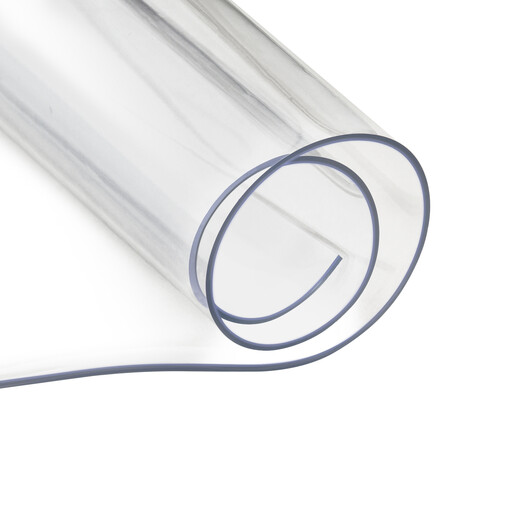
Why This Fits Their Persona: Ideal for a heavy-use dining table in a household with children. The film reliably protects against spilled drinks, paint, and scratches from cutlery without hiding the table's wood grain.
With a thickness of 2 mm, this product avoids the pitfall of films that are too thin and inadequately protective. Its weight ensures it lies flat and offers genuine resistance to daily wear and tear.
Robust and durable; waterproof and heat-resistant up to 80°C; very easy to clean due to its smooth surface.
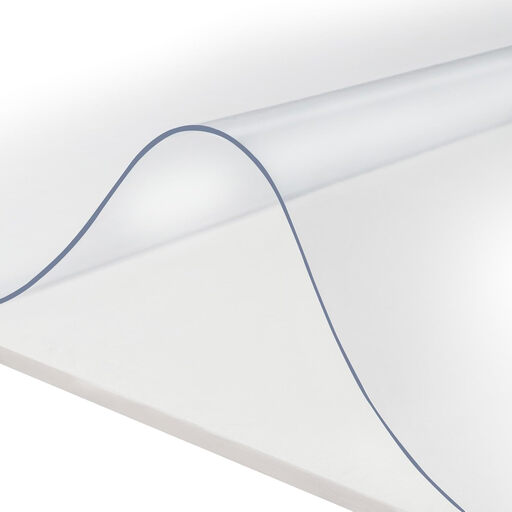
Why This Fits Their Persona: Perfect for a desk. It protects the work surface from scratches caused by laptops, coffee mugs, or pens without disrupting the workspace's aesthetic. The smooth surface doesn't interfere with writing or using a mouse.
The product description explicitly states that the film is designed for matte or textured surfaces. This helps buyers proactively avoid the air bubble trap on high-gloss desks.
High transparency to preserve the table's appearance; waterproof and oil-repellent for easy cleaning; robust 2 mm thickness.
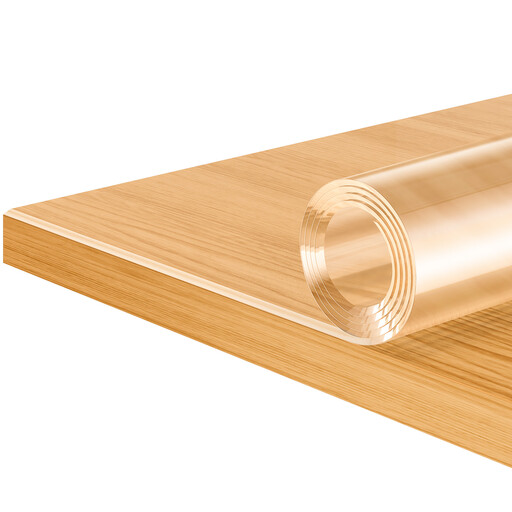
Why This Fits Their Persona: A great choice for owners of large dining tables or for those who need a cover for a custom-sized piece of furniture. The generous dimensions allow for custom trimming to achieve a perfect fit.
The bevelled edges are a premium detail that avoids the sharp, often uncomfortable edges found on cheaper films. This increases comfort when resting your arms on the table.
Increased comfort thanks to bevelled edges; large dimensions allow for custom cutting; non-slip texture for a secure hold.
We have compiled a complete, up-to-date list of products that fully meet these strict selection criteria and safety standards.
1. How do I get a rolled table protector to lie flat? Since the films are rolled for shipping, they need some time to flatten out. The most effective method: Unroll the film and place it on the table with the curled side facing down for 24-48 hours. Weigh down the corners with heavy books. Alternatively, you can gently warm the film with a hairdryer on a low setting to speed up the process.
2. How do I avoid air bubbles under the transparent tablecloth? Air bubbles form due to the airtight contact between two perfectly smooth surfaces. Therefore, only use crystal-clear films on matte or textured surfaces like untreated or matte-finished wood. For high-gloss or glass tables, it is recommended to use a film that is matte on one side or to place a very thin fabric cloth underneath the clear film.
3. Is a 2 mm thick table film heat-resistant? Most PVC table protectors with a thickness of 2 mm are heat-resistant up to a temperature of about 80°C. This is sufficient for hot plates, cups, or laptops. However, pots or pans taken directly from the stove should never be placed on the film without a suitable trivet, as this can cause permanent deformation or damage.