
Lieferung heute & morgen

Qualitätsgarantie

Willkommens-Angebote freischalten: KOSTENLOSE Lieferung | Bis zu 80 % RABATT | Kostenlose 30-Tage-JoyPlus-Testphase
App herunterladen
A torn trash bag is more than just a nuisance—it means sticky floors, unpleasant odours, and extra work. But choosing the right bag goes beyond mere tear resistance. The maze of product descriptions is filled with pitfalls that often only become apparent after your purchase. From misleading sustainability claims to ill-fitting sizes, many products don't deliver on their promises. This guide will help you identify the crucial features and make an informed choice for your home or office.
Before diving into the details, it's helpful to understand the typical issues that can lead to the wrong purchase.
To avoid these pitfalls, you should check three key properties before buying. These determine functionality, fit, and correct disposal.
The material is the most important factor for stability. The thickness is specified in microns (?m)—as a rule, the higher the value, the more robust the bag.
The size must match your bin. Common sizes include:
The closure mechanism adds convenience and hygiene. A trash bag with a drawstring can be closed cleanly and transported easily, while simple tie handles are also practical.
Not every bag is a trash bag. Freezer bags, for example, are made from food-safe materials and are designed for extremely low temperatures to prevent freezer burn. They are optimised for food storage and should not be confused with waste bags.
Instead of making blanket recommendations, we have identified products tailored to specific needs and household types.
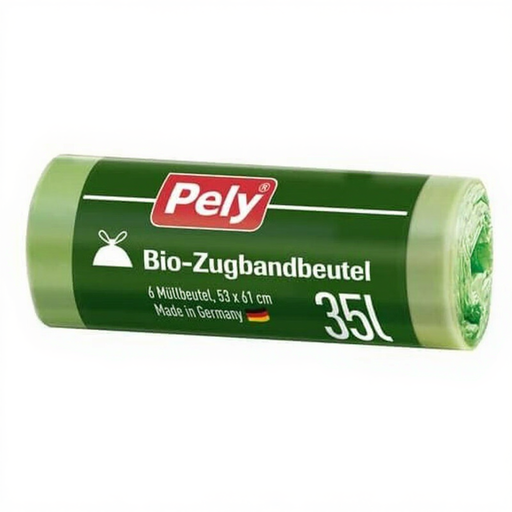
Why This Fits Their Persona: Ideal for households that separate organic waste and are looking for a hygienic, certified solution for their kitchen scraps. The drawstring makes daily handling significantly easier.
Avoids the "greenwashing" problem with a clear certification according to DIN EN 13432. This confirms industrial compostability, creating an objective basis for disposal (though local regulations should still be checked).
Combines the benefits of an organic waste bag with the convenience of a practical drawstring for clean closure and transport.
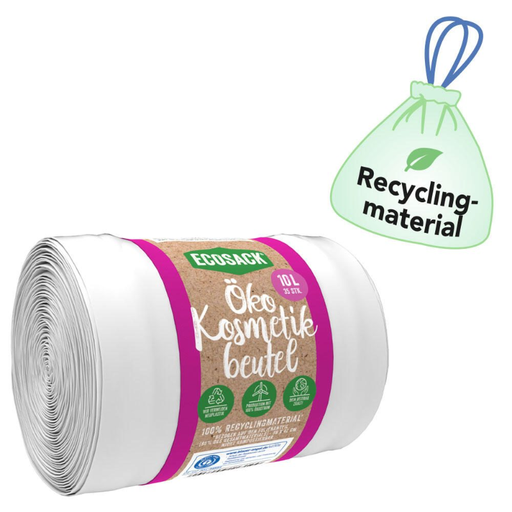
Why This Fits Their Persona: Perfect for users seeking a resource-saving solution for small bins in the bathroom or at a desk, where general waste is collected and compostability is not a factor.
Sidesteps the compostability trap by focusing on a different, clearly defined environmental benefit: production from recycled material, confirmed by the recognised Blue Angel seal.
Combines the perfect 10L size for cosmetic bins with a verifiably eco-friendly approach by using recycled LDPE film.
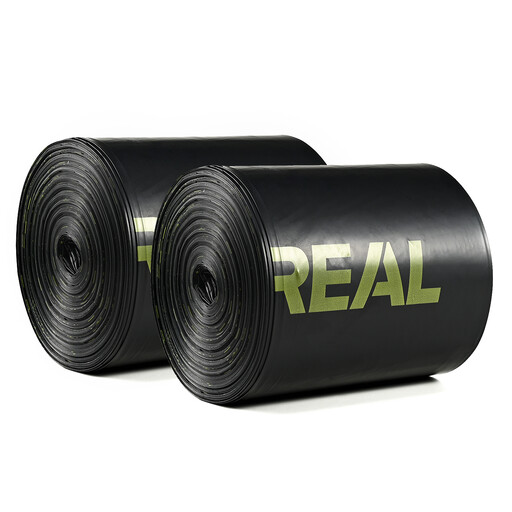
Why This Fits Their Persona: For anyone tired of burst bags. Suitable for kitchen waste that is often wet, heavy, or has sharp edges, like bones or packaging.
Directly addresses the trap of poor tear resistance by providing specific performance metrics: according to VIVREAL, the bag offers a puncture resistance of 1000mN and a high tensile strength of 15MPa.
Offers high durability and leak-proof performance based on measurable technical data. Additionally, it is certified for composting by T?V AUSTRIA and BPP.
We have compiled a complete, up-to-date list of products that fully meet these strict selection criteria and German regulations.
1. Are compostable trash bags allowed in the organic waste bin? This is one of the most common questions, and the answer is not uniform across the country. Although many organic waste bags are certified according to DIN EN 13432, they decompose too slowly in some composting facilities. Therefore, many municipalities and waste management companies prohibit them in the organic waste bin. Please be sure to check with your local waste management authority to see which regulations apply in your area.
2. What does the "?m" specification on trash bags mean? The "?m" stands for micron and indicates the thickness of the film. A micron is one-thousandth of a millimetre. As a rule of thumb: a higher ?m number indicates a thicker and therefore often more tear-resistant material. For light waste (e.g., paper), thinner bags are sufficient, while a higher film thickness is recommended for heavy or wet kitchen waste.
3. Are trash bags made from recycled material always the better choice? That depends on the application. For disposing of general waste that is incinerated, trash bags made from recycled plastic (e.g., those with the "Blue Angel" seal) are an excellent choice as they reduce the consumption of new crude oil and support the plastics circular economy. For collecting organic waste that is to be processed into compost, a (locally approved) compostable bag is the logical choice, as it can be processed along with its contents.