Architecture photographers shooting in backlight
You want to retain detail in both the highlights and shadows of static railway structures, and you’re prepared to adjust the exposure carefully or edit RAW files.


For static railway structures in strong backlight, RAW capture and careful exposure are important. Exposure bracketing can help with static subjects, but it is not an obvious go-to solution for a moving suspension railway. A compact camera with a travel zoom saves you changing lenses, while a mirrorless camera with the right lens gives you more flexibility over your framing and kit.
You want to retain detail in both the highlights and shadows of static railway structures, and you’re prepared to adjust the exposure carefully or edit RAW files.
You photograph vehicles from a permitted location and need the right framing, along with a shutter speed suited to the way you want to show movement.
You want the flexibility to take photos on longer walks without bringing several lenses along without checking first. The weight of the complete kit matters, not just the camera body.
A good fit if: You want to capture wide views and distant details on a day out without changing lenses. Sony gives the RX100 VII a 24–200 mm full-frame equivalent zoom range.
The trade-off: You’re limited to the angle of view of the built-in lens. Also check the exact model variant and its features.
A good fit if: You want to use a wider angle of view for large structures, or a different lens for distant details. Canon offers an RF-S 10–18 mm and an RF-S 18–150 mm, for example, for compatible APS-C cameras.
The trade-off: Your angle of view and the weight you carry depend on the complete camera-and-lens set. A travel zoom won’t automatically replace an ultra-wide-angle lens when space is tight.
A good fit if: Overall weight and weather sealing matter on long walks in changeable conditions. OM SYSTEM lists the OM-5 Mark II at 418 g including battery and memory card, and gives the camera an IP53 rating.
The trade-off: Your chosen lens affects the weight, angle of view and weather suitability of the kit. Stabilisation won’t prevent motion blur from a moving train.
| Buying priority | What to check | Who will find this especially important |
|---|---|---|
| Backlighting and exposure | RAW photo format and exposure compensation; check whether exposure bracketing is available for static subjects, and what settings the exact model offers. | If I want to show detail in both bright skies and dark structures, I need to be able to control exposure and post-processing. Around 31% of consumers put retaining detail in strong backlight first. |
| Angle of view and framing | Check the angle of view of the lens actually included or selected; choose a wide-angle or telephoto lens to suit your location and subject. | If I want to photograph both an entire structure and distant components, I need the right framing and can’t rely on the camera’s name alone. For around 25% of consumers, framing is the main priority. |
| Moving vehicles | Check continuous autofocus, continuous shooting and adjustable shutter speed on the exact model. | If I want to show a moving suspension railway in sharp focus or deliberately blurred, the shutter speed needs to suit the effect I’m after. Around 25% of consumers put moving vehicles first. |
| Kit weight | Compare weights on a like-for-like basis and include the lens you intend to use. | On a longer walk, I want to carry my camera and the lens I need without too much of a burden. For around 19% of consumers, the portability of the complete kit comes first. |
Taking a burst of shots of a moving vehicle and capturing individual frames at different exposures for HDR solve different problems.
First decide whether you’re focusing on a stationary structure or a moving vehicle. Then check the exposure bracketing or shutter speed options, as well as continuous autofocus.
The stated body weights for the Canon EOS R10 and OM-5 Mark II don’t include an interchangeable lens.
Compare complete kits with lenses suited to the same framing, and check what’s included in the box.
The Canon RF-S 18–150 mm starts at a narrower angle than the RF-S 10–18 mm.
First check whether you can fit the entire structure into the frame from a permitted location. Then decide how much telephoto reach you need for distant details.
Deutsche Bahn and Wuppertaler Stadtwerke publish guidance for their own sites.
Follow the rules of the operator responsible for the site you’re visiting, keep access routes clear and ask about a specific photo if the available guidance doesn’t answer your question.
Sony offers both a compact camera with a built-in travel zoom and APS-C cameras with interchangeable lenses.
The EOS R10 and EOS R7 can be paired with RF-S lenses to suit different angles of view.
The X-S20 is an APS-C system for travellers who want to choose their own lens and edit RAW files.
The Z50II is a DX camera with an interchangeable lens and electronic viewfinder.
The OM-5 Mark II is an interchangeable-lens camera body for days out where weight and weather protection matter.
The Joybuy products below include compact travel and pocket cameras, a zoom digital camera and portable cameras designed for vlogging or POV footage. Before buying, check that each model suits the framing you want and the type of photos you plan to take.
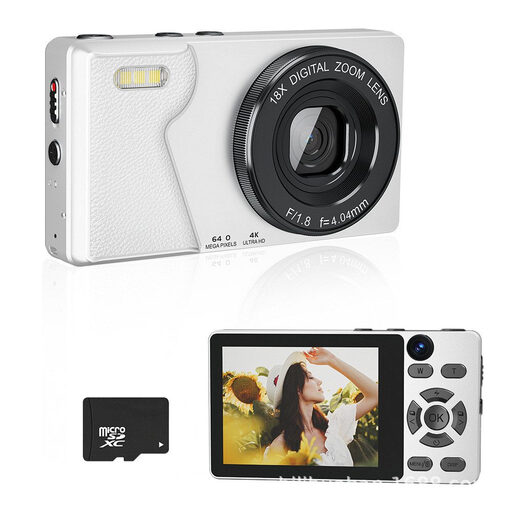 No image available
Described as a compact camera for travel and vlogging, with 4K UHD, autofocus and image stabilisation.
Other details in the product name include front and rear cameras, a 2.8-inch display and a 2000-mAh battery.
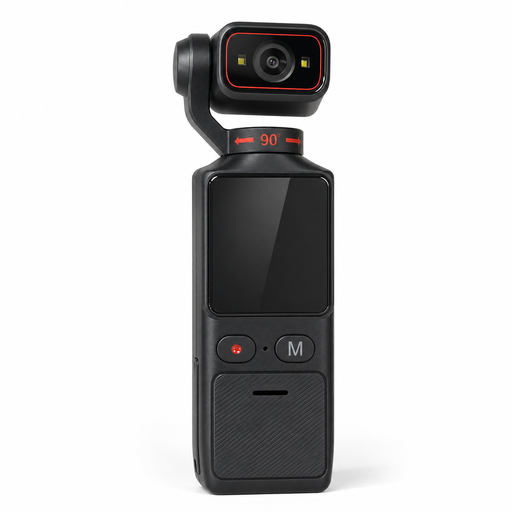 No image available
Described as a pocket camera for vlogging and outdoor footage, with a 180° swivelling lens listed in the product name.
Other features include electronic image stabilisation, Wi-Fi and a 1.69-inch touchscreen.
 No image available
The listed 12x optical zoom is useful for changing your framing as you explore.
Other details in the product name include 4K, Wi-Fi and 64 MP.
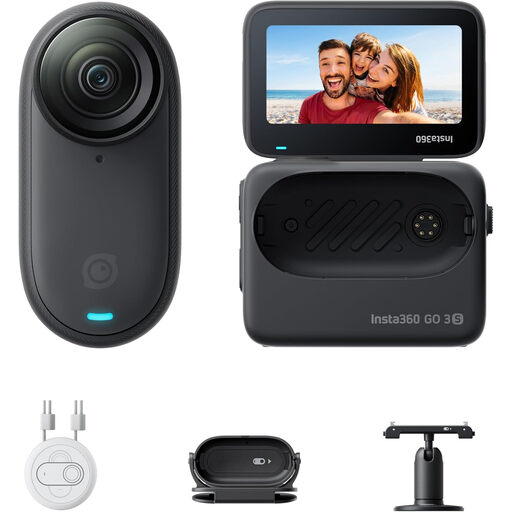 No image available
This portable camera is described for travel and outdoor footage, as well as POV videos; features include a wide-angle lens and stabilisation.
Other details in the product name include 4K, 140 minutes of battery life and waterproofing to 10 m. If you have a pacemaker, do not wear the camera on your chest or use the magnetic pendant.
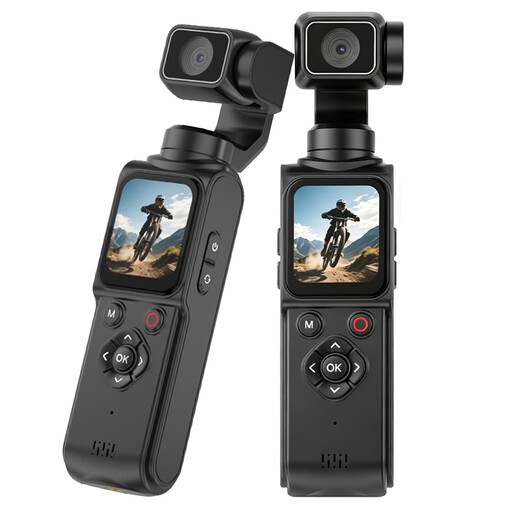 No image available
The described 150° lens is designed for wide framing; the camera is described as a compact model for travel.
The description lists a weight of 84 g and 18x digital zoom. Digital zoom is no substitute for a stated optical focal length range.
First decide whether you want to show a silhouette or detail in the structure. For detail, you can shoot RAW and, if the specific model supports it, use exposure bracketing. Nikon describes HDR as combining shots taken at different exposures.
HDR exposure bracketing isn’t an obvious go-to solution, because the train moves between individual shots. Choose a shutter speed to get the sharp or blurred effect you want, and check for continuous autofocus. Nikon recommends AF-C as one possible setting for moving subjects.
No. Deutsche Bahn publishes rules for its own sites; the house rules of Wuppertaler Stadtwerke apply to the suspension railway. In particular, they require you not to endanger or obstruct others beyond what is unavoidable, and to follow staff instructions.
Under certain conditions, § 59 UrhG permits photographs of works permanently situated on public paths, roads or squares; for buildings, this applies to their exterior. As a general rule, publishing photos of identifiable people requires consent under § 22 KunstUrhG, subject to the exceptions and limits in § 23. These rules do not replace checking the specific location or an operator’s right to manage its premises. The provisions mentioned are made available by the Federal Ministry of Justice and the Federal Office of Justice.
Check what’s included in the box, charge the battery and compare the angle of view of your chosen lens with your subjects. With a mirrorless camera, consider the weight of the complete kit. At railway sites, you must also follow the safety rules and site regulations in force there.