
Lieferung heute & morgen

Qualitätsgarantie

Willkommens-Angebote freischalten: KOSTENLOSE Lieferung | Bis zu 80 % RABATT | Kostenlose 30-Tage-JoyPlus-Testphase
App herunterladen
A good travel cot promises flexibility for families: a safe place for your child to sleep, whether on holiday, at the grandparents', or as a second cot at home. But the market is overwhelming, and many products don't live up to their advertising claims. Before you make a decision, it's important to know the most common pitfalls that lead to frustration and unnecessary expense.
As your Joybuy Product Recommendation Officer, I'll help you separate marketing hype from facts. We will focus on the objective criteria that truly matter.
The 3 Most Common Traps When Buying a Travel Cot:
To avoid a bad purchase, you should focus your attention on three core aspects. These define the safety, comfort, and practical usability of a travel cot in everyday life.
The sleeping surface is the most critical element for your child's safety and comfort. A standard sleeping area for a baby travel cot often measures 120 x 60 cm. Pay attention to the following points:
A travel cot for on the go must be quick and easy to handle. The folding mechanism is crucial here.
A travel cot must stand stably on any surface and not tip over, even when the child moves around inside it.
Based on the criteria mentioned, we have identified some models that represent a considered choice for specific requirement profiles.
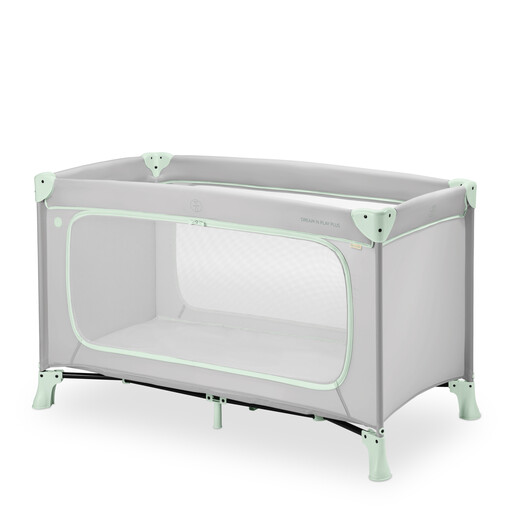
Why This Fits Their Persona: Ideal for families seeking a reliable and safe basic solution for occasional overnight stays without breaking the budget. It focuses on the core functions of a travel cot.
This model forgoes complex extra features, focusing on being a solid place for sleeping and playing. It's not an overloaded "all-in-one" product.
Features a side exit for older children and large mesh windows for good ventilation. The folding mechanism is proven and straightforward.
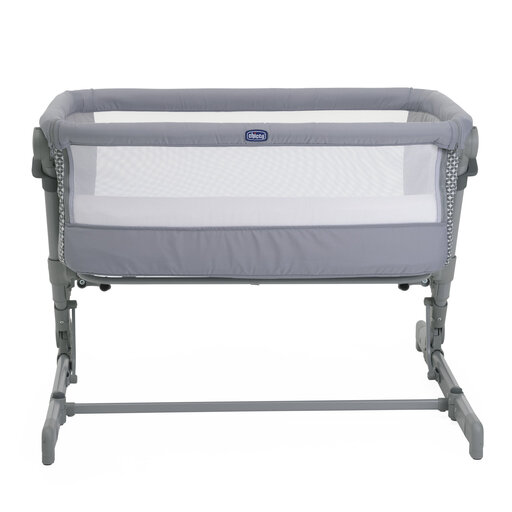
Why This Fits Their Persona: Perfect for parents of newborns who value closeness to their baby, even while travelling, and need a solution that functions as a bedside crib and is easy to transport.
It sidesteps the trap of misleading "compact" designs. According to the manufacturer, it folds down in seconds without needing to dismantle any parts, making it genuinely travel-friendly.
Features a 6-level height adjustment to fit various parent beds and a secure harness system for attachment. The incline function can be helpful for reflux or a stuffy nose.
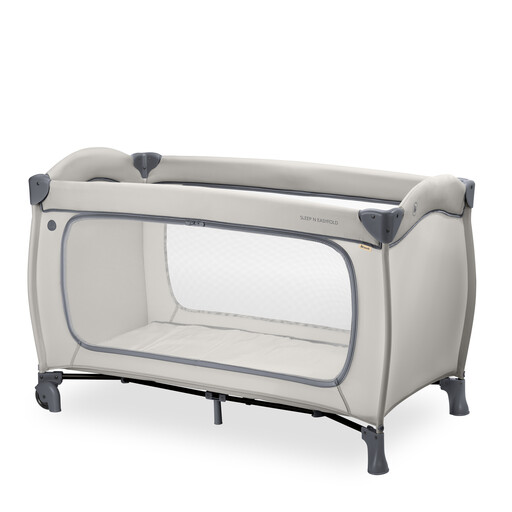
Why This Fits Their Persona: Designed for parents who are often on the move and require maximum convenience for setup and takedown. Its low weight and quick folding mechanism are the key advantages here.
This cot solves the problem of cumbersome assembly. According to the manufacturer, the folding mechanism is designed for speed and simplicity, setting it apart from many competing products.
At 7.5 kg, it's relatively lightweight, and the integrated wheels make it easier to move when assembled. The included bag ensures a compact packed size.
We have compiled a complete, up-to-date list of products that fully meet these strict selection criteria and European safety regulations.
Most travel cots come with a thin, foldable base insert, often referred to as a "mattress." This may be sufficient for occasional overnight stays. However, for regular use or greater sleeping comfort, a separate travel cot mattress is recommended. Ensure that it fits the cot exactly (e.g., 120 x 60 cm) and is not too high, so that the safety height of the side walls is maintained.
Most standard travel cots are designed for children from birth up to an age of about 3 years or a maximum body weight of 15 kg. Use should be discontinued as soon as the child is able to climb out of the cot on their own to prevent falls. Always observe the specific information provided by the manufacturer.
A travel cot is primarily designed for temporary use. The mattresses and ventilation are generally not optimised for continuous, nightly use over several months, as is the case with a standard cot for the home. For daily use, a sturdy children's bed with a high-quality mattress is the safer and more comfortable solution.