
当日/次日达

品质保障

开启新人专享福利: 全场免邮 | 低至 2 折 | 免费试用 30 天 JoyPlus 会员
下载 Joybuy
A good travel mug is more than just a container. It's a daily companion for commuters, students, and outdoor enthusiasts, keeping morning coffee hot on the way to work or water cool on a summer day. But the market is flooded with models whose marketing promises often don't hold up to reality. The result: leaky mugs, drinks that cool down too quickly, and a frustrating user experience.
This guide will help you avoid the typical pitfalls. We'll focus on the crucial features that define a reliable insulated mug, ensuring your next purchase is a long-lasting investment, not a short-lived annoyance.
Before we dive into the key features, let's highlight the three most common issues that lead to a bad purchase.
To avoid these pitfalls, you should base your choice on objective criteria. The following three points are crucial for durability and functionality.
The heart of any travel mug is its insulation. Look for double-wall vacuum insulation. This technology removes the air between the inner and outer walls, which minimises heat transfer (both from the inside out and vice versa).
The standard material for a high-quality stainless steel travel mug is 18/8 stainless steel (also known as Type 304). This material is food-grade, rust-proof, and taste-neutral, so your coffee won't taste like metal. Some models even use 316L stainless steel for the inner wall, which offers even higher corrosion resistance—a particular advantage for frequent contact with acidic beverages.
The lid is the most critical component for leak-proofing. A reliable coffee-to-go mug needs a lid that does more than just sit loosely on top. Look for the following features:
A good insulated mug doesn't just insulate; it also fits into your daily routine. Consider where you will primarily use the mug.
Instead of making a one-size-fits-all recommendation, we have selected models tailored to specific use cases.
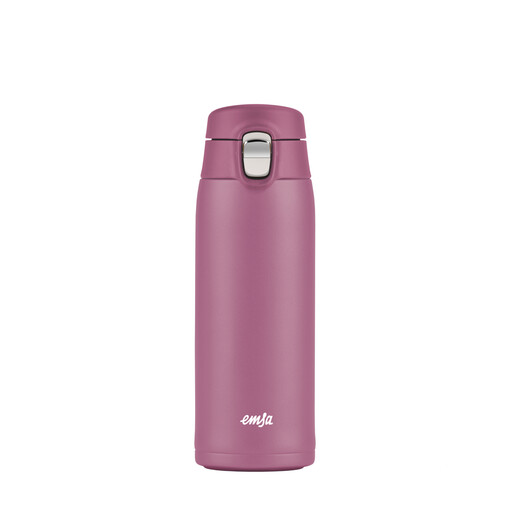
Why this model is a great fit: Ideal for the daily commute. The one-handed operation allows for drinking while driving, and the slim design fits most car cup holders. Reliability is the main focus here.
The flip-top lid is designed to be 100% sealed, preventing leaks in your bag. Additionally, the lid is dishwasher-safe and can be disassembled for thorough cleaning.
The insulation performance (8h hot / 16h cold, according to the manufacturer) is designed for a full workday. The one-handed operation is a clear bonus for safety on the road.
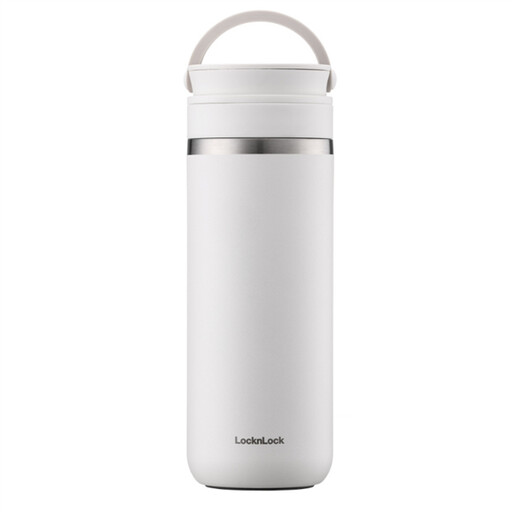
Why this model is a great fit: For users who value the highest material quality and versatility. Suitable for the office, travel, and daily use with various types of beverages (coffee, tea, cold drinks).
The dual-lid system offers both a small drinking spout and a wide opening, which makes cleaning extremely easy and prevents unhygienic residue. The seal is robust and designed for transport.
The inner wall made of 316L stainless steel offers superior corrosion resistance. Its excellent cold insulation (up to 37h, according to the manufacturer) makes it ideal for all-day use.
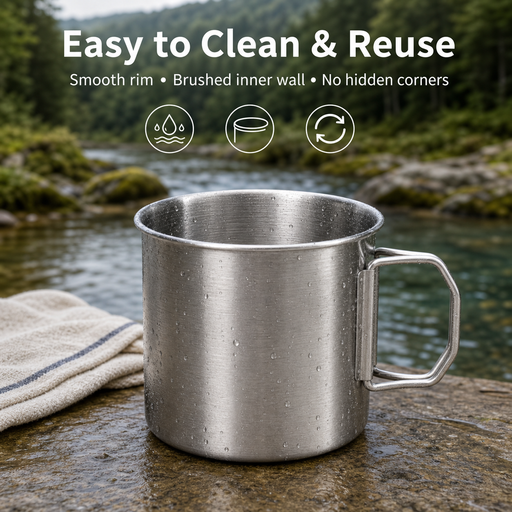
Why this model is a great fit: For hiking and camping, where robustness, low weight, and packability are more important than maximum insulation time. A simple but extremely durable camping mug.
This model intentionally forgoes complex lid mechanisms. It is an open-top mug that isn't meant to be leak-proof but is designed for durability and easy cleaning outdoors. No hidden parts, no false promises.
The foldable handle saves valuable space in a backpack. The 304 stainless steel construction is virtually indestructible and more resistant to drops and impacts than any insulated mug with a vacuum seal.
1. How do you clean a travel mug properly to avoid odours? The most effective method is manual cleaning. Disassemble the lid as much as possible. Clean all parts with warm water and a mild washing-up liquid. For stubborn coffee or tea odours, a paste of baking soda and water can help. Let it sit for a few hours and then rinse thoroughly. Allow all parts to air-dry completely before reassembling the mug.
2. Is a mug labelled "dishwasher-safe" really safe for the dishwasher? Yes, but with limitations. Typically, this suitability only applies to the top rack of the dishwasher, where temperatures are lower. Over time, high temperatures and aggressive detergents can damage the exterior coating and harm the delicate vacuum seal, which will impair insulation performance. To maximise the lifespan of your mug, a gentler hand wash is often recommended.
3. My coffee doesn't stay hot for as long as the manufacturer claims. Why is that? The stated insulation times are measured under optimal lab conditions. Several real-world factors influence actual performance: