
Same-day & Next-day Delivery

Quality Guaranteed

Unlock Your Welcome Offers: FREE Delivery | Up to 80% OFF | Free 30-day JoyPlus trial
Download the APP
A great travel mug is a daily companion for commuters, office workers, and anyone who loves to enjoy their coffee or tea on the go. But the market is flooded with models whose promises often don't hold up in practice. A leaky lid in your bag or lukewarm coffee after just one hour are frustrating realities. As your Joybuy Product Recommendation Officer, I'll help you identify the crucial features and avoid common purchasing pitfalls.
Many products advertise impressive features, but the devil is in the details. Watch out for these three common problems to avoid a bad investment.
To find the right travel mug, don't be swayed by marketing buzzwords; focus on verifiable facts instead. Here are the three most important criteria.
The material is the primary factor determining insulation performance, durability, and taste.
The lid is the most critical component for leak-proof transport. A simple screw-on lid with a silicone gasket is the minimum. More advanced systems offer greater convenience and security:
The size should fit your daily routine. A 350 ml to-go coffee mug is ideal for your morning coffee, while models with 500 ml or more are better for long days or trips. Make sure the mug fits into standard cup holders (in your car or on a backpack). Another key point is whether the travel mug with lid and its individual parts are dishwasher-safe, which significantly simplifies daily maintenance.
Here are a few recommendations tailored to specific user profiles that successfully avoid the pitfalls mentioned.
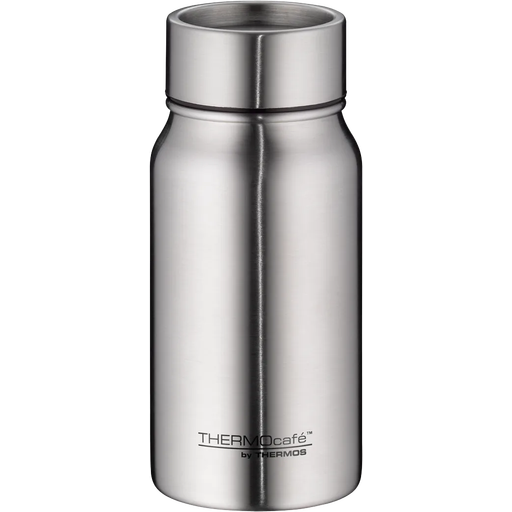
Why This Fits Their Persona: Ideal for the daily commute. This mug is designed for absolute leak-proofing and one-handed operation. Its slim profile fits most cup holders and bag pockets.
The push-button lid is advertised as completely leak-proof and can be disassembled for hygienic cleaning. The double-wall stainless steel prevents any taste transfer.
360° opening for easy sipping from any angle. The lid is dishwasher-safe.
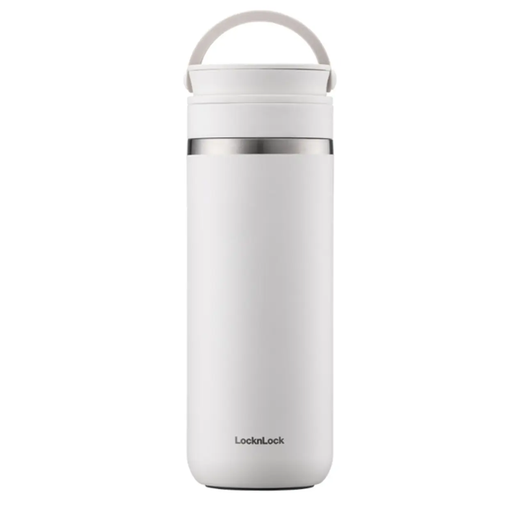
Why This Fits Their Persona: Perfect for users who value versatility. Suitable for hot coffee in the morning and iced tea in the afternoon. The wide opening makes it easy to add ice cubes or fruit.
The two-way lid solves the cleaning problem by offering a wide opening for easy access to the interior. The stainless steel vacuum insulation ensures excellent temperature retention.
Two-way lid design for maximum flexibility in drinking and cleaning. The silicone base provides a stable, non-slip footing.
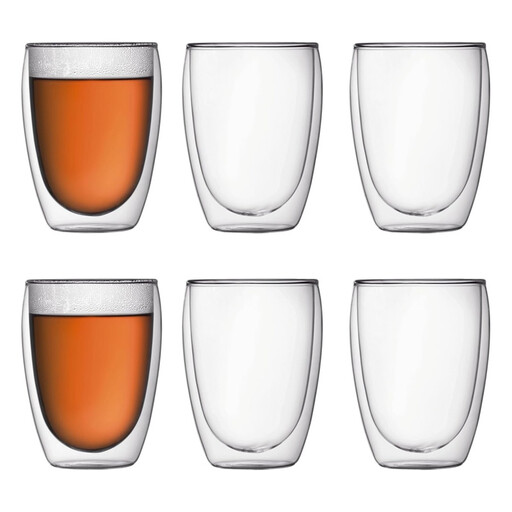
Why This Fits Their Persona: For those who don't want to compromise on aesthetics at home or in the office. The clear design beautifully showcases beverages like lattes or smoothies.
Glass is completely taste-neutral, avoiding any aftertaste from plastic or metal. The double-wall construction insulates well and protects your hands from heat.
Made from heat-resistant borosilicate glass. The double-wall structure creates a floating effect for the contents and is comfortable to hold.
We've compiled a complete, up-to-date list of products that fully meet these strict selection criteria and rigorous safety standards.
1. What's the most effective way to clean an insulated mug? The most thorough cleaning is achieved when the lid can be completely disassembled into its individual parts. Wash all parts by hand with warm water and dish soap, or in the dishwasher if specified by the manufacturer. For stubborn coffee or tea stains, specialised cleaning tablets for insulated flasks or a mixture of baking soda and warm water can help. Allow all parts to air dry completely before reassembling the mug.
2. Are stainless steel insulated mugs suitable for carbonated drinks? Not all of them. The pressure created by carbonation can cause leaks or even lead to the lid suddenly popping open on unsuitable models. Always check the manufacturer's product description. Some models, like the Thermos TC Bottle, are explicitly rated as leak-proof even with carbonated beverages. For most standard coffee mugs, it is not recommended.
3. What does BPA-free mean, and why is it important for a travel mug?BPA (Bisphenol A) is a chemical compound used in the manufacturing of certain plastics (e.g., polycarbonate). Under certain conditions, it can leach from the material into food. Since BPA is suspected of being harmful to health, it is an important quality indicator for products that come into contact with food, such as a travel mug with lid, to be labelled as BPA-free. This ensures that no unwanted chemicals get into your drink.