
Lieferung heute & morgen

Qualitätsgarantie
App herunterladen
Kategorien
A travel tripod is a specialised photography accessory designed for mobile use. Its primary design goals are low weight and a minimal packed size, without compromising its fundamental function: stabilising a camera or smartphone. Selecting a suitable model depends on the technical requirements of your equipment and the specific application. This article analyses the crucial parameters and presents a selection of models for different user profiles.
The decision for a compact travel tripod should be based on an objective evaluation of its material, dimensions, and load capacity.
The choice of material significantly influences the tripod's weight, stability, and price.
The following selection is based on an analysis of the products' technical specifications and intended use cases.
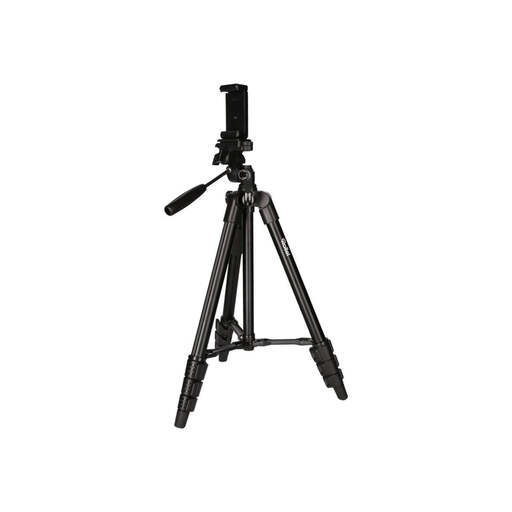
Why We Recommend This Product This model is designed as an all-in-one solution for smartphone photography. Weighing just 595 grams with a packed size of 39 cm, it is extremely portable. The integration of a tripod with a remote shutter (Bluetooth) and a smartphone holder makes additional accessories redundant. According to the manufacturer, 75% of its components are made from recycled materials.
Advantages (Pros)
Who It's For This lightweight tripod is ideal for travellers and content creators who shoot exclusively with a smartphone. It is well-suited as a vlogging tripod and for anyone seeking a hassle-free, out-of-the-box solution for on-the-go use.
View the Rollei Smartphone Traveler Tripod
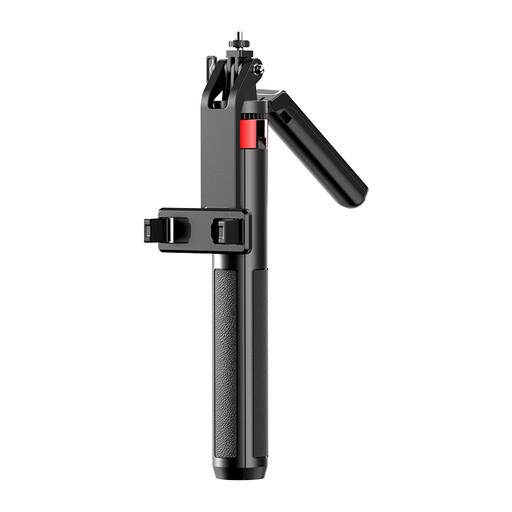
Why We Recommend This Product The ULANZI MA09 features an unconventional four-leg design that can offer enhanced stability compared to traditional tripods. Its maximum height of 180 cm is remarkable for a tripod for phones and action cams, and it expands its utility as a selfie stick. The remote shutter is USB-rechargeable, eliminating the need for disposable batteries.
Advantages (Pros)
Who It's For This model is aimed at vloggers and content creators who require significant flexibility in shooting height. The stable base and long extension are advantageous for static shots, interviews, or creative perspectives with smartphones and lightweight action cameras.
View the ULANZI MA09 Extendable Phone Tripod
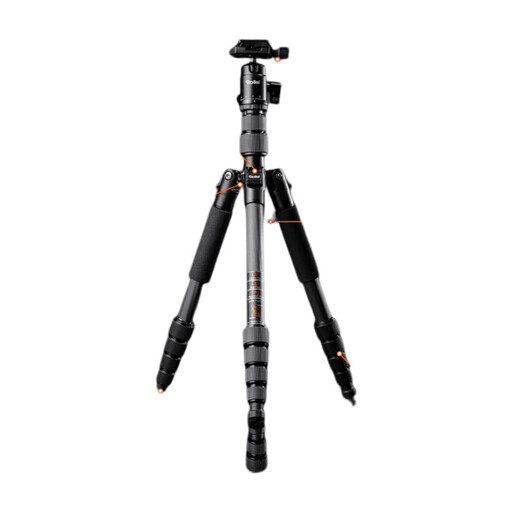
Why We Recommend This Product This carbon tripod represents a solution for users with professional demands. The combination of a net weight under 1 kg (961 g with head) and a maximum payload of 8 kg is a powerful technical feature for a camera tripod in this size class. Its packed size of 34.5 cm is extremely compact. The ability to convert it into a full-fledged monopod adds to its functional versatility.
Advantages (Pros)
Who It's For This model is designed for ambitious photographers and professionals who want to make no compromises on equipment stability while travelling. It is the right choice for landscape, architectural, and long-exposure photography with heavier gear, where every gram in the bag counts.
View the Rollei Compact Traveler No. 1 Carbon
A good tripod is the foundation for sharp images. If you are also looking for a suitable camera for your travels, our Travel Camera category features a selection of compact and powerful models ideal for mobile use.
1. What are the key criteria for a good travel tripod? The three most important technical parameters are low weight, a small packed size, and sufficient payload capacity for your specific camera and lens combination. Other important factors include stability, which is determined by the material (e.g., carbon) and construction, as well as the quality of the tripod head.
2. Is a carbon tripod worth the premium over an aluminium one? The decision depends on the use case. For hikers, mountaineers, or photographers who cover long distances on foot, the weight savings of several hundred grams from a carbon tripod can be a deciding factor. Additionally, carbon offers better vibration damping. For users who primarily travel by car or for whom budget is a primary concern, an aluminium tripod is often a perfectly adequate and more cost-effective solution.
3. Can I use any travel tripod for my phone? Most camera tripods feature a standard 1/4-inch thread to which a separately available smartphone mount can be attached. Some models, like the Rollei Compact Traveler No. 1 featured here, already include such a mount. However, dedicated smartphone tripods are often even lighter and more compact, as they do not need to be designed for the weight of heavy cameras.