
Lieferung heute & morgen

Qualitätsgarantie

Willkommens-Angebote freischalten: KOSTENLOSE Lieferung | Bis zu 80 % RABATT | Kostenlose 30-Tage-JoyPlus-Testphase
App herunterladen
As a Joybuy Product Recommendation Officer, I see customers navigating a flood of marketing promises every day. Especially with gear like trekking poles, exaggerated advertising claims often lead to disappointment on the trail. Before you invest, it's crucial to understand the common pitfalls that can turn a promising trek into a frustrating experience.
The three most common problems that arise from a poor choice are:
Understanding the core features will help you avoid these issues and make an informed decision.
Let's look at the technical specifications that are essential for the performance and longevity of your hiking poles.
The choice of material is a trade-off between weight, durability, and price.
The system used to secure the pole's segments is critical for reliability.
The design affects packed size and handling.
Here are some recommendations tailored to specific user needs that avoid the pitfalls we've discussed.
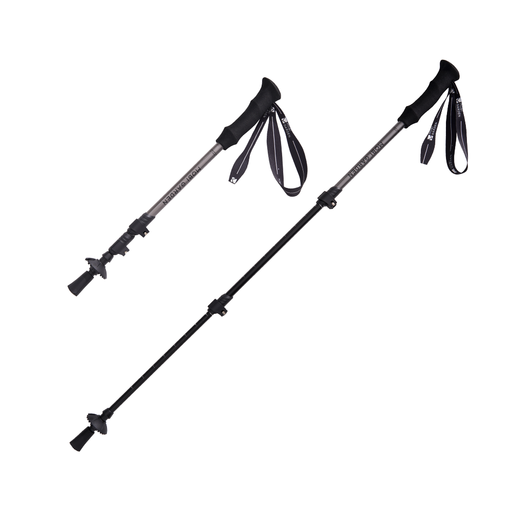
Why It's a Match: Ideal for hikers seeking reliable and durable gear without a premium price tag. Perfect for day hikes and moderate mountain treks.
This model uses an external flip-lock system instead of an unreliable twist-lock. The EVA foam grip absorbs sweat and prevents blisters, unlike cheap hard plastic grips.
The 7075 aerospace-grade aluminium alloy shaft offers high strength and bending resistance at a weight of only approx. 210g per pole.
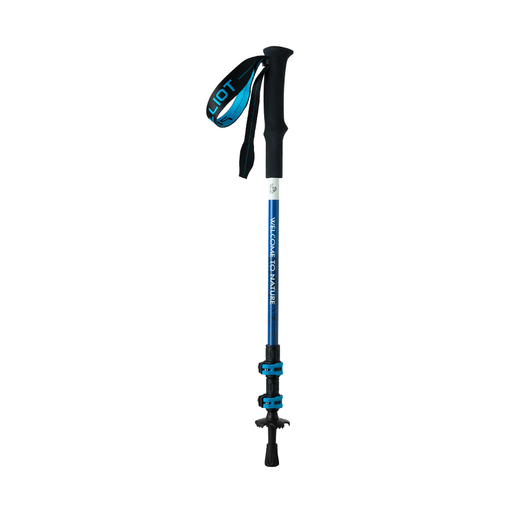
Why It's a Match: For long-distance hikers where every gram counts. The weight savings from carbon fibre minimises arm fatigue over many miles and days on the trail.
This pole avoids the trap of prioritising extreme lightness at the expense of stability. It features a well-engineered carbon construction designed for performance, not just a marketing weight figure.
The combination of ultralight carbon fibre and an extended EVA grip allows for quick grip changes on varied terrain without having to adjust the pole length.
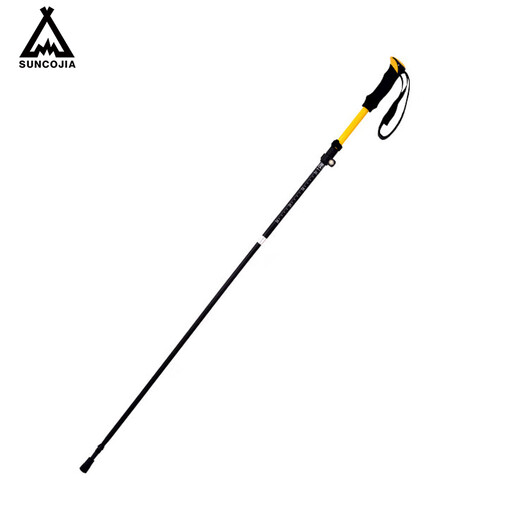
Why It's a Match: These foldable hiking poles are the solution for anyone who needs a minimal packed size. They fit easily into carry-on luggage or a small running vest.
Unlike many fragile folding poles, this model uses robust 7075 aluminium and a reliable ABS locking mechanism that holds securely even after frequent assembly and disassembly.
An extremely compact packed size of just 34 cm when folded. This makes transport and storage effortless.
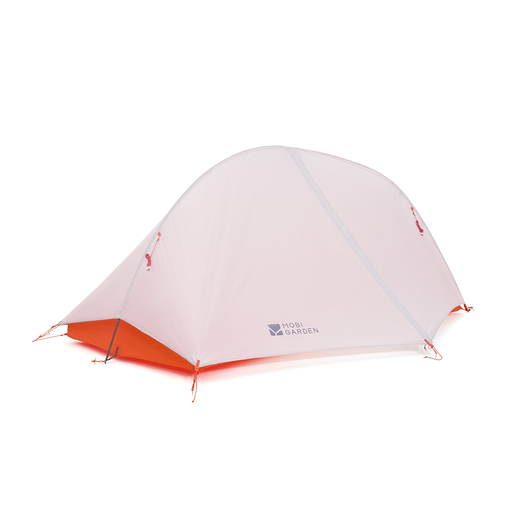
Why It's a Match: For trekkers optimising their entire gear system, an ultralight tent is the next logical step. This 2-person tent is designed for weight-conscious, long-distance hikes.
It uses high-quality, silicone-treated 20D ripstop nylon and lightweight aluminium poles. This avoids the pitfall of ultralight gear that fails in moderate wind or rain.
A net weight of only approx. 1.18 kg, combined with good ventilation and a PU2000mm waterproof rating, makes it a highly capable 3-season tent.
We have compiled a complete, up-to-date list of products that fully meet these strict selection criteria and rigorous safety standards.
As a rule of thumb, when holding the pole vertically in front of you on level ground, your elbow should form a 90-degree angle. When going downhill, adjust the poles to be slightly longer for better support. When going uphill, shorten them to help you push upwards effectively.
The lifespan depends heavily on use and care. Aluminium poles are more forgiving of dents and scratches; they tend to bend rather than break. Carbon poles are extremely durable under normal stress but can snap without warning from an unlucky, hard impact on a sharp edge. With proper care, both material types can last for many years.