
Lieferung heute & morgen

Qualitätsgarantie

Willkommens-Angebote freischalten: KOSTENLOSE Lieferung | Bis zu 80 % RABATT | Kostenlose 30-Tage-JoyPlus-Testphase
App herunterladen
Choosing your child's first vehicle is an important decision. A tricycle with a push handle is often the first step towards exploring the world on their own wheels. It serves as a bridge between a pushchair and independent riding. But the market is diverse, ranging from classic models to multifunctional 5-in-1 tricycles. This guide will help you understand the features and differences to make an informed choice for your child.
Finding the right kids' vehicle can seem complex given the many options available. The following points summarise the key criteria to consider when making your decision.
A grow-with-me tricycle adapts to your child's developmental stages. Initially, parents use the push handle for steering and pushing. As the child grows and gains confidence, the push handle, safety bar, and eventually the pedals can be removed. Such models can often be converted into a classic tricycle or even a balance bike. This flexibility makes the purchase more sustainable and cost-effective, as you don't need to buy a new vehicle for each developmental phase.
Safety is the top priority. Look for sturdy frame constructions, for example, made of steel or lightweight aluminium. A harness system (e.g., a 2-point harness) provides extra security. Non-slip grips and a steering limiter can reduce the risk of falls during their first attempts at steering. There are also differences in wheels: EVA foam wheels are puncture-proof, quiet, and maintenance-free, making them ideal for use on flat surfaces.
A toddler tricycle should be ergonomically designed. A height-adjustable seat and an adaptable push handle ensure correct posture for both child and parent. For the very youngest, a balance bike for ages 1 and up can be an alternative to train their sense of balance early on. Always check the manufacturer's age recommendation to ensure the model fits your child's size and motor skills.
Here you will find a selection of models that cater to different needs and age groups. Each product is presented with its specific features.

Why it stands out: This model is a classic tricycle that focuses on essential functions. It is designed for children who are ready to start pedalling and steering, while parents can maintain control when needed.
Advantages:
Who is it for? This tricycle is a great choice for parents looking for a straightforward and functional toddler tricycle for children aged 2 and up. It promotes motor development and the joy of outdoor activity.
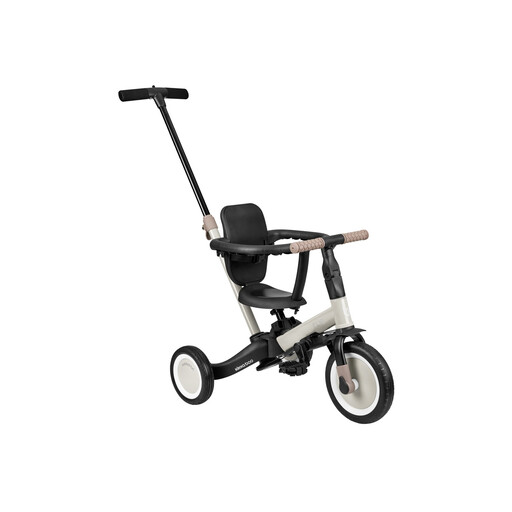
Why it stands out: The Kikka Boo Flip is a prime example of a grow-with-me kids' vehicle. With its five conversion modes, it accompanies children for several years, from push mode to independent riding.
Advantages:
Who is it for? Ideal for families looking for a long-term, versatile solution. This 5-in-1 tricycle flexibly adapts to a child's growing abilities and covers multiple vehicle types in one product.
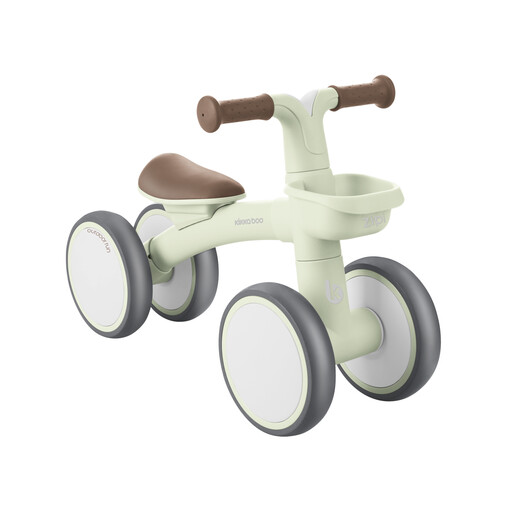
Why it stands out: The Zipi is designed as a first balance bike and is suitable for children as young as one year old. It specifically focuses on developing a sense of balance in preparation for riding a bicycle later on.
Advantages:
Who is it for? This model is the perfect choice for parents looking for a balance bike for ages 1 and up. It is an ideal starter vehicle for laying the motor skill foundations for cycling.
The models presented here already cover a broad spectrum. However, if you are looking for other designs, features, or vehicle types, you will find a larger selection in our category.
? Explore our full range of activity toys
A tricycle with a push handle is generally suitable for children from around 12 to 18 months. However, the specific manufacturer's recommendations and the child's individual development are crucial. In the initial phase, it serves as an alternative to a pushchair, allowing the child to sit upright and actively observe their surroundings.
A grow-with-me tricycle generally refers to models where components like the push handle or safety bar can be removed. A 5-in-1 tricycle is a specific type that can be converted into up to five different vehicle types, such as a balance bike or a small bicycle. It therefore offers greater versatility over a longer period.
Both wheel types have their advantages. EVA wheels (ethylene-vinyl acetate foam) are lightweight, puncture-proof, and maintenance-free. They are excellent for smooth surfaces like pavements or indoor floors. Air-filled tyres offer better cushioning and more comfort on uneven terrain but require regular air pressure checks and are more susceptible to punctures. The choice depends on the intended area of use.