
Lieferung heute & morgen

Qualitätsgarantie

Willkommens-Angebote freischalten: KOSTENLOSE Lieferung | Bis zu 80 % RABATT | Kostenlose 30-Tage-JoyPlus-Testphase
App herunterladen
In a single careless moment, it happens: an unsightly scorch mark or a deep scratch on your new kitchen countertop or heirloom dining table. A good trivet is an indispensable tool in any kitchen, but the selection is vast, and not every product delivers on its promise. Before you make a decision you'll later regret, you should know the most common pitfalls.
Many trivets fail to meet basic requirements. The most common problems include:
To avoid a purchase you'll regret, focus on three objective criteria: material, size, and stability. These factors determine whether a trivet will reliably fulfill its function as countertop heat protection.
The material is the most important factor for effective kitchen heat protection. Each material has specific properties:
The footprint of the trivet must match the size of your cookware. A small, round trivet for a large roasting pan is an unstable and dangerous combination. A trivet for hot pots should always be slightly larger than the base diameter of the pot or pan. A trivet set with various sizes offers the greatest flexibility for everyday kitchen use. Square or rectangular shapes are often more practical for casseroles and baking sheets.
Instead of making blanket recommendations, we have identified products that fit specific user profiles and avoid the pitfalls mentioned.
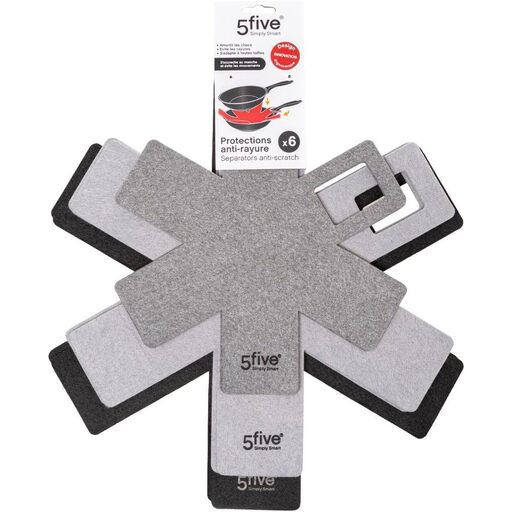
Why It's a Great Fit: Ideal for daily use. The set includes three different-sized mats suitable for various pot and pan sizes. They serve not only as trivets but also as pan protectors when stacking in the cupboard.
The dense polyester felt (600 g/m?) provides reliable heat insulation and completely avoids the pitfall of scratching undersides. The soft material is gentle on any surface.
Set of three sizes (38 cm, 35 cm, 28 cm) for maximum flexibility. Dual-purpose as a trivet and pan protector.
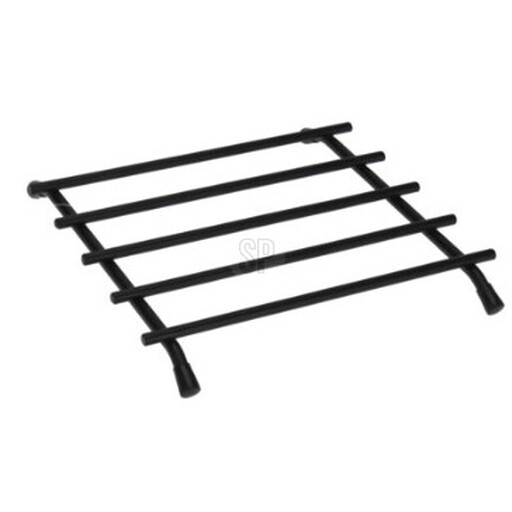
Why It's a Great Fit: For anyone seeking a one-time, permanent solution with a minimalist aesthetic. It fits into any modern kitchen and lasts practically forever.
High-quality stainless steel offers maximum heat resistance, avoiding the risk of melting. The stable, flat construction (20x20 cm) prevents pots from tipping.
Extremely robust and heat-resistant. Hygienic and dishwasher-safe for effortless cleaning.
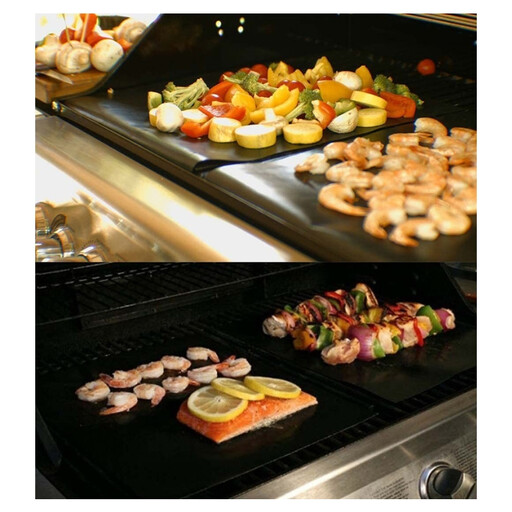
Why It's a Great Fit: For those who want a versatile tool. This mat serves as a large-surface heat protector on the countertop for multiple pots or large roasters, and can also be used as a protective liner in the oven.
Its design as an oven liner guarantees high heat resistance (up to the specified temperature limit). The large, stable surface of approx. 40x30 cm prevents cookware from wobbling.
Dual functionality as a trivet and oven liner. The generous surface provides space for multiple pots or large baking dishes at the same time.
A well-protected workspace is the foundation of any kitchen. Discover more thoughtful solutions that create order and protect your kitchen.
Materials like stainless steel and cast iron generally offer the highest heat resistance. They can absorb heat from pots directly from the stove or oven without being damaged. For silicone, it's important to check the manufacturer's specified maximum temperature, which is often around 230°C (450°F).
That depends on the material. Soft trivets made of felt or flexible silicone are excellent as pan protectors to shield the coating of pans when stacking. Hard trivets made of metal or ceramic are unsuitable for this purpose as they could scratch the surfaces.