
Lieferung heute & morgen

Qualitätsgarantie

Willkommens-Angebote freischalten: KOSTENLOSE Lieferung | Bis zu 80 % RABATT | Kostenlose 30-Tage-JoyPlus-Testphase
App herunterladen
A hot pot straight from the hob, a casserole dish fresh from the oven – in the kitchen and at the dining table, heat-sensitive surfaces are a constant challenge. A good trivet is more than just a decorative accessory; it is an indispensable kitchen essential that prevents costly damage to worktops and tables. However, the market is full of products that promise more than they deliver. Before you make a purchasing decision, it's important to know the most common pitfalls and what really matters.
Many buyers focus solely on design, overlooking crucial functional flaws that can render a product useless or even dangerous.
To avoid a bad purchase, you should check two or three key aspects before making a decision. These determine whether a heat-resistant trivet will reliably fulfil its function as a table protector.
The material is the decisive factor for functionality. Each has specific advantages and disadvantages:
The size of the trivet should match the cookware. A trivet that is too small does not provide a stable surface for large roasting pans or frying pans. A trivet set with different sizes can be a practical solution to be prepared for any situation. Look for a flat, even design that prevents cookware from tipping. For models with feet, they should be wide and non-slip.
Depending on your use case and aesthetic preferences, different products will better suit your needs. Here are some recommendations tailored to specific user profiles.
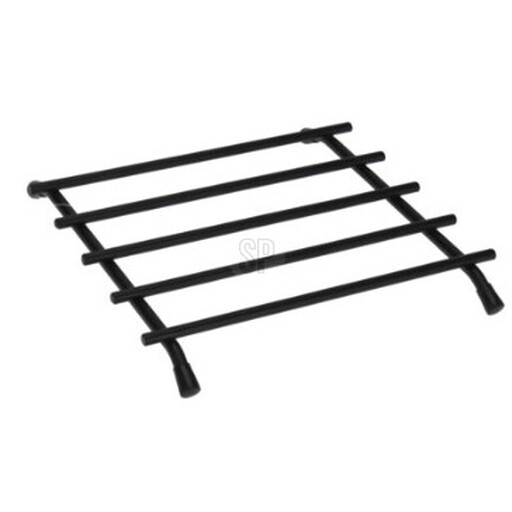
Why this product is a great fit: For cooks who value maximum functionality, durability, and easy cleaning. This trivet is a true workhorse for the kitchen.
The robust stainless steel construction is extremely heat-resistant and does not warp. The 20x20 cm square shape provides a stable base even for large pots and prevents tipping.
Completely dishwasher-safe for maximum hygiene and effortless maintenance. The material is rust-proof and designed for a long service life.
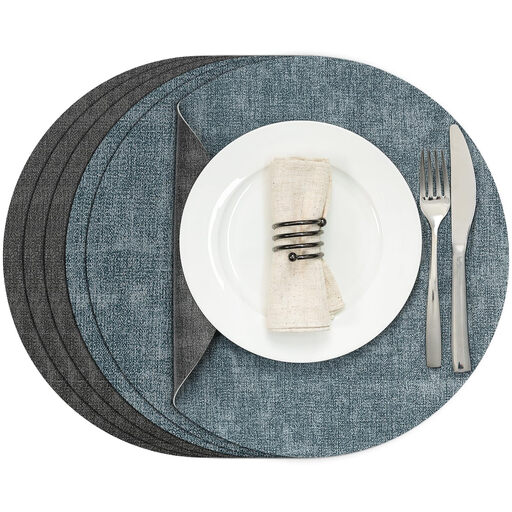
Why this product is a great fit: Ideal for anyone who appreciates elegant table decor and wants a solution that serves as both a placemat and a heat-resistant table protector.
The faux leather material is heat-resistant and reliably protects the table. As it lies flat, there is no instability. The soft surface prevents scratches on delicate tables.
Water- and oil-repellent, making it extremely easy to clean – just wipe it down. The double-sided design also offers creative flexibility.
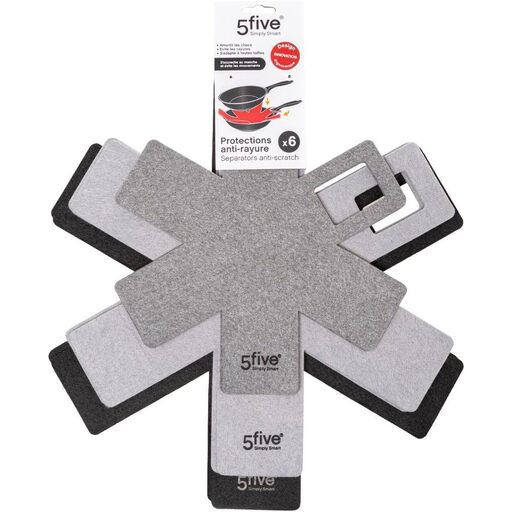
Why this product is a great fit: Perfect for those who seek multifunctional kitchen tools. This set serves as both a trivet and a protector when stacking pots and pans.
The dense polyester felt (600g/m?) provides good heat insulation for use as a trivet. The soft material prevents any scratches on surfaces and on the cookware itself.
The set includes three different sizes, making it extremely versatile. It solves two problems at once: surface protection and scratch-free storage of cookware.
We have compiled a complete, up-to-date list of products that fully meet these strict selection criteria and safety regulations.
In general, stainless steel and silicone offer very high heat resistance. Although stainless steel conducts heat, its construction with feet ensures sufficient distance from the surface. Silicone insulates very well and is typically safe for temperatures up to 230°C, which is sufficient for most household applications.
This depends on the material. Trivets made of pure silicone or stainless steel are generally dishwasher-safe, which makes cleaning very easy. For products made of wood, cork, felt, or faux leather, you should check the manufacturer's instructions. Usually, cleaning by hand with a damp cloth is recommended.
For an average household, a trivet set with two to three pieces is a good starting point. It is advisable to have at least one large, sturdy trivet for heavy roasters and pots near the hob, and one or two more flexible models for the dining table. This allows you to serve several hot dishes at the same time without any issues.