
Lieferung heute & morgen

Qualitätsgarantie

Willkommens-Angebote freischalten: KOSTENLOSE Lieferung | Bis zu 80 % RABATT | Kostenlose 30-Tage-JoyPlus-Testphase
App herunterladen
A good shopping trolley, often called a wheeled shopper, is an enormous convenience in everyday life. It saves you from lugging heavy bags, is easy on your back, and makes weekly shopping on foot or by public transport significantly more comfortable. However, the market is flooded with models of widely varying quality. Before you make a decision, it's crucial to understand the common pitfalls that can quickly turn a supposedly helpful tool into a source of frustration.
Many buyers focus on price or an attractive design, overlooking critical design flaws. Here are the three most common pitfalls to avoid:
To avoid a bad purchase, you should focus on objective and functional characteristics. These three parameters are crucial for the durability and practical utility of your new shopping aid.
The wheels and frame are the core of any trolley. There are significant differences here that directly impact user comfort.
Pay attention to two separate values: the bag's volume in litres and the frame's maximum load capacity in kilograms.
The best trolley is one you enjoy using. Ergonomic details make all the difference. A height-adjustable handle adapts to your body size and promotes an upright posture. Water-repellent materials protect your groceries in the rain, and additional compartments, such as a small zippered pocket for keys and a wallet or an insulated cooler pocket, significantly enhance its practical value.
To help you choose, we have put together a few models based on different user profiles.
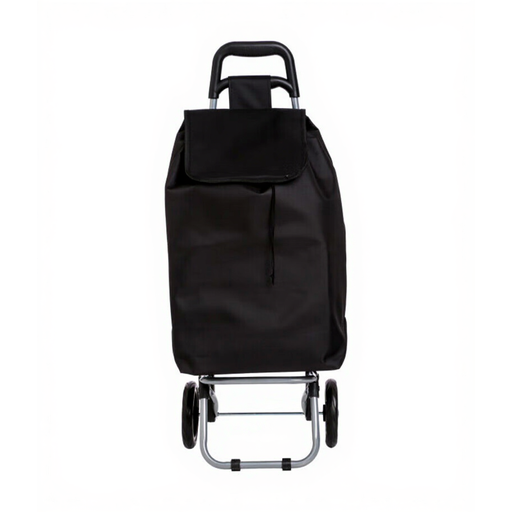
Why This Fits Their Persona: A straightforward and functional solution for occasional shopping on mostly flat surfaces. Ideal for students or as a secondary trolley when you don't need to handle heavy loads or stairs.
This model avoids the pitfall of a completely unstable frame by using a simple yet solid steel frame that is sufficiently sturdy for its intended use.
Solid value for money for basic needs. The satin fabric bag is removable and easy to clean.

Why This Fits Their Persona: Perfect for people living in the city who regularly need to transport groceries up stairs. The special wheel design makes the trip to an upper-floor apartment much easier.
This model specifically solves the problem of inadequate wheels with its stair-climbing mechanism. Instead of failing at steps, the wheels climb them effortlessly.
Effortlessly overcomes stairs and high curbs. The frame is also foldable, and the ergonomic handle ensures comfort.
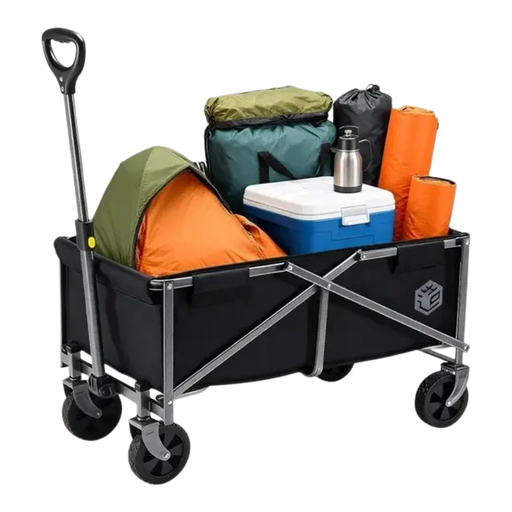
Why This Fits Their Persona: Ideal for family outings, camping, transporting beverage crates, or big shopping trips at the farmer's market. This foldable wagon is a versatile all-rounder for heavy and bulky loads.
It avoids the trap of misleading load capacity claims with a clearly defined maximum load capacity of 100 kg and a stable four-wheel design that prevents tipping with heavy cargo.
Very high load capacity and large volume (75 L). The 360° swivel wheels make it extremely manoeuvrable, and it folds down in seconds.
We have compiled a complete, up-to-date list of products that fully meet these strict selection criteria and European safety standards.
Maintenance is straightforward. Regularly clean the frame and wheels with a damp cloth to remove dirt. Most bags are removable and can be washed by hand or according to the manufacturer's instructions. Occasionally check that all screws are still tight and, if necessary, lubricate the wheel axles with a little silicone spray to keep them running smoothly.
Yes, the wheels on a stair-climbing model work perfectly well on flat surfaces. They roll just like normal wheels. Their unique advantage only comes into play when navigating steps. On very smooth floors, they might be slightly louder than large, single rubber wheels due to their design, but they offer a clear advantage in urban environments with many curbs and steps.
These two values describe different properties. The volume in litres (L) indicates how much space the bag can hold—that is, how much room is available for light but bulky items like toilet paper or crisps. The maximum load capacity in kilograms (kg) defines how much weight the frame and wheels can withstand. This is crucial for heavy items like beverage bottles, canned goods, or potatoes. A good trolley has a balanced ratio of both values.