
Lieferung heute & morgen

Qualitätsgarantie

Willkommens-Angebote freischalten: KOSTENLOSE Lieferung | Bis zu 80 % RABATT | Kostenlose 30-Tage-JoyPlus-Testphase
App herunterladen
As a Joybuy Product Recommendation Officer, I see the growing desire for new taste experiences every day. Tropical drinks promise a small escape from the everyday. However, not every colourful label delivers on its promise. Many products turn out to be overly-sugared disappointments with artificial flavouring. This guide will help you avoid the most common pitfalls and specifically find products that offer an authentic, exotic drinking experience.
Before you make a purchase, you should be aware of three common marketing ploys that often lead to disappointment.
To make an informed decision, you should check two to three core features. These objective criteria will help you quickly assess the quality of a tropical drink.
The labels on the packaging are legally defined and provide the most important clue about quality.
Many Asian drinks are distinguished by their unique texture. If you are specifically looking for drinks with fruit pieces, look for the ingredient nata de coco.
Nata de coco is a firm, slightly translucent jelly produced by the fermentation of coconut water. It has a subtle flavour of its own and absorbs the aroma of the surrounding juice. High-quality nata de coco offers a pleasant chewing experience. So, the next time you want to buy Mogu Mogu, you'll know this ingredient is responsible for its characteristic texture.
Here are a few recommendations tailored to different preferences and profiles.
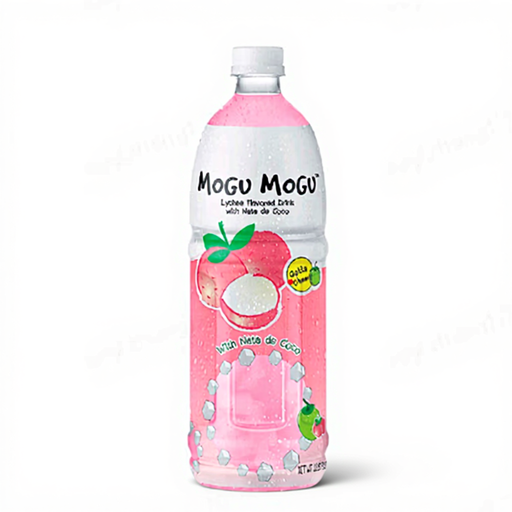
Why This Fits Their Persona: Ideal for anyone seeking an interactive drinking experience. The combination of sweet lychee juice and firm nata de coco pieces offers more than just a thirst quencher—it's a beverage with a fun, textural component.
This drink avoids the "texture disappointment" pitfall because the nata de coco pieces are its central feature, boasting a pleasantly firm consistency.
Unique chewing experience from nata de coco; authentic, refreshing lychee flavour.
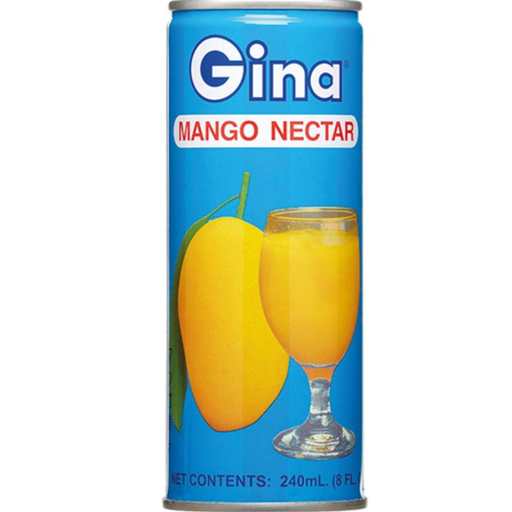
Why This Fits Their Persona: Perfect for those who seek the pure, unadulterated taste of mango. This drink focuses on one main ingredient, delivering an intense, fruity experience without any distractions.
With a fruit pulp content of 35% mango purée, it clearly avoids the "fruit flavour" trap. Here, you taste the real fruit, not just an aroma.
Exceptionally high fruit content; thick, nectar-like consistency for a rich mouthfeel.
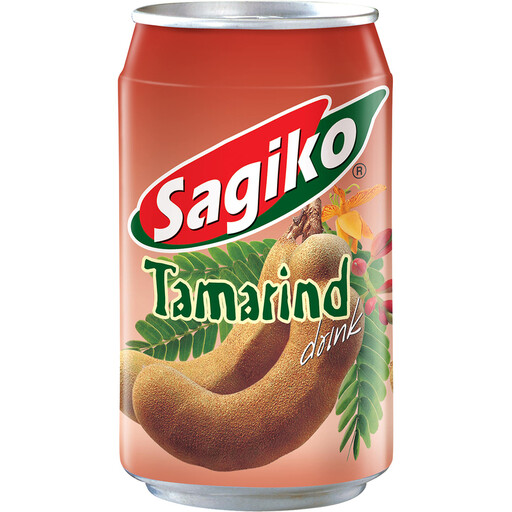
Why This Fits Their Persona: For anyone tired of mango and pineapple who is looking for a truly new flavour profile. Tamarind is popular in Asia and Latin America, offering a fascinating balance of sweet and sour.
This drink escapes the trap of generic sweetness by relying on the characteristic taste of tamarind extract, delivering a distinctive and uncommon flavour.
Unique sweet-and-sour flavour profile; a refreshing change from the usual tropical fruit varieties.
We have compiled a complete, up-to-date list of products that fully meet these strict selection criteria and quality standards.
1. How should I store tropical drinks correctly to preserve their flavour? Unopened bottles or cartons should be stored in a cool, dry place away from direct sunlight. After opening, the drink belongs in the refrigerator and should be consumed within a few days (usually 2-3) to maintain its freshness and aroma. For drinks with fruit pieces, it's a good idea to shake them gently before opening.
2. What does nata de coco mean in Asian drinks? Nata de coco is a firm, jelly-like ingredient produced through the bacterial fermentation of coconut water. It has a neutral flavour base and absorbs the aroma of the liquid it's in. In many Asian drinks, it provides a unique, chewable texture, turning the act of drinking into a special experience.
3. Are exotic fruit juices healthier than regular juices? Not necessarily. The health value of a juice depends on objective factors like fruit content, added sugar, and processing, not the origin of the fruit. A mango nectar with a high sugar content is not inherently a better choice than a local apple juice with no added sugar. The key is always to compare the nutritional information and the ingredients list on the label.