
Lieferung heute & morgen

Qualitätsgarantie

Willkommens-Angebote freischalten: KOSTENLOSE Lieferung | Bis zu 80 % RABATT | Kostenlose 30-Tage-JoyPlus-Testphase
App herunterladen
Whether for the commute, the gym, a hike or relaxing at home: trousers for women and men differ markedly in cut, materials and intended use. A pair that looks the part can still prove impractical day to day – for instance if the waistband slips, pockets are too small or the fabric doesn’t suit the weather.
Labels like “breathable”, “weatherproof” or “extra durable” mean little on their own. What matters are verifiable details:
Without concrete figures or material details, it’s hard to judge how suitable they’ll be in everyday use.
Sizes like L or XL aren’t the same across all brands. Some charts follow EU sizes, others use waist measurements in inches or specify body height and inside leg length. A poor size choice can restrict movement, especially with leggings with pockets, yoga trousers and slim-cut outdoor trousers.
Before you buy, compare your waist, hip, inside leg and desired fit with the product’s size guide. For overtrousers, also check whether you plan to wear regular trousers underneath.
A windproof trouser isn’t automatically waterproof. An insulated cycling trouser keeps you warm, but doesn’t necessarily replace a certified motorcycle protective trouser. With protective clothing, look for a clear standard, the intended protection area and correctly positioned protectors. A product description is no substitute for checking the labelling and the manufacturer’s instructions.
For everyday wear, cotton blends are often comfortable and easy to care for. According to the product information, Urban Classics Sweatpants are made from 80 % cotton and 20 % polyester. The model features an elasticated waistband with drawcord and is designed for machine washing at 30 °C.
For colder conditions, a fleece lining can be useful. The baleaf men’s cycling trousers mention a soft fleece lining, an elasticated waistband with internal drawcord and reinforced knee panels. Zips at the leg hems can make them easier to wear over boots.
Stretch fabrics are ideal for yoga, training and active leisure. According to the description, the baleaf flared leggings are made from 87 % polyester and 13 % elastane with a four-way stretch. Two deep side pockets are designed for your mobile phone, cards or keys.
With waterproof trousers, the hydrostatic head is a technical comparison value. The 10,000 mm stated for the BALEAF women’s waterproof trousers is the water pressure rating quoted by the manufacturer. Breathability of 10,000 g/m² is also stated. Always consider these figures alongside taped seams, zips and care.
According to the product information, the BALEAF rain overtrousers have fully sealed seams, waterproof zips, an adjustable waistband and wide hook-and-loop tabs at the hems. This allows them to be worn over a base trouser. The care instructions recommend regular retreatment of the water-repellent outer.
Pockets are more than a style choice. For daily use, check they’re large enough and that the fastening suits how you’ll use them. Cargo trousers offer additional thigh pockets; the Urban Classics Camouflage Cargo Pants list two cargo pockets, a button-and-zip fly and a regular fit.
For sport and leisure, elasticated waistbands and drawcords are practical. A loose-cut leisure trouser can provide freedom of movement, while a slimmer training trouser will flap less when cycling or running. Decide the fit you want before you buy: close-fitting, regular, relaxed or overtrousers.
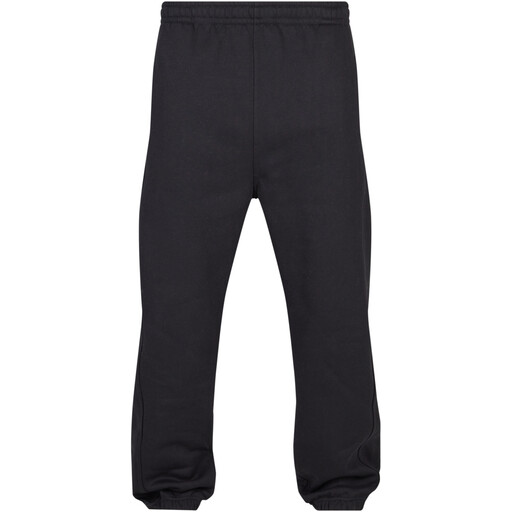
Why this product fits the profile: These sweatpants suit everyday wear, home and relaxed downtime when you want a fuss-free cut with an elasticated waistband.
Material composition, care instructions and waistband construction are clearly stated, making it easier to compare with other joggers.
80 % cotton, 20 % polyester plus elasticated waistband with drawcord; machine wash at 30 °C according to the product information.

Why this product fits the profile: For commuters, hikers and cyclists looking for lightweight waterproof overtrousers with clear technical figures.
The product states a 10,000 mm hydrostatic head, 10,000 g/m² breathability, taped seams and waterproof zips, rather than vague weather claims.
Lightweight, packable design with adjustable waistband and hems; designed to be worn over other clothing according to the description.
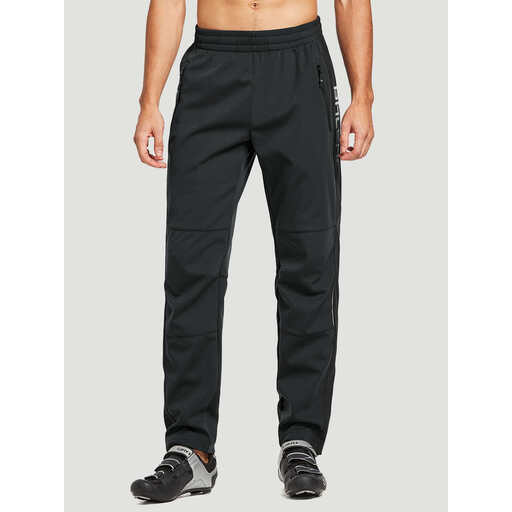
Why this product fits the profile: Aimed at users who want warmth, storage and adjustable hems for cycling, hiking or outdoor activities.
The description clearly differentiates between fleece lining, wind protection, reflective details and reinforced knees, so each function can be assessed on its own merits.
Two zipped pockets, reflective elements, reinforced knee sections and zips at the leg hems, according to the product details.
We’ve compiled a complete, continuously updated list of products that fully meet these strict selection criteria and the safety regulations applicable in the EU.
How long trousers last depends heavily on the material, how you use them and how you care for them. Always follow the care label. Common rules of thumb:
For motorcycle protective trousers, remove any detachable protectors as instructed. Before each use, check seams, hard shells and fastenings. For use on public roads, the applicable legal requirements and the labelling of the specific product are decisive.
For short trips, windproof outdoor trousers may suffice. In persistent rain, waterproof overtrousers with a stated hydrostatic head, taped seams and adjustable cuffs are more practical. Make sure there’s enough room underneath to move freely.
Measure your waist and hips close to the body and compare both measurements with the size chart for that item. For hiking and cycling trousers, also check the inside leg. Overtrousers should fit over your planned base layer without pulling at the knees or seat.
The terms are often used interchangeably. Joggers and sweatpants are typically made from soft cotton or blends and prioritise comfort and leisure. Training trousers more often use lighter, stretchier or moisture-wicking fabrics and are geared more towards movement. Concrete fabric and fit details remain the deciding factors.