
Lieferung heute & morgen

Qualitätsgarantie

Willkommens-Angebote freischalten: KOSTENLOSE Lieferung | Bis zu 80 % RABATT | Kostenlose 30-Tage-JoyPlus-Testphase
App herunterladen
By: Joybuy Product Recommendation OfficerDate: 2026-07-10
Anyone who wants to prepare authentic Korean dishes at home often faces a challenge: finding the right ingredients. When it comes to Tteokbokki rice cakes, in particular, the selection can be overwhelming. Different shapes, ingredient lists, and preparation methods can make the decision difficult.
This guide is here to help. We'll introduce various types of Korean rice cakes and explain the key differences to help you find the perfect product for your culinary needs. Our goal is to provide you with an informed basis for your purchasing decision.
To buy the right Korean rice cakes, there are a few key criteria to consider. These will help you objectively evaluate the product features.
The shape of the rice cakes is crucial for the dish's success.
A look at the Tteokbokki ingredients list is revealing. Some products contain a small amount of alcohol, which acts as a natural preservative to extend the rice cakes' shelf life.
For those who avoid alcohol for dietary, religious, or personal reasons, there are alternatives explicitly labelled as alcohol-free rice cakes. These often use other preservation methods, such as acidity regulators (e.g., citric acid), to ensure freshness.
Texture is a key quality indicator for Tteok. Good rice cakes have a pleasantly chewy, but not rubbery, consistency. The preparation instructions on the packaging provide insight into how to achieve this result. Some products need to be briefly soaked in cold water before cooking to separate them and make them more pliable. Others can be added directly to the boiling sauce or soup.
Here is a selection of rice cake products that stand out for their shape, ingredients, and uses.
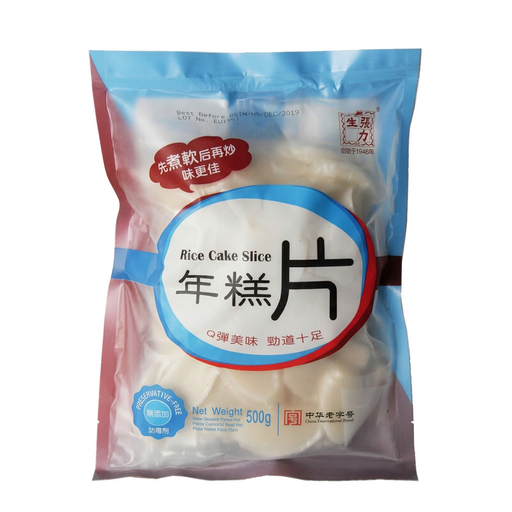
Chang Li Sheng Rice Cake Slices 500g
Why It Stands Out: This product offers rice cake slices that are distinguished by their versatility. The traditional production method aims to preserve the natural rice flavour.
Pros:
Who It's For: Ideal for cooks preparing Korean rice cake soup (Tteokguk) or looking for a quick-cooking ingredient for hot pot and wok dishes.
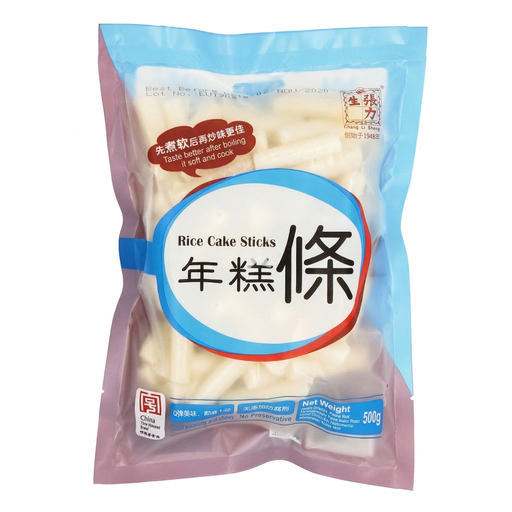
Why It Stands Out: These rice cakes come in the classic cylindrical shape (Garaetteok) needed for Tteokbokki. Their texture is described as particularly springy and chewy.
Pros:
Who It's For: Perfect for Korean cuisine enthusiasts who want to authentically recreate the iconic street food dish Tteokbokki at home.
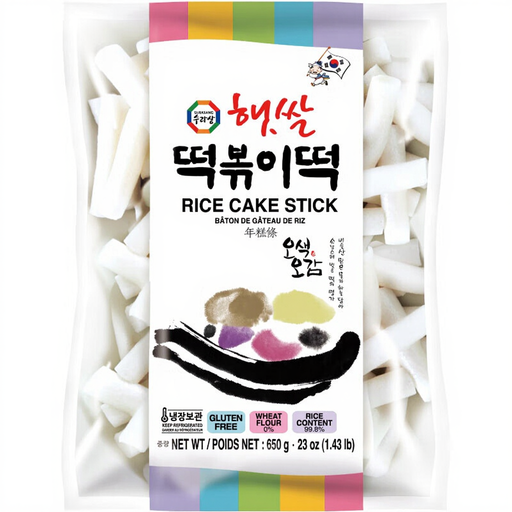
Surasang Rice Cake Stick 650g (Alcohol-Free)
Why It Stands Out: This product is explicitly formulated as alcohol-free rice cakes. It is made in South Korea and provides an authentic base for various dishes.
Pros:
Who It's For: An excellent choice for those who consciously avoid alcohol in their food without compromising on the authentic texture and taste of Tteokbokki rice cakes.
The world of Asian noodles and snacks is vast. If the products featured here aren't exactly what you're looking for, or if you simply want to browse, you can find more alternatives in our collection.
? Explore our entire selection of snack noodles here
Tteok (?) is the general Korean term for rice cakes, which covers a wide variety of shapes, sizes, and preparation methods. Garaetteok (???) specifically refers to the long, cylinder-shaped rice cakes, which are used either in this form or cut into slices (for Tteokguk). For the dish Tteokbokki, the cylindrical Garaetteok are used.
After opening the package, the rice cakes should be stored in the refrigerator, preferably in an airtight container to prevent them from drying out. Follow the manufacturer's instructions on the packaging, which usually recommend prompt use within a few days. Some types of rice cakes are not suitable for freezing, as this can affect their texture.
That depends on the specific product. Fresh or refrigerated rice cakes can often be used directly. Harder, vacuum-packed rice cakes sometimes benefit from a brief soak in cold water for about 10–20 minutes. This makes them more pliable and helps separate the individual sticks. Checking the preparation instructions on the package provides the most reliable guidance.