What should you look for when buying?
Choose a capacity that suits your usual loads, and check the relevant programme for larger individual items. If you use the dryer frequently, include Eco energy consumption in the same comparison.
| What matters |
What to check before buying |
Especially important for |
| Large cotton items |
Check the rated capacity, as well as the permitted load and features of the programme you want to use. |
If you often dry duvet covers or other bulky items, drum size is only part of the picture. Check whether the model has a suitable programme or reversing function. Around 36% of consumers put large items of laundry first. |
| Energy consumption |
Compare kWh per 100 Eco cycles and capacity on the same label basis. |
If you often use the dryer in winter, compare running costs with your own usage. Bear in mind that a large drum may regularly be only partly filled when drying smaller loads. Around 29% of consumers prioritise energy use while the appliance is running. |
| Fabric care |
Check the care label on each item and follow the permitted temperature and recommended programme. |
If your bedding, fillings or mixed fabrics have different care requirements, the individual care label will tell you whether and how an item can be tumble-dried. Around 21% of consumers focus primarily on differing fabric care requirements. |
| Space and maintenance |
Check the appliance dimensions, door access, condensate drainage and cleaning instructions. |
If space is tight or you have little time for appliance maintenance, make sure you know where the dryer will go and which filters need regular cleaning. Around 14% of consumers prioritise space or maintenance requirements. |
Joybuy products
The Joybuy models below are freestanding heat pump tumble dryers with a rated capacity of 8 or 9 kg. Bedding programmes and drum movements vary by model, so check whether the programme is suitable for the specific item you want to dry.
 No image available
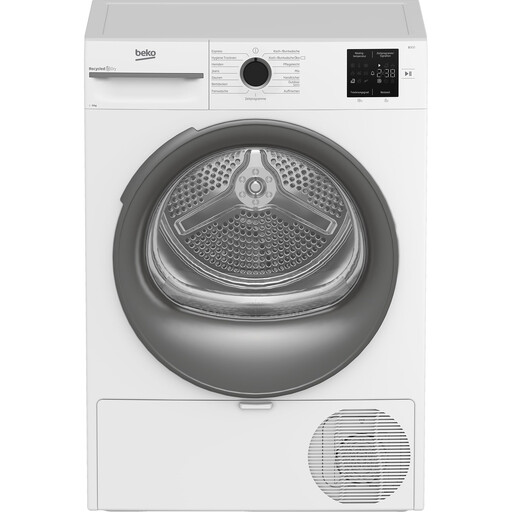
Beko BM3T39210W1, 9 kg
For larger loads, check the stated capacity and the listed programmes for bulky fabrics.
9 kg heat pump tumble dryer with 15 programmes; the product information lists bedding and duvets as examples.
View at Joybuy
 No image available
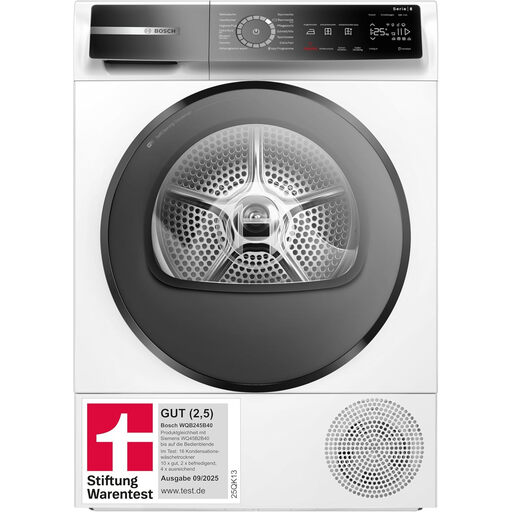
Bosch WQB245B40 Serie 8, 9 kg
This model may suit frequent bedding loads, provided the listed programme and its load limits are right for your fabrics.
9 kg; bedding programme and reversing drum. AutoDry and a self-cleaning condenser are also listed.
View at Joybuy
 No image available
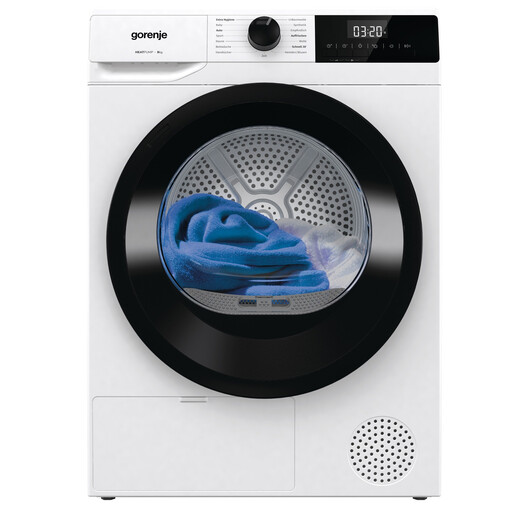
Gorenje DHNE82, 8 kg
If you regularly dry bedding, check the listed Bedding XL programme and its load limit.
8 kg heat pump tumble dryer; the product information also lists a reversing drum.
View at Joybuy
 No image available
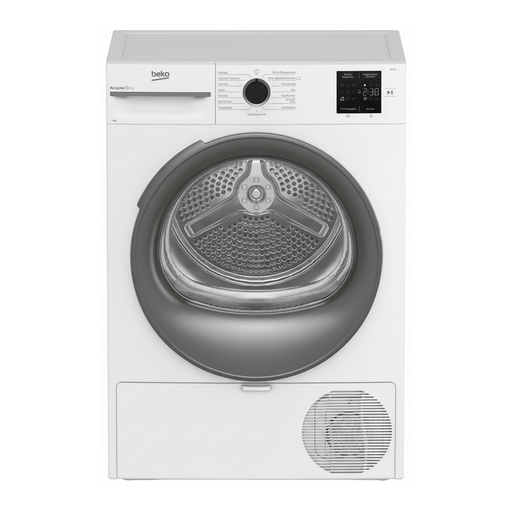
Beko BM3T38210W1, 8 kg
The specifically listed programmes for bedding and down give you a useful starting point if you regularly dry these fabrics at home.
8 kg; the product information lists programmes for Bedding and Down. Stated dimensions: 54,5 × 59,8 × 84,6 cm.
View at Joybuy
 No image available
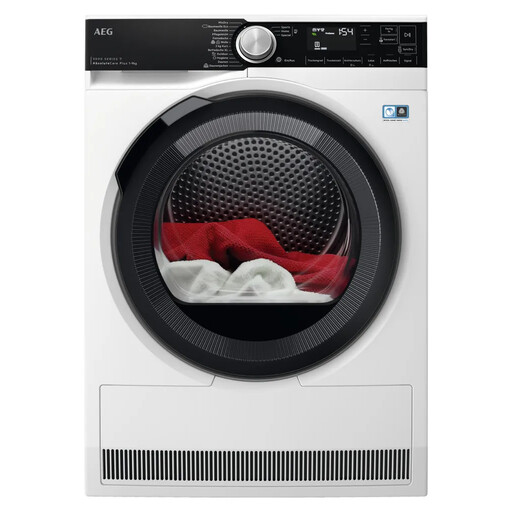
AEG TR9W80690 Serie 9000, 9 kg
For larger fabrics, check the listed Bedding programme and the relevant requirements for fabric type and load size.
9 kg; the product information lists Bedding and MixDry, as well as dimensions of 850 × 596 × 663 mm. According to the description, the filter should be maintained after every use.
View at Joybuy
Frequently asked questions
Is a 9 kg rated capacity enough for every duvet?
No. Rated capacity alone cannot tell you whether a particular duvet is suitable. Check its care label and the permitted load and fabric type for the programme you want to use. A bedding programme does not mean every filling is suitable.
What should I check before installing and while using the dryer?
Check the appliance dimensions against the available space and doorway, and find out how condensate is emptied or drained away. Clean the specified filters according to the instruction manual; built-up fluff can affect the appliance’s operation and become a fire hazard.
How do I compare energy use, and what should I do if the appliance develops a fault?
To compare appliance energy use, check the kWh per 100 Eco cycles on the current label and take your usage and electricity tariff into account. The label figure does not show the energy used for every individual load. If the appliance is faulty, remember that your statutory rights against the seller are separate from any voluntary guarantee, as Verbraucherzentrale explains.
Which energy label applies to tumble dryers in Germany?
Since 1 July 2025, this product group has used the EU label with classes from A to G. According to the European Commission, it must also be shown when the appliance is sold online. A figure such as A+++ on its own is not directly comparable with the current scale.
Can I put an old tumble dryer in household rubbish?
No. The Umweltbundesamt lists separate return options, including local collection points. When you buy a new, similar large appliance, it also describes free take-back, including for online purchases delivered to your home.


