What should you look for when buying?
| Buying consideration |
What to look for |
Who is this particularly relevant to? |
| Getting small loads dry in time |
Check the maximum load, suitable fabrics and target dryness level for the short or small-load programme in the manual. |
If only a few school clothes need to be dry by the morning after a rainy day, it’s important to me that the programme, fabric type and load size are a good match. Around 36% of consumers prioritise getting small loads dry in time. |
| Electricity consumption with frequent use |
Compare the current EU energy label and product information sheet for the same model, and take your own usage frequency into account. |
If you often dry small loads, you’ll want to factor the appliance’s energy consumption into your running costs. Around 29% of consumers put low running costs first. |
| Mixed and delicate clothing |
Check care labels and the temperature, fabric and load limits for the programme you choose. |
If school clothes are made from different materials, I want to dry each item according to its care label. Around 21% of consumers prioritise drying that’s suitable for the fabric. |
| Installation and ongoing maintenance |
Check the dimensions, condensate drainage or exhaust route, and access to the fluff filter. |
If space is limited or you run the appliance frequently, it needs to fit where you plan to install it and be easy to maintain day to day. Around 14% of consumers prioritise installation options and manageable maintenance. |
Since 1 July 2025, household tumble dryers sold in Germany must display the EU energy label with its A-to-G scale. The European Commission notes that the former A+++ to D scale is not an equivalent, current benchmark.
Joybuy products for small, frequent loads
The following Joybuy products are heat-pump tumble dryers. For each model, check that the programmes, fabric types and load limits are suitable for your small loads of school clothes.
 No image available
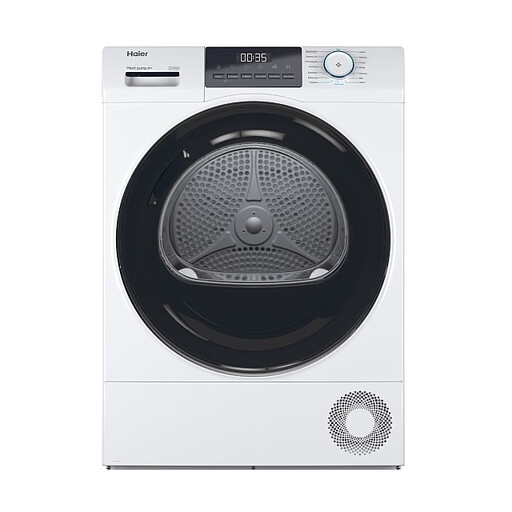
Haier I-Pro 1 HD80-E929E-DE heat-pump tumble dryer, 8 kg
The listed sensor drying feature may appeal if you’re looking for the drying cycle to end automatically.
- Heat-pump tumble dryer with an 8 kg rated capacity
- Sensor drying and several drying programmes
View at Joybuy
 No image available
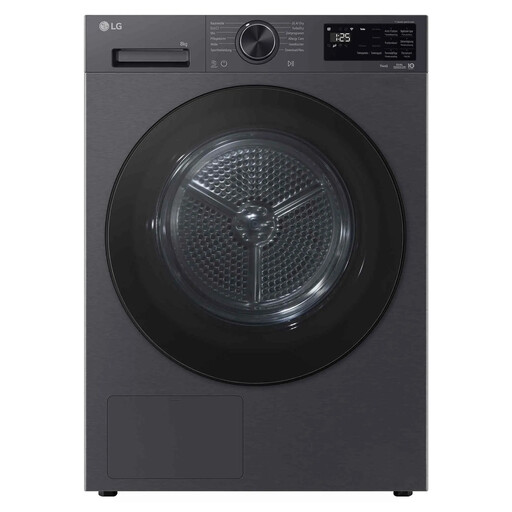
LG RT80X7B heat-pump tumble dryer, 8 kg
The listed programmes for mixed loads, wool and easy-care fabrics may be useful for households with different tumble-dryer-safe textiles.
- Heat-pump tumble dryer with an 8 kg rated capacity
- AI Dry, mixed-load, wool and easy-care programmes
View at Joybuy
 No image available
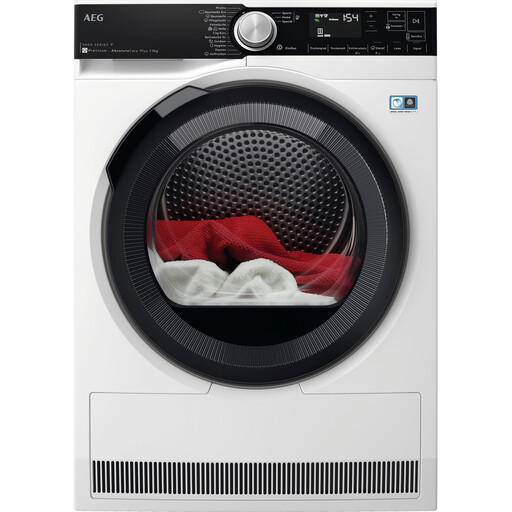
AEG TR9DW80690 heat-pump tumble dryer, 9 kg
The listed 3 kg quick programme makes this model worth considering if you often dry small loads.
- Heat-pump tumble dryer with a 9 kg rated capacity
- 3 kg quick programme and ProSense
- MixDry, wool/handwash and delicates programmes
View at Joybuy
 No image available
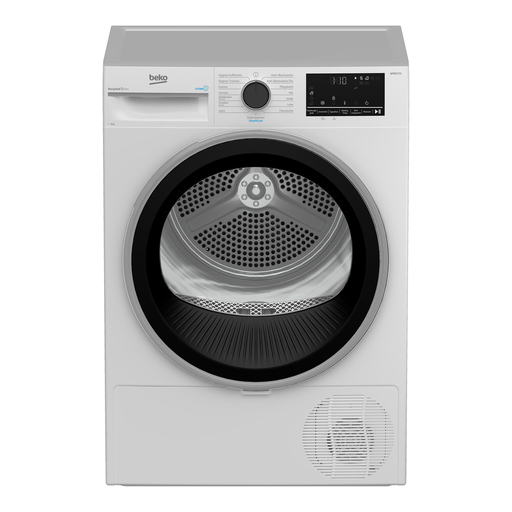
Beko B5TD6821B heat-pump tumble dryer, 8 kg
The listed programmes for delicate, outdoor and sportswear fabrics may be useful for school clothes made from these materials.
- Heat-pump tumble dryer with an 8 kg rated capacity
- 15 programmes and sensor drying
- Programme for delicate fabrics and outdoor/sportswear
View at Joybuy
 No image available
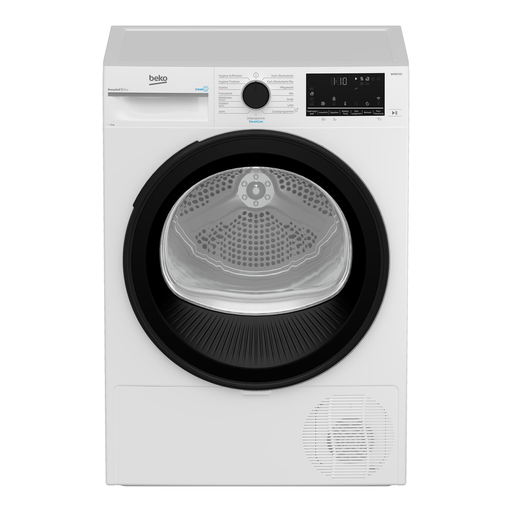
Beko B7TDT8820A heat-pump tumble dryer, 8 kg
The listed mixed-load programme may be useful for suitable mixed loads, but care labels and programme instructions should always take priority.
- Heat-pump tumble dryer with an 8 kg rated capacity
- 15 programmes and sensor drying
- Mixed-load, easy-care and delicates programmes
- Delay start of up to 24 hours
View at Joybuy
Frequently asked questions
Does a 40-minute programme mean school clothes will be ready to wear after 40 minutes?
Not necessarily. Bosch describes the 40-minute programme on the WQA233C9K as suitable for small loads of synthetics and lightweight fabrics. Check the fabric type, load limit and desired dryness level for the specific model.
How can I tell if an item of clothing can go in the tumble dryer?
The care label shows whether an item can be tumble dried and whether a low temperature is recommended. A delicate-care programme doesn’t override a tumble-drying ban on the label.
Which energy label must an appliance sold in Germany display?
Since 1 July 2025, household tumble dryers sold in shops and online must display the EU A-to-G scale. The European Commission distinguishes it from the former A+++ to D scale, so compare product information on the same labelling basis.
What should I check where I plan to install the tumble dryer, and how do I maintain it?
A vented tumble dryer needs an outlet to the outside. Also check the appliance dimensions, condensate drainage and access to the fluff filter. Bosch recommends cleaning the fluff filter after every drying cycle.
Is a washer-dryer a good option if space is limited?
A washer-dryer can save space, but the Verbraucherzentrale considers it less energy efficient. If you’ll be drying frequently, compare the washing and drying capacities and the relevant energy consumption figures for the specific appliance.


