What should you look for when buying?
First, check that the programme and load are suitable for your fabrics. Then compare running costs, noise levels and drum size in light of your shared-flat routine.
| Consideration |
What to check before buying |
Who is it most relevant to? |
| Fabric-appropriate drying |
Check the care symbols, programme and permitted load in the model’s manual. |
If you often tumble dry performance clothing, the programme and temperature should match the care label on each item. Around 33% of consumers put fabric care first. |
| Shared energy bills |
Compare kWh per 100 Eco cycles on the current label, then assess your usage separately. |
If you split the energy bill, a clear energy-use figure is important for working out how to share the costs. Around 27% of consumers focus first on shared energy bills. |
| Noise in your living space |
Consider the noise level in dB(A), where the appliance will stand and when you can use it. |
If the dryer is near living or working areas, you’ll want to take your housemates’ quiet hours into account. Around 20% of consumers put operating noise first. |
| Load size and availability |
Compare your usual load sizes, programme limits, appliance dimensions and programme duration. |
If you regularly have both small sportswear loads and larger loads of laundry, the drum should suit the way you typically use it. Around 20% of consumers prioritise suitable load sizes and appliance availability. |
Joybuy products
This selection includes heat pump tumble dryers, as well as compact and portable dryers. Whichever type you choose, check that the programmes, load size and care labels are suitable for your sportswear.
 No image available
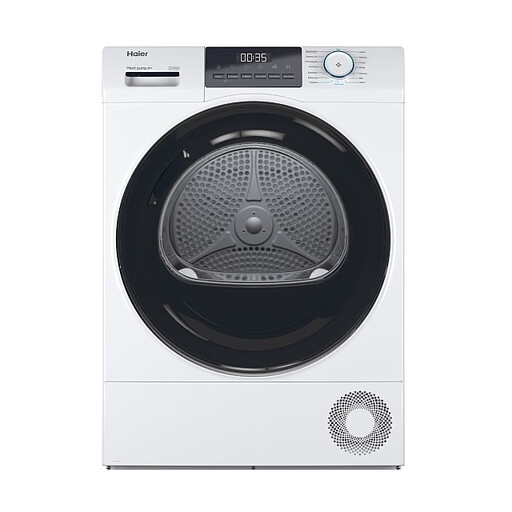
Haier I-Pro 1 HD80-E929E-DE, heat pump tumble dryer, 8 kg
The stated rated capacity of 8 kg may be useful for shared loads; check that it suits the amount of laundry you usually have.
The product name specifies an 8-kg capacity and heat pump technology.
View at Joybuy
 No image available
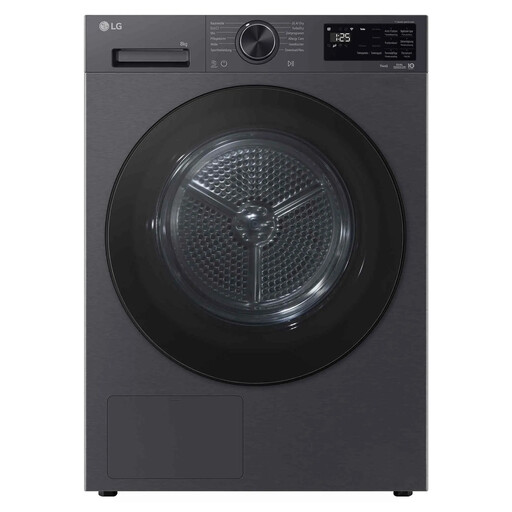
LG RT80X7B, heat pump tumble dryer, 8 kg
You can compare the stated capacity of 8 kg with the loads you typically have in your shared flat.
The product name describes it as a freestanding heat pump tumble dryer with an 8-kg capacity.
View at Joybuy
 No image available
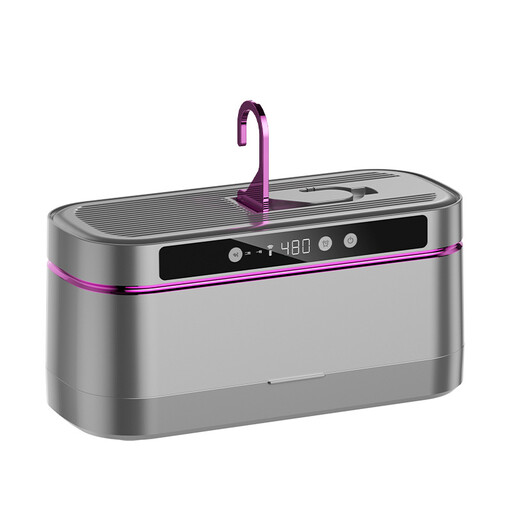
Home Dryer, compact clothes dryer
If you’re considering a compact design, check before buying that its construction and intended programmes are suitable for your fabrics and how you plan to use it.
View at Joybuy
 No image available
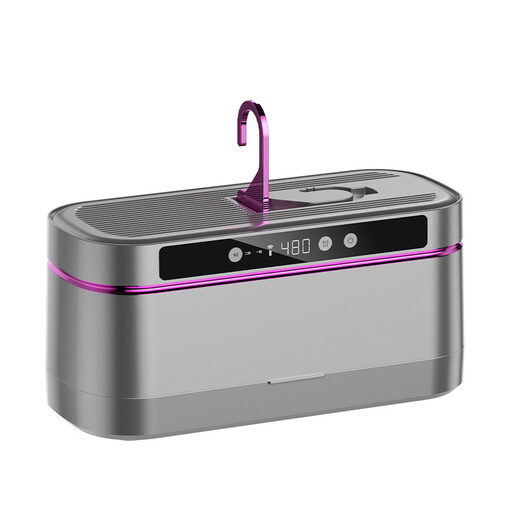
Portable tumble dryer for home and travel
For a portable model, check that its design and intended use suit your fabrics and the space you have available.
View at Joybuy
 No image available
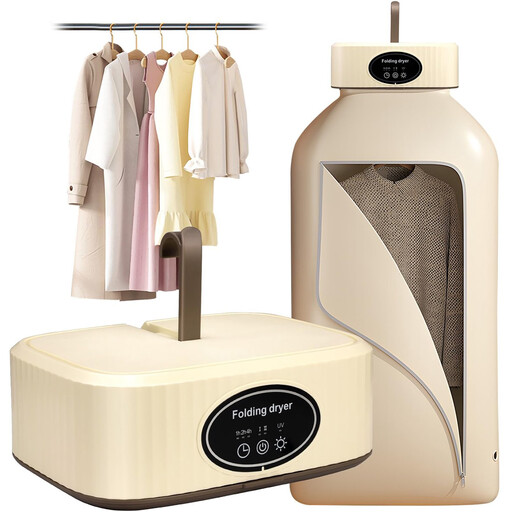
Portable tumble dryer, 600 W, with timer
The product name lists timer settings of 1, 2 and 4 hours. Check whether these options suit the way you plan to use it.
The product name specifies a power rating of 600 W.
View at Joybuy
Frequently asked questions
Can every sportswear item go on the Sports programme?
No. First check the tumble-drying symbol on each garment: GINETEX distinguishes between normal tumble drying, gentle drying at a low temperature and items that must not be tumble dried. An appliance programme doesn’t override the care label.
How can we compare running energy costs?
Take the kWh per 100 Eco drying cycles from the current label, divide by 100, then multiply by the number of cycles you expect to run and your electricity price per kWh. This gives you a comparison based on the Eco programme; it doesn’t guarantee how much a Sports programme will use.
Which energy label applies to tumble dryers in Germany?
Since 1 July 2025, the EU A to G scale has applied to household tumble dryers covered by the scheme, both in shops and online. The former classes with plus signs are not directly comparable with the current rating system. The label doesn’t require your shared flat to buy an appliance in a particular class.
What should someone in the shared flat do after a drying cycle?
Agree who will check the filter and water container, following the appliance manual. Bosch recommends cleaning the fluff filter after every drying cycle on its tumble dryers; other cleaning tasks depend on the model.
Does a heat pump tumble dryer need an exhaust vent to the outside?
A condenser tumble dryer, including a heat pump condenser dryer, doesn’t need an exhaust vent to the outside; the condensed water is collected or drained away. A vented tumble dryer does need an outlet to the outside. Also check the installation requirements for the model you choose.


