What should you look for when buying?
First check which fabrics can go in the tumble dryer together, then compare capacity, energy labelling and maintenance requirements with the way you usually do your laundry.
GINETEX GERMANY, provided by the Verbraucherzentrale, explains the different tumble-drying care symbols. The Umweltbundesamt recommends a drum size suited to the size of your household; since 1 July 2025, the European Commission has used the EU A–G scale for tumble dryers.
| What matters |
What to check when buying |
Who is this important to? |
| Towels and mixed laundry |
Check the care labels on all items, as well as the programme and its permitted load. |
If I want to dry suitable towels with suitable clothes, it’s important to know which items can actually go in together for one cycle. Around 36% of consumers put this at the top of their list. |
| Energy consumption |
Compare current EU labels and consumption figures on the same basis. |
If I use my tumble dryer frequently, I want to understand how its energy consumption will affect my running costs. Around 29% of consumers prioritise electricity costs when choosing. |
| Capacity |
Compare your usual laundry load with the maximum capacity and programme limits. |
If I alternate between full weekly loads and smaller loads in between, I need a capacity that suits both. Around 21% of consumers focus mainly on this balance. |
| Installation and maintenance |
Check the appliance dimensions against the space available and read the care instructions for the specific model. |
If space is limited or I want easy access to the filters, installation and regular maintenance are key considerations for me. Around 14% of consumers put these points first. |
Joybuy products at a glance
The following heat pump tumble dryers are worth considering if you’re looking for a model for towels and weekly laundry that are suitable for tumble drying. Compare their stated capacity and energy class with your typical loads, and check the care labels on your fabrics before drying.
 No image available
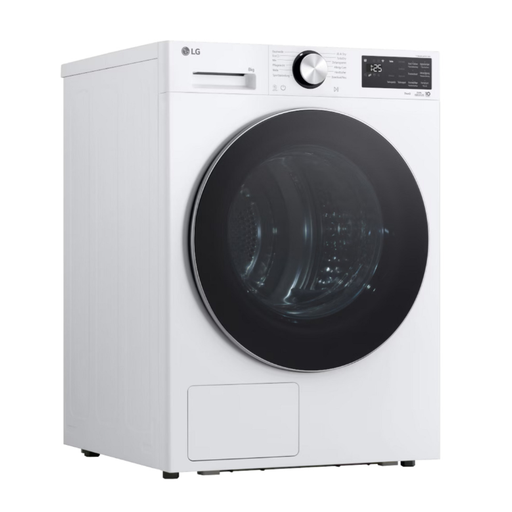
LG RT80X72W, 8 kg, energy class B
An option if you’re looking for a heat pump tumble dryer with an 8 kg capacity and a stated energy class B; check this information against the product sheet for the specific listing.
View at Joybuy
 No image available
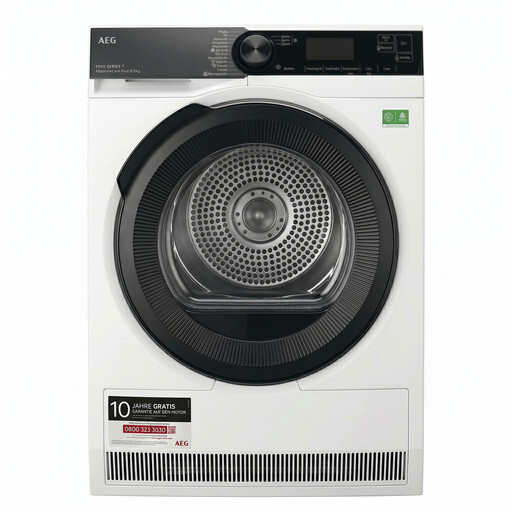
AEG TR9W75780, 8 kg, MixDry, energy class B
If you want to dry suitable mixed laundry together, MixDry is a stated feature of this model. Care labels and programme limits still apply.
View at Joybuy
 No image available
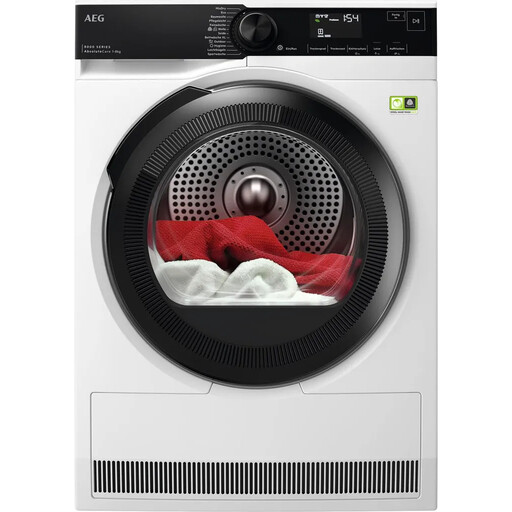
AEG TR8T75780, 8 kg, MixDry, energy class B
This model is worth considering if you’re looking for a tumble dryer with a dedicated MixDry programme. Check the care labels and programme instructions for every mixed load.
View at Joybuy
 No image available
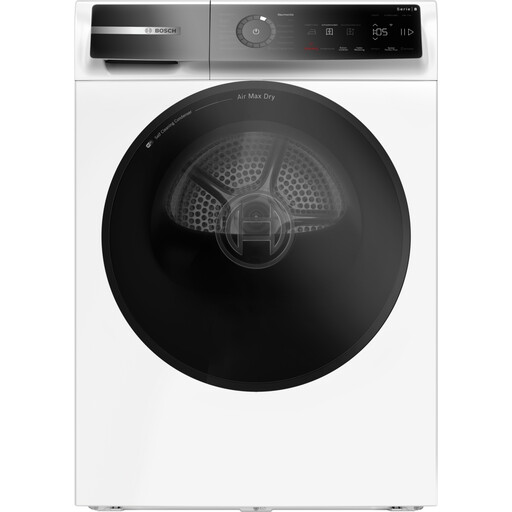
Bosch WRB247C40, 9 kg, energy class A
An option if you want to compare a model with a stated capacity of 9 kg. The Umweltbundesamt recommends choosing a drum size to suit your household’s needs.
View at Joybuy
 No image available
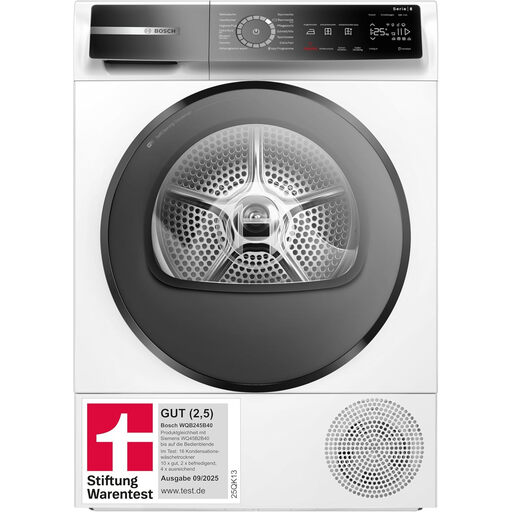
Bosch WQB245B40 Serie 8, 9 kg, energy class C
If you’re considering a larger drum, compare the stated 9 kg capacity with your usual loads and the limits of the programmes you plan to use.
View at Joybuy
Frequently asked questions
Can I tumble dry towels with any clothes, as long as the towels are suitable for tumble drying?
No, not just because the towels are suitable for tumble drying. Check the care labels on every item: they distinguish between normal tumble drying, low-temperature drying and fabrics that must not go in a tumble dryer. Also follow the instructions for your chosen programme.
How can I tell whether a more energy-efficient tumble dryer suits the way I use it?
Compare the consumption figures for the specific models using the same current label basis. For a rough estimate, multiply the consumption per cycle by the number of cycles you expect to run each year and your electricity price per kWh. Your actual loads may differ from those used for the label programme.
What do I need to maintain if the condenser is self-cleaning?
Continue to follow the instructions for the specific model. Bosch recommends removing fluff from the lint filter, so a self-cleaning condenser doesn’t mean that no maintenance is needed.
Which energy label applies to a current tumble dryer listing in Germany?
Since 1 July 2025, the EU label for tumble dryers, with ratings from A to G, has been displayed in shops and online. A+++ to D is the former scale. If a retailer gives different information, check the product information sheet for the exact model.
What can I do with my old tumble dryer when I buy a new one?
Local collection points accept old appliances free of charge. The Verbraucherzentrale also explains that retailers with a legal obligation must take back larger old appliances free of charge when you buy a new one. Check in advance how collection will be arranged with your order and delivery.


