Brands and model examples
The examples below relate to specific model ranges and their stated features, not to a brand’s entire range.
Bosch
For the WQG235D00, Bosch lists features including Auto Dry, a half-load option and a quick programme for certain small loads of synthetic fabrics.
- Bosch gives this model a self-cleaning condenser and a rated capacity of 8 kg.
- Bosch states that the 40-minute running time applies to small loads of synthetic fibres and thin materials, not to sportswear in general.
Siemens
The WT45HVG4 lists sportswear and outdoor programmes separately. Siemens describes the outdoor programme as gentle on performance clothing.
- For this model, Siemens lists an 8 kg rated capacity, autoDry and a noise level of 62 dB(A).
- The suitability of a programme still depends on the care label for each item.
AEG
AEG places the TR8SWEX in its 8000 AbsoluteCare range and describes its fabric care as designed for outdoor clothing.
- The product data sheet lists an 8 kg capacity, energy efficiency class C, 98 kWh per 100 Eco cycles and 86% condensation efficiency.
- The Eco energy-use figure doesn’t apply to the outdoor programme; fabric care claims are made by the manufacturer.
Beko
The B3T42249S is a heat pump tumble dryer with moisture sensors and a range of programmes.
- Beko lists energy efficiency class C, 63 dB(A) and OptiSense sensor drying for this model.
- Check the programme list and care labels to see whether a programme is suitable for your sportswear.
Joybuy products
The Joybuy models below are heat pump tumble dryers. For sportswear, check whether the specific programme is suitable for the care labels on your garments.
 No image available
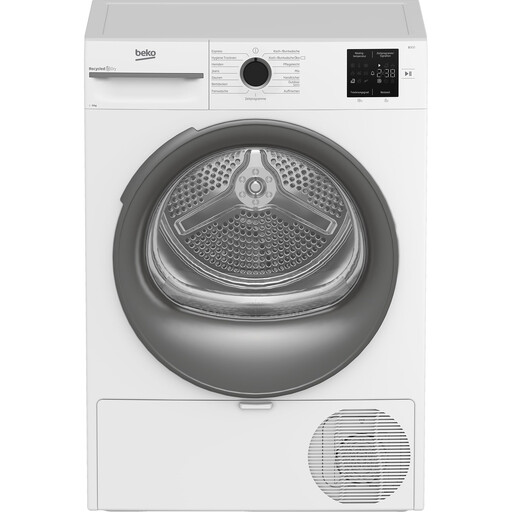
Beko BM3T39210W1, 9 kg
If you have a mix of fabrics to dry, the choice of programmes may be important; check whether a programme is suitable for your sportswear.
Heat pump technology, 9 kg, energy efficiency class E and 15 programmes.
View at Joybuy
 No image available
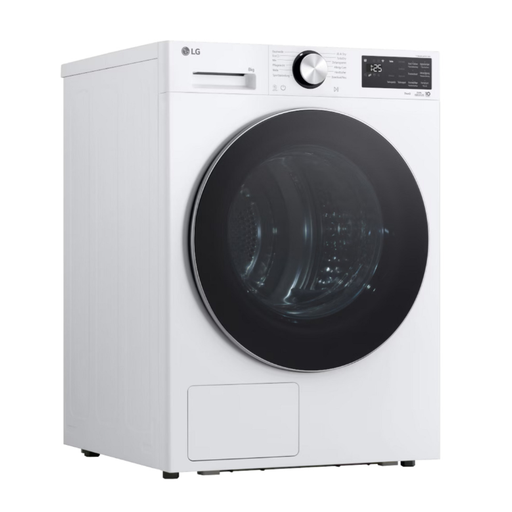
LG RT80X72W, 8 kg
If you’re comparing models for regular use, check the Eco energy use separately from whether a particular programme is suitable for sportswear.
Energy efficiency class B, 85 kWh per 100 cycles, 91% condensation efficiency and 62 dB.
Features listed include Easy Care and Mixed Fabrics; check the programme selection against the care label and manual.
View at Joybuy
 No image available
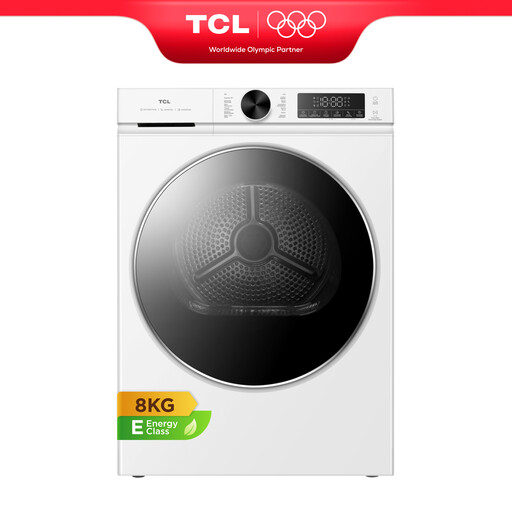
TCL DP4408WE1DE, 8 kg
The stated gentle mode may be useful for delicate fabrics; check whether it’s suitable for each garment by consulting its care label and the manual.
Eco heat pump, energy efficiency class E and 3-in-1 filter.
The product description also lists Auto Dry and a Gentle-Dry mode, but no specific sportswear or outdoor programme.
View at Joybuy
 No image available
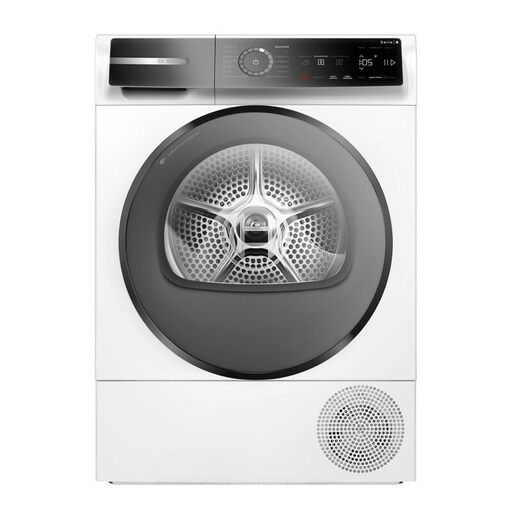
Bosch WQB246D41 Series 8, 9 kg
The half-load function may be useful for smaller loads of laundry; check separately which programmes are suitable for your sportswear.
Energy efficiency class B, condensation efficiency class B and 59 dB.
AutoDry and a self-cleaning condenser are also listed.
View at Joybuy
 No image available
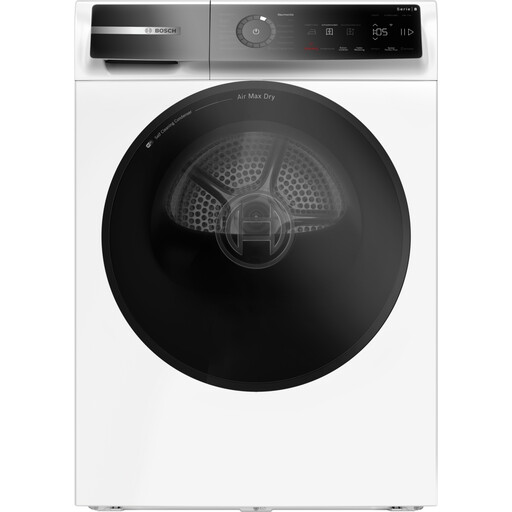
Bosch WRB247C40, 9 kg
The listed sportswear programme may be an option if the care label and model manual allow the garment to be tumble dried.
Energy efficiency class A, condensation efficiency class A and 57 dB.
The stated dimensions are 59,8 × 84,2 × 62,7 cm; a reversible door is also listed.
View at Joybuy
Frequently asked questions
Does having a sportswear programme mean that every sportswear item can go in the tumble dryer?
No. Always check the care label first: GINETEX Germany distinguishes between drying at a normal or low temperature and a symbol that means tumble drying is not permitted. Then check whether the programme on your specific model is suitable for the garment’s care instructions.
What should I check when installing a tumble dryer in a utility room?
Compare the appliance dimensions and door clearance, as well as the installation guidance in the model manual, with the space available. The EU label also gives the noise level and condensation efficiency; the latter shows what proportion of the moisture removed from the laundry is collected.
Does a heat pump tumble dryer need to be connected to a water drain?
Check the manual for your chosen model for details of the condensate container and drainage options. Bosch and Siemens list these features for individual models; also follow the instructions for emptying and cleaning.
What does regular maintenance involve?
Clean the fluff filter and, where applicable, the condenser as instructed in the model manual. The Verbraucherzentrale warns that fluff and dust build-up on electrical components can become a fire hazard over time.
What are the German rules on energy labels and disposing of an old appliance?
Since 1 July 2025, household tumble dryers have used the rescaled EU energy label from A to G. The European Commission exempts appliances placed on the market before this date from the new ecodesign measures. Old electrical appliances must be taken to an authorised collection provider, not put in household waste; retailers are required to take them back when the relevant legal conditions are met.


