
Lieferung heute & morgen

Qualitätsgarantie

Willkommens-Angebote freischalten: KOSTENLOSE Lieferung | Bis zu 80 % RABATT | Kostenlose 30-Tage-JoyPlus-Testphase
App herunterladen
A reusable tumbler with a straw is practical, eco-friendly, and often a stylish accessory. However, the market is vast, and not every model lives up to its promises. Many buyers only discover after a short time that their new tumbler leaks, is difficult to clean, or retains the flavour of previous drinks.
As your Joybuy Product Recommendation Officer, I'm here to help you identify these common pitfalls. This guide focuses on the critical features that separate a great tumbler from an impractical one, helping you make an informed decision.
When choosing a tumbler with a straw, there are three widespread problems that often only become apparent with daily use:
To avoid the problems mentioned above, you should check three core parameters before buying. These largely determine the durability, safety, and functionality of your tumbler.
The material affects weight, durability, insulation, and flavour neutrality.
A tumbler with a lid and straw is only as good as its sealing mechanism. Screw-on lids generally provide a more secure seal than simple press-on lids. Check if the straw opening has a separate seal or a flip-top mechanism to increase its leak resistance. The straw itself should be made of silicone, stainless steel, or glass and be wide enough for easy cleaning, especially if you plan to use it as a smoothie cup.
Consider what you will primarily use the tumbler for. A to-go coffee cup with a straw holding 400–500 ml is ideal for the morning commute. For long days, sports, or ensuring adequate hydration, models with 900 ml to over 1 litre, often called a tumbler with a straw, are more suitable. Also, check if the tumbler's diameter fits into standard car cup holders if you plan to use it while commuting.
Here are some recommendations tailored to specific use cases that meet the quality criteria mentioned.
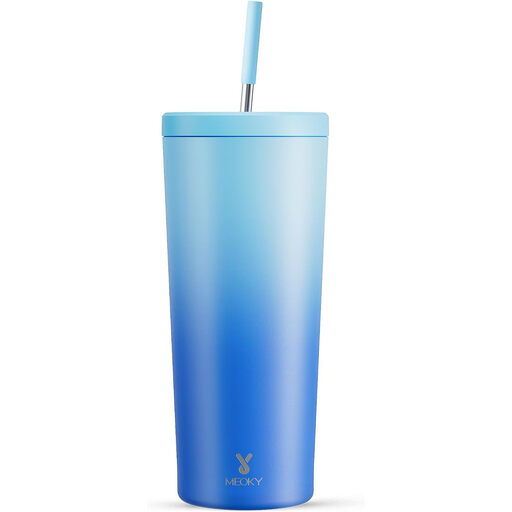
Why This Fits Their Persona: Ideal for commuters who need reliable insulation and leak resistance. The tapered design fits most car cup holders, and the double-wall vacuum insulation keeps drinks cold for a long time.
According to the manufacturer, the lid is 100% leak-proof when the straw is removed, solving the problem of spills in a bag. The 18/8 stainless steel prevents odour retention.
Excellent insulation for cold drinks; fits car cup holders; non-slip base for added stability.
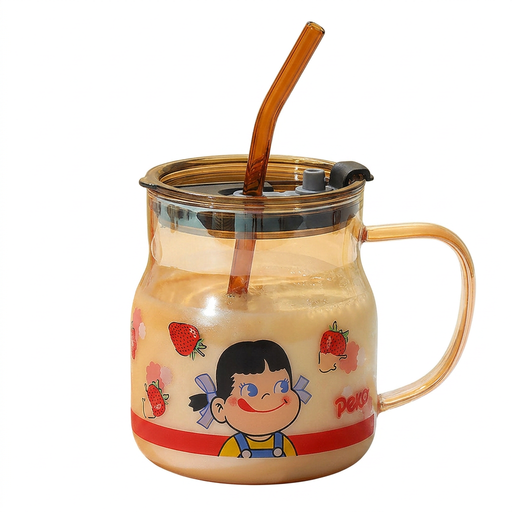
Why This Fits Their Persona: A safe and eco-friendly alternative to plastic cups for children. The borosilicate glass is temperature-resistant, durable, and free of harmful substances, making it ideal for water, milk, or juice.
Glass is completely flavour- and odour-neutral, thus avoiding the third pitfall. The simple construction of cup, lid, and straw is easy to clean thoroughly.
High-quality, thermal shock-resistant borosilicate glass; does not absorb odours or stains; easy to clean.
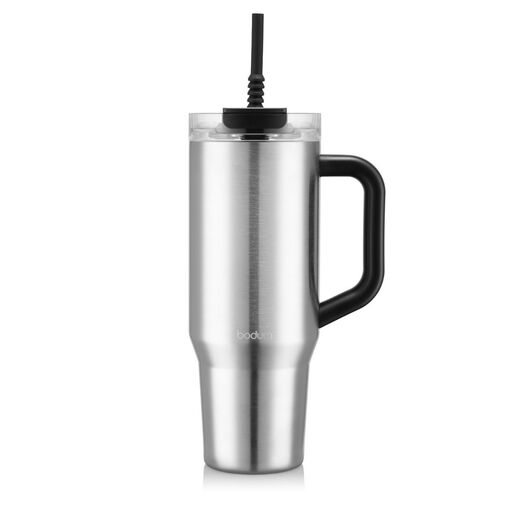
Why This Fits Their Persona: With a 1.2-litre capacity, this tumbler is perfect for anyone who wants to drink a lot throughout the day without constant refills. The integrated handle makes it easy to carry despite its size.
The large volume and wide opening make cleaning straightforward, preventing hygiene issues. Its robust, simple design is less prone to lid defects than complex mechanisms.
Very large capacity (1.2 litres); convenient carrying handle; secure lid to prevent splashes.
We have compiled a complete, up-to-date list of products that fully meet these strict selection criteria and comply with all applicable safety regulations.
Disassemble the tumbler into its individual parts (cup, lid, seal, straw) after each use. Rinse all parts with warm water and dish soap. Use a specialised, narrow brush to thoroughly clean the inside of the straw. Many tumblers are dishwasher-safe, but always check the manufacturer's instructions, as lids or seals may sometimes require hand washing only.
High-quality 18/8 stainless steel is very suitable for most beverages, including coffee, tea, water, and juices, as it is flavour-neutral. You should be cautious with highly acidic drinks like pure lemon juice or very carbonated beverages, as they could potentially corrode the material over the long term. For such cases, a glass tumbler is often the better choice.
BPA (Bisphenol A) is a chemical compound used in the manufacturing of certain plastics. It is suspected of being harmful to health as it can leach into food and drinks. A "BPA-free" tumbler is made without this chemical. This is an important safety feature, especially for products intended for children or for tumblers used for hot beverages.