Anyone who's stood in front of the canned tuna aisle at the supermarket knows the challenge: the differences between simple tuna chunks and high-quality tuna fillets are often not apparent at first glance. But for dishes where texture and flavour are paramount, whole fillets make a significant difference. This guide is designed to help you make an informed decision by highlighting objective criteria such as preparation method, sustainability, and nutritional value.
As your Joybuy Product Recommendation Officer, I have gathered information to offer you clear guidance and introduce products that stand out for their specific qualities.
What to Look for When Buying Tuna Fillets?
To find the right product for your needs, there are a few fundamental aspects to consider. These three criteria will help you make your choice.
Packed in Oil or in its Own Juice?
The liquid in which the tuna is preserved has a considerable impact on its flavour, texture, and nutritional profile.
- Tuna Fillets in Oil: Usually packed in sunflower or olive oil, these fillets are often juicier and more flavourful. The oil preserves the fish's moisture and ensures a tender consistency. This variety is particularly well-suited for salads, pasta dishes, or as a topping on bread, where the oil can act as part of the dressing or as a flavour carrier.
- Tuna Fillets in their Own Juice: Also known as tuna with no oil, this version contains only the fish, water, and salt. It is significantly lower in fat and calories. The natural taste of the tuna is more prominent. This option is ideal for a health-conscious diet or for recipes where you want to control the source of fat yourself.
Sustainability Labels and Fishing Methods
For many consumers, the origin of the fish plays a crucial role. Sustainable tuna helps protect marine ecosystems. Look for recognised certifications on the packaging.
- MSC Label: The blue Marine Stewardship Council (MSC) label identifies fish products from sustainable fisheries. It ensures that fish stocks are not overfished and that the impact on the marine ecosystem is minimised. A product with MSC tuna is a great choice for environmentally conscious buyers.
- Fishing Method: Information about the fishing method, such as "pole and line caught," indicates selective fishing with low bycatch.
Nutritional Value and Uses
Tuna fillets are an excellent source of protein. The exact content can vary depending on the product.
- Protein-Rich Tuna: Typically containing over 20 grams of protein per 100 grams, tuna is an excellent choice for athletes and anyone focused on a high-protein diet.
- Versatility: Thanks to their firm structure, whole fillets are particularly suitable as tuna for salad, as they do not fall apart as easily as tuna chunks. They give the dish a more appealing presentation and a better texture.
Tuna Fillets We Recommend
Based on the criteria mentioned, we have compiled a selection of products that are distinguished by their specific features.
Saupiquet Tuna Fillets in Sunflower Oil 185g
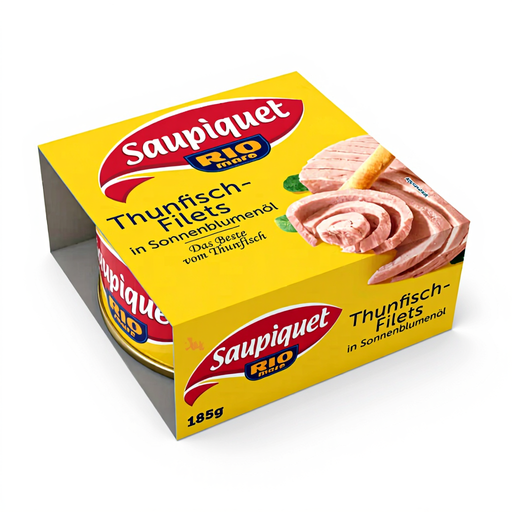
- Why it stands out: This product features hand-cut, whole fillets that offer a firm and juicy texture. The sunflower oil enhances the natural flavour of the tuna and keeps the meat tender.
- Benefits:
- Firm Texture: The whole fillets do not fall apart, making them ideal for sophisticated dishes.
- High Protein Content: A nutritious ingredient with 19 g of protein per 100 g.
- Rich Flavour: The oil provides a full-bodied aroma.
- Who is it for?: For food lovers seeking a rich flavour and premium texture for Mediterranean salads, pasta, or as a topping for bruschetta.
Saupiquet Natural Tuna Fillets No Oil 185g
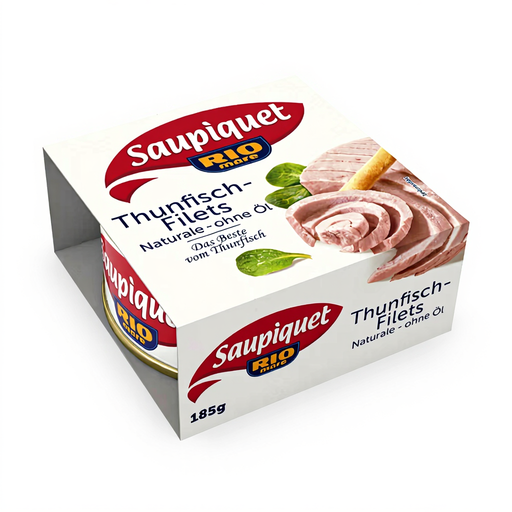
- Why it stands out: This version of Saupiquet tuna focuses on pure flavour with minimal fat. Packed in its own juice, it offers a lean source of protein.
- Benefits:
- Very High Protein Content: Delivers 24 g of protein per 100 g.
- Low Fat: With only 0.5 g of fat per 100 g, it's an excellent choice for a calorie-conscious diet.
- Natural Taste: The pure tuna flavour takes centre stage.
- Who is it for?: For health-conscious consumers and athletes who need a lean, high-protein ingredient for salads, wraps, or sandwiches.
Followfood MSC Tuna Fillets in Natural Juice 185 g
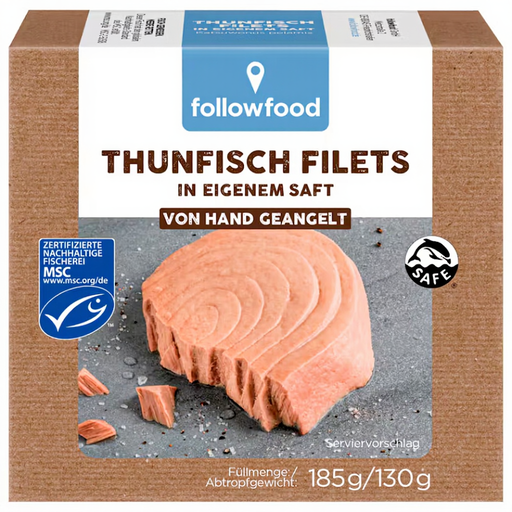
- Why it stands out: This product combines sustainability with high nutritional value. The tuna is MSC-certified and sourced from "pole and line" fisheries. Processing directly at the catch location in the Maldives preserves its freshness.
- Benefits:
- Proven Sustainability: The MSC label and pole-and-line fishing method represent responsible management of marine resources.
- Outstanding Protein Content: At 27 g of protein per 100 g, it is one of the most protein-rich options available.
- Convenient: With a minimal amount of packing liquid, the product is ready to use immediately.
- Who is it for?: For ethically-minded shoppers who value transparency and sustainability while seeking a high-protein, premium product for their meals.
Discover More Options
Haven't found the right fit for your needs among these recommendations? There are many other varieties that differ in fish species, preparation, or origin.
Explore our entire range and find the product that perfectly matches your needs.
? Discover more fish fillets here
Frequently Asked Questions
What is the difference between tuna fillets and tuna chunks?
Tuna fillets are whole, intact pieces from the muscle of the fish. They offer a firm, flaky texture and a more appealing appearance. Tuna chunks, on the other hand, are smaller, broken pieces that result from processing. Fillets are generally considered the more premium option and are better suited for dishes where texture is important.
How can I identify sustainable tuna?
The most important indicator of sustainable tuna is the blue MSC label (Marine Stewardship Council) on the packaging. This independent seal guarantees that the fish comes from a fishery that does not overfish well-managed stocks and minimises its impact on the marine ecosystem. Some manufacturers also specify the fishing method, with "pole and line" being considered particularly gentle.
Are canned tuna fillets ready to eat?
Yes, canned tuna, whether fillets or chunks, is cooked before packaging and is therefore ready to eat. You can use the fillets straight from the can for salads, sandwiches, or other cold dishes, or briefly heat them in warm meals like pasta sauces or casseroles.


