
Lieferung heute & morgen

Qualitätsgarantie

Willkommens-Angebote freischalten: KOSTENLOSE Lieferung | Bis zu 80 % RABATT | Kostenlose 30-Tage-JoyPlus-Testphase
App herunterladen
Tuna in olive oil is a staple in many pantries. Not only does it have a long shelf life, but it's also a convenient source of protein for quick and nutritious meals. Whether for a salad, a pasta sauce, or a high-protein snack on the go, the selection on the shelf can be overwhelming. This guide is designed to help you understand the differences between products and make an informed decision that meets your needs for taste, quality, and sustainability.
To make the right choice, a few key criteria are essential. Instead of relying solely on the brand name, the following points will help you objectively assess the quality of canned tuna.
The way the tuna is processed directly impacts its texture and culinary uses.
For a growing number of consumers, the origin of the fish plays a crucial role. Sustainable tuna helps protect marine ecosystems. Look for the following labels:
The oil not only preserves the tuna but also contributes significantly to its flavour. Olive oil is commonly used. Products that use extra virgin olive oil often provide a more delicate and fruity aroma. This can make a noticeable difference in taste, especially in simple dishes where the oil itself is a key component.
Based on objective product features like ingredients, sustainability seals, and processing style, we have curated a selection that caters to a variety of needs.
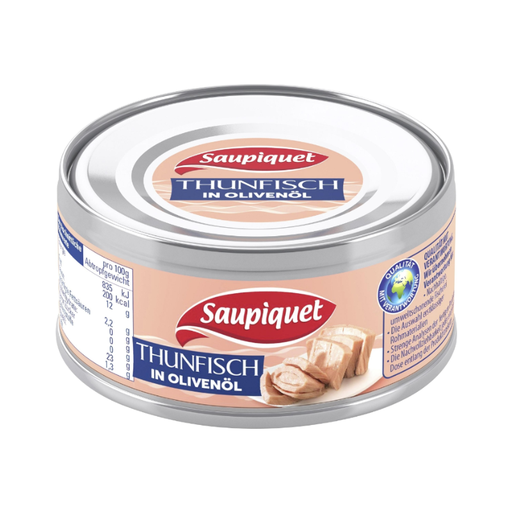
Why It Stands Out These tuna chunks from Saupiquet Tuna are a versatile classic for everyday cooking. The combination of Skipjack tuna and olive oil makes them a solid foundation for numerous recipes. The purse seine net fishing method is widely used and is employed here for catches in the Eastern Pacific Ocean.
Pros
Who It's For For anyone looking for a reliable and affordable tuna for daily use who values a simple ingredient for quick meals.

Why It Stands Out These tuna fillets in olive oil offer a firmer, more premium texture than standard chunks. The Skipjack tuna is wild-caught in the Western Pacific (FAO 71) and packed in fine olive oil. The convenient 80g portions are perfect for single servings or small meals.
Pros
Who It's For For home cooks who prefer a more visually appealing and texturally robust ingredient for salads, bowls, or as a simple snack on its own.
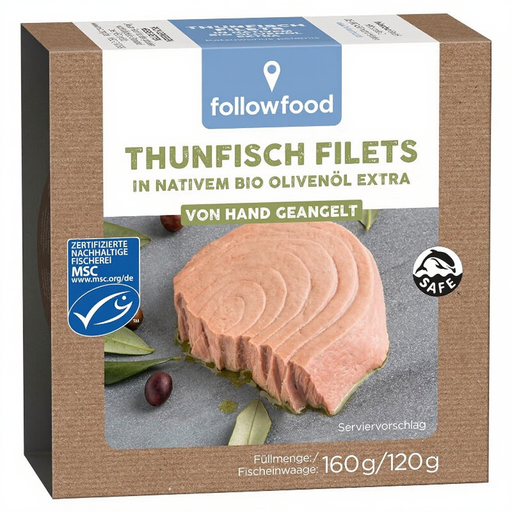
Why It Stands Out This product from Followfood sets the standard for sustainability and quality. The tuna is caught in the Maldives by pole and line, which is considered one of the most eco-friendly methods. It is also MSC-certified. The fillets are packed in high-quality organic extra virgin olive oil, ensuring an exceptionally fine flavour.
Pros
Who It's For For quality- and eco-conscious consumers who are looking for a verifiably sustainable tuna and are willing to invest in outstanding quality and ethical fishing practices.
Didn't find the perfect product for you? Tuna in oil is just one of many shelf-stable and delicious pantry options. Discover other specialities in our canned goods category.
? Discover our entire range of canned olives here
1. What is the difference between tuna in brine and tuna in olive oil? Tuna in brine (water and salt) has fewer calories and a cleaner, milder fish flavour. It's well-suited for diets or when a dish already contains other fats. Tuna in olive oil is juicier, more flavourful, and also provides healthy unsaturated fatty acids from the oil. The oil makes the fish more tender and gives it a richer aroma.
2. How can I identify sustainably caught tuna? Look for recognised seals on the packaging. The most well-known is the blue MSC (Marine Stewardship Council) seal, which certifies sustainable fishing practices. Another indicator is the fishing method. Tuna caught "by pole" or "Pole & Line" is considered especially low-impact, as bycatch is largely avoided.
3. Can you eat canned tuna straight from the can? Yes, canned tuna is already cooked and can be eaten immediately after opening. It is a safe and convenient ingredient for cold dishes like salads and sandwiches, or it can be eaten straight from the can as a quick, high-protein snack. After opening, any unused portion should be stored in a non-metallic container in the refrigerator and consumed within a short period (refer to the manufacturer's instructions).