
Lieferung heute & morgen

Qualitätsgarantie

Willkommens-Angebote freischalten: KOSTENLOSE Lieferung | Bis zu 80 % RABATT | Kostenlose 30-Tage-JoyPlus-Testphase
App herunterladen
Tuna in sunflower oil is a staple in many pantries. It serves as a quick source of protein for salads, pasta, or a simple sandwich filler. However, with the wide variety of products on the shelf, making a choice can be overwhelming. This guide offers a clear, objective look at the options, presenting various products based on key criteria to help you make an informed purchasing decision.
To find the right product for your needs, a few key criteria can help guide your selection.
The description on the canned tuna indicates how the fish has been processed.
Many consumers place a high value on sustainable fishing. The blue Marine Stewardship Council (MSC) label is a key indicator here. It certifies fisheries that are proven to fish in a way that maintains stocks and minimises their impact on the marine ecosystem. The skipjack tuna (Katsuwonus pelamis) most commonly used for canning often comes from MSC tuna-certified sources. A quick look at the packaging will provide this information.
The oil in which the tuna is packed affects both its flavour and nutritional profile. Sunflower oil is a common choice that preserves the mild taste of the fish. Some manufacturers also offer products in organic sunflower oil. You should also pay attention to the drained weight, as this indicates the actual fish content in the can. Comparing the protein content per 100g can also be insightful for objectively evaluating the nutritional value of different products.
Here is a presentation of various products available on the market. This selection is based on publicly available product information from the manufacturers.
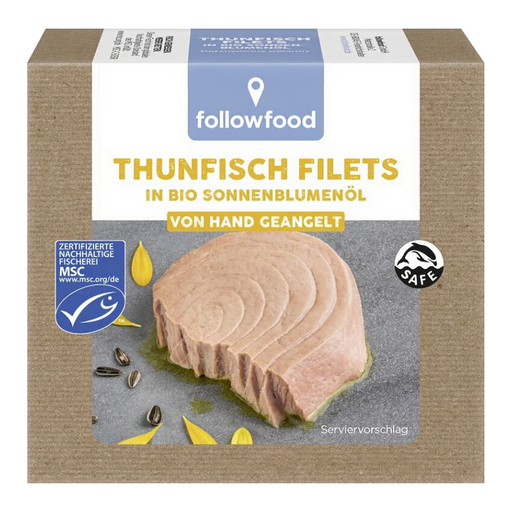
Why it stands out: This product combines an MSC-certified catch with the use of organic sunflower oil and offers transparent traceability of its origin.
Benefits:
Who it's for: For consumers who place a high value on demonstrably sustainable sourcing, organic-quality ingredients, and supply chain transparency.
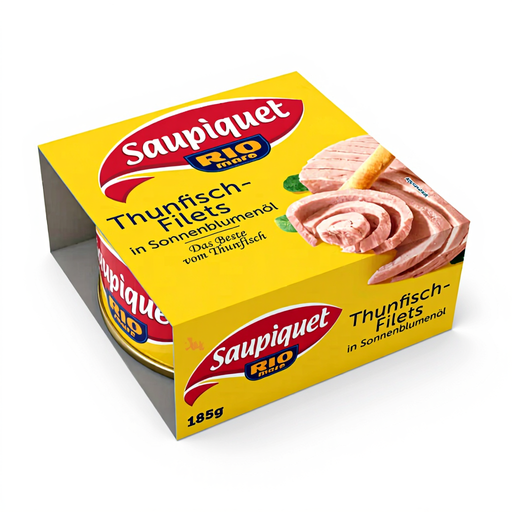
Why it stands out: Saupiquet is known for its whole tuna fillets, which offer a firm texture and an appealing look for salads and other dishes.
Benefits:
Who it's for: Ideal for preparing dishes where the firm structure and attractive appearance of the fish fillets are meant to be the focus.
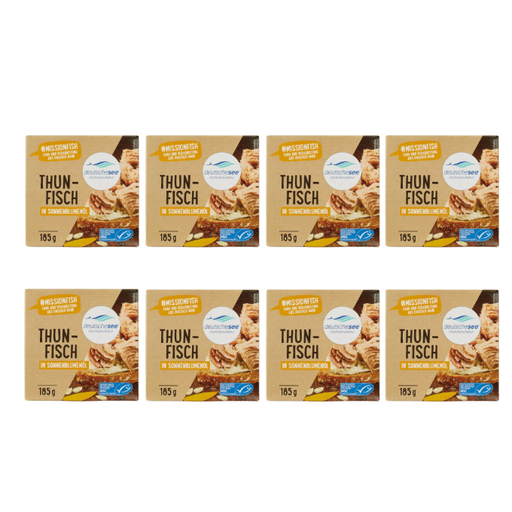
Why it stands out: This option offers a convenient bulk pack from a supplier that claims to control the supply chain from catch to processing.
Benefits:
Who it's for: For households that regularly buy tuna and want to build a practical pantry stock by purchasing a larger quantity.

Why it stands out: This product offers a solid combination of MSC certification and high protein content at an attractive value for money.
Benefits:
Who it's for: For budget-conscious shoppers looking for MSC tuna certification and a high protein content for their diet.
A well-stocked pantry is the foundation for many quick and nutritious meals. Besides canned fish, choosing the right oil is also crucial. If you're looking to replenish your supplies, you can find a selection of high-quality cooking oils here.
Discover our selection of sunflower oil
The MSC (Marine Stewardship Council) label is an internationally recognised mark for sustainable fishing. Fisheries that carry this label must meet strict criteria. These include maintaining fish stocks at healthy levels, minimising the impact on the marine ecosystem, and effective management.
Yes, canned tuna is a very convenient and rich source of protein. Depending on the product and its drained weight, a 100 g portion can contain between 19 g and 25 g of protein. You can always find the exact nutritional information on the product packaging.
After opening, the contents of the metal can should be transferred to a non-metallic, airtight container (e.g., glass or plastic). Stored in the refrigerator, the tuna should be consumed according to the manufacturer's instructions, usually within two days.