
Lieferung heute & morgen

Qualitätsgarantie

Willkommens-Angebote freischalten: KOSTENLOSE Lieferung | Bis zu 80 % RABATT | Kostenlose 30-Tage-JoyPlus-Testphase
App herunterladen
Turkey is a popular choice in both baby food and pet food. It is considered a mild-tasting meat and is often combined with vegetables, rice or other animal ingredients. However, a wide choice does not automatically make it easy to find the right product. Age, animal type, ingredients, portion size and label information all matter.
The wording on the front of the pack may suggest that a product contains a generous amount of turkey. The ingredients list is what matters, though. In the examples reviewed, the stated turkey content in baby food ranges from 8 to 8.5 per cent. Pet food may contain more: one MjAMjAM cat food, for example, lists 68 per cent turkey. Checking the percentage helps you avoid mistaking marketing terms for a full description of the recipe.
A baby food jar labelled for babies from 5 months is not automatically suitable for a child from 8 months. Likewise, cat food is not suitable for dogs, even if both products contain turkey. When choosing baby food, parents should check the stated age range, texture and any potential allergens. For pet food, it is important to check whether it is labelled as complete pet food or complementary pet food, and which animals it is intended for.
Multipacks of pet food mean fewer repeat purchases and can make portion planning easier. However, the price per 100 grams is more useful than the total price. Opened trays, pots and tins also need to be used within a certain time. If you cannot use a larger pack in time, the apparent saving may disappear.
For babies from 5 months, finely puréed or soft-textured meals are suitable, provided the pack states that they are intended for this age group. Products for babies from 8 months often contain finer pieces to help them learn to chew. This is not a medical claim, but a description of the texture of each product.
Several HiPP meals are easy to prepare: heat the opened jar or required portion in a bain-marie or microwave. Stir well afterwards and check the temperature. Any unheated leftovers should be sealed and kept in the fridge, then used the following day, in line with the product instructions. Do not serve leftovers that have already been heated.
If you are looking for organic baby food with turkey, check for the EU organic logo or a specific organic certification. Don’t assume a product is organic based on its name alone; check the packaging.
The baby food products mentioned here either contain no added salt or state a low salt content. However, the figures vary: Bebivita Potatoes and Carrots with Turkey, for example, contains 0.28 grams of salt per 100 grams, while several HiPP and Bebivita products for younger babies list 0.05 grams per 100 grams. Parents should also check for ingredients such as celery, milk, mustard or cereals, and refer to the label and seek medical advice if they are unsure.
When choosing wet cat food with turkey, check the declared meat content and the full ingredients list. A product containing 68 per cent turkey may include heart, liver, stomach or other animal ingredients as well as muscle meat. You can see this in the ingredients list, and it should not automatically be judged as better or worse.
For cats whose owners are looking for grain-free cat food with turkey, recipes that do not list grains may be suitable. Other products contain cereals or plant-based ingredients. The important thing is whether the recipe you want suits your cat’s usual diet and individual tolerance. For dogs, make sure you choose wet food with turkey specifically for dogs, or a complete dog food.
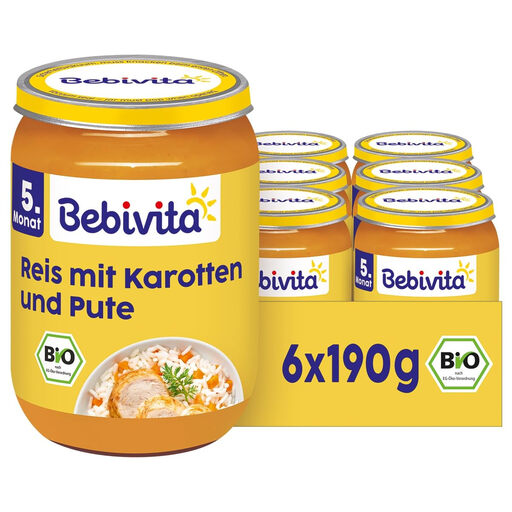
Why it suits this shopping need: This pack of six 190-g jars is intended for babies from 5 months and makes it easy to get started with puréed meals.
The age guidance, portion size and ingredients, including 8 per cent turkey, are clearly stated.
Finely puréed recipe, no added salt according to the product information, and handy individual jars.
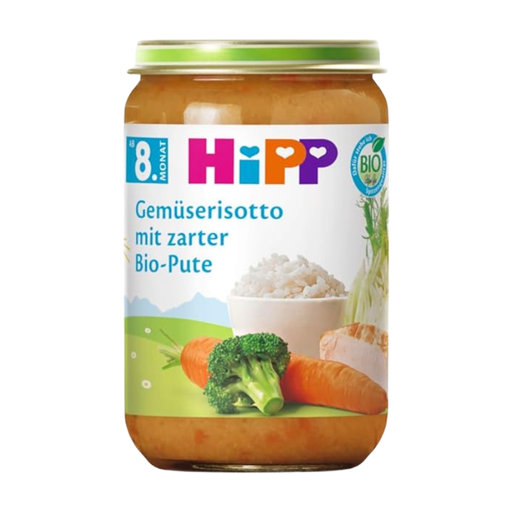
Why it suits this shopping need: This meal is intended for babies from 8 months and combines organic ingredients with a chunkier risotto texture.
The age range and organic ingredients are clearly specified; the ingredients list states that the turkey content is 8 per cent.
Six 220-g jars, an organic recipe, rapeseed oil as a source of alpha-linolenic acid, and fine pieces.
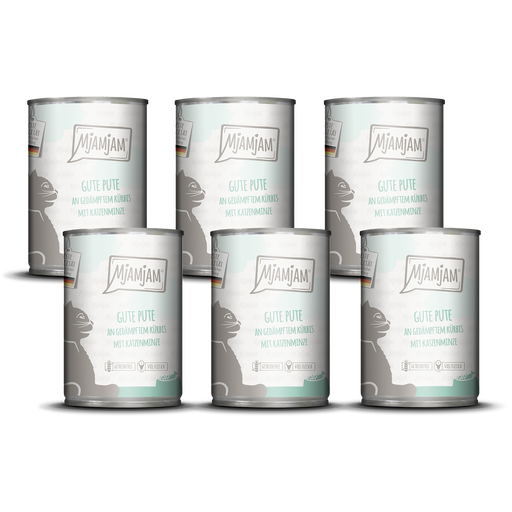
Why it suits this shopping need: This multipack of six 400-g tins is ideal for cat owners who regularly serve wet food with turkey.
The recipe lists 68 per cent turkey and states that it contains no grains, sugar or artificial binders.
Grain-free recipe, 400-g tins and declared analytical constituents, including 10.5 per cent crude protein.
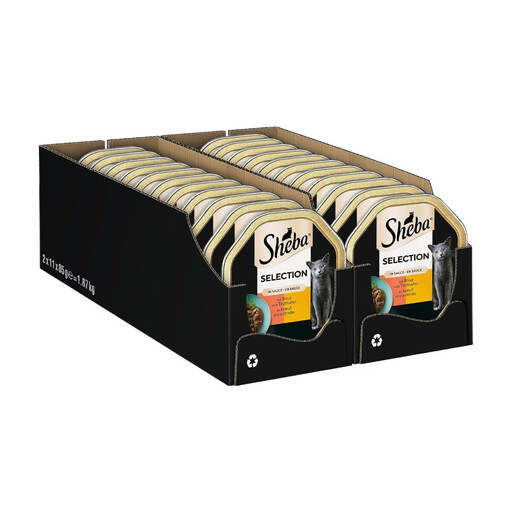
Why it suits this shopping need: The 22 individual 85-g portions make feeding adult cats easier and help limit leftovers once opened.
The portion size is clearly stated; according to the product information, the pieces contain 4 per cent turkey.
22 trays, sauce and feeding guidelines for cats weighing 3 to 5 kg.
We’ve put together a complete, regularly updated list of products that meet these strict selection criteria and the safety regulations in force in the EU.
Before buying turkey baby food or pet food, it’s worth checking the following:
It depends on the product. According to the product information, some Bebivita and HiPP meals are intended for babies from the 5th month, while others are for babies from the 8th month. Always check the age guidance, texture and ingredients list on the specific jar.
No. Being grain-free describes only one aspect of the recipe. Owners should also check whether the food is labelled as complete pet food, how much turkey and meat it contains overall, and whether the feeding guidelines are suitable for their cat.
This varies by product. The information available generally recommends keeping opened cat food in the fridge for 24 hours to two days. Always follow the specific manufacturer’s instructions on the packaging or product page. Food should be covered and not left at room temperature for long periods.