
Lieferung heute & morgen

Qualitätsgarantie

Willkommens-Angebote freischalten: KOSTENLOSE Lieferung | Bis zu 80 % RABATT | Kostenlose 30-Tage-JoyPlus-Testphase
App herunterladen
For many, Turkish tea, or ?ay, is more than just a beverage—it's a symbol of hospitality, community, and daily ritual. However, those looking to buy authentic Turkish tea in Germany are often faced with an overwhelming selection. Vague product descriptions or incorrect varieties frequently lead to a disappointing result in the cup.
This guide will help you navigate the common pitfalls. We'll show you which objective characteristics matter so you can find the exact tea that matches the original from Turkey and perfectly suits your preparation method.
To avoid a bad purchase, you should pay attention to a few fundamental parameters. These will give you a reliable guide to the tea's quality and suitability.
The majority of Turkish tea is grown in the Rize province on the eastern Black Sea coast. The microclimate there is unique: high rainfall and snowy winters make the use of pesticides largely unnecessary. According to manufacturers like Caykur Tea, the snow naturally protects the tea plants. A tea explicitly labelled as Rize tea provides a solid foundation for an authentic taste experience.
Loose-leaf Turkish tea is the most common form for traditional preparation. However, the various types differ significantly in taste and intensity.
The traditional method to prepare Turkish tea requires a tea designed to be kept warm for a long time. The tea concentrate (dem) is prepared in the upper, smaller pot of the ?aydanl?k and kept warm for hours without turning bitter. When serving, the concentrate is individually diluted with hot water from the lower pot. Make sure the tea is explicitly recommended for this preparation method.
Here are some recommendations tailored to different needs and flavour preferences.
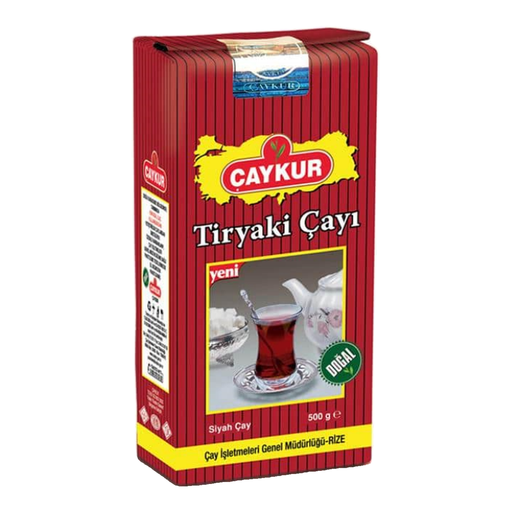
Why This Fits Their Persona: This variety is the epitome of everyday tea enjoyment in Turkey. The blend is specially designed to deliver a robust aroma, ideal for preparing large quantities in a ?aydanl?k, and can be enjoyed throughout the day.
As an original product from Caykur Tea, it bypasses the "Turkish style" trap. The blend is optimised for long brewing and doesn't become bitter, which avoids the pitfall of an unsuitable leaf cut.
Balanced, full-bodied flavour profile. High yield for daily consumption.
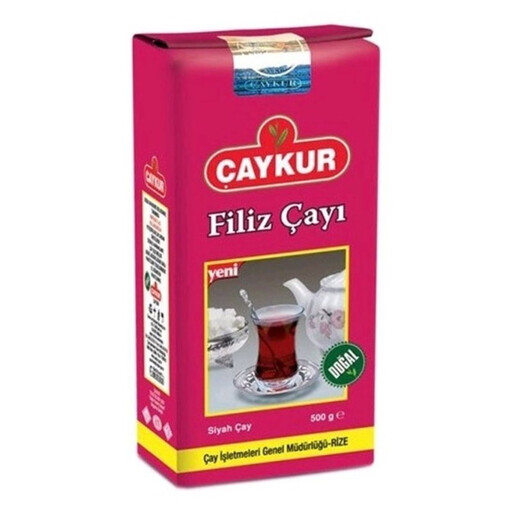
Why This Fits Their Persona: For tea drinkers seeking a finer and more nuanced aroma. "Filiz" means "bud," and this tea is made from the youngest leaves of the tea plant, giving it an exceptionally smooth and aromatic character.
The clear declaration as "Filiz ?ay?" avoids the trap of ambiguous quality. Its low tannin content, as described by the manufacturer, ensures that the tea does not become bitter even with prolonged brewing.
Made from delicate tea buds. Fine, floral aroma with low tannin content.
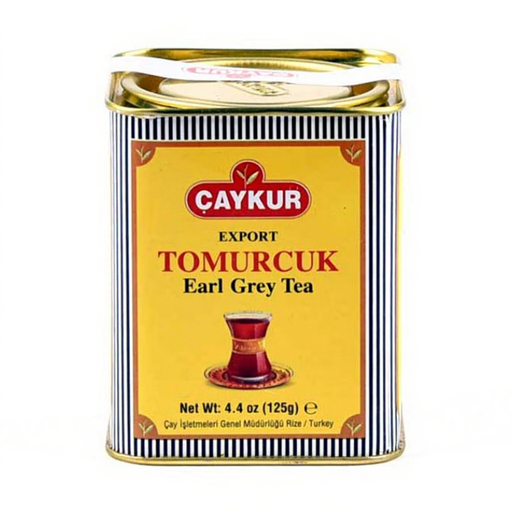
Why This Fits Their Persona: This is not a ready-made Earl Grey, but a bergamot-infused tea specifically intended for blending. It allows you to add a fresh citrus note to a classic black tea blend according to your own taste.
Because it's designed for blending, it gives the user full control over the aroma's intensity. You combine it with an authentic base tea, thus avoiding weak, artificially flavoured ready-made blends.
Flexible dosage for personalising your tea's flavour. Made from young tea buds for a fine aroma.
We've compiled a complete, up-to-date list of products that meet these strict selection criteria.
1. How do you properly prepare Turkish tea in a ?aydanl?k? Preparation in a ?aydanl?k, the two-tiered teapot, is straightforward. Fill the lower, larger pot with water and bring it to a boil. Meanwhile, add the loose tea (about 1 tablespoon per 2-3 glasses) to the upper, smaller pot (demlik). Once the water boils, pour some of it over the tea leaves in the upper pot until they are covered. Place the small pot on top of the large one and let the tea concentrate steep over low heat for 15-20 minutes. To serve, pour some concentrate into a glass and fill it with hot water from the lower pot—depending on the desired strength.
2. What is the difference between Caykur Tiryaki, Rize Turist, and Filiz? These three varieties from Caykur Tea are among the most well-known.
3. Can you make Turkish tea without a semaver or ?aydanl?k? Yes, it's possible. You can replicate the method with two separate pots. Use a kettle or a pot to boil water. In a second, smaller pot (preferably porcelain or glass), prepare the tea concentrate by pouring boiling water over the loose leaves and letting them steep. You can then dilute the concentrate in a glass with hot water as usual.