
Lieferung heute & morgen

Qualitätsgarantie

Willkommens-Angebote freischalten: KOSTENLOSE Lieferung | Bis zu 80 % RABATT | Kostenlose 30-Tage-JoyPlus-Testphase
App herunterladen
A turtle plush toy is more than just a toy; it's often a loyal companion for children and a coveted collector's item for enthusiasts. But the market is flooded with products of widely varying quality. To avoid disappointment, it's crucial to understand common flaws and misleading features before making a choice. This guide will help you distinguish quality from the rest and find a durable, safe product.
Many plush toys look appealing at first glance but reveal their weaknesses after only a short time. Pay close attention to these three points to avoid a purchase you'll regret:
To ensure you choose a high-quality and suitable turtle toy, you should check the following core factors. These features are crucial for safety, durability, and play value.
The material is the most important criterion. A high-quality plush turtle should be made from soft yet durable fibres.
The quality of the craftsmanship determines how long a child will enjoy their plush toy.
Not every turtle toy is suitable for every age. A soft plush toy with no small parts is a great choice even for infants. Playsets with small accessories, such as those offered by Playmobil, are aimed at older children who are capable of role-playing and handling small objects safely.
Here are a few recommendations tailored to different needs, all of which meet the quality criteria mentioned above.
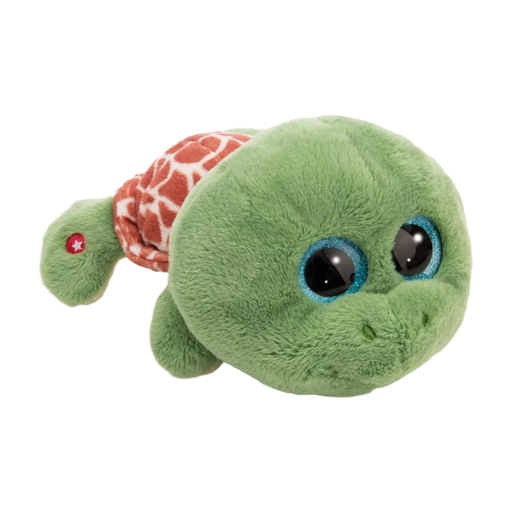
Why it's a great fit: Ideal for anyone looking for a classic, high-quality plush toy that serves as both a plaything and a collector's item. The GLUBSCHIS Marmi is a perfect gift for children and adults who appreciate the iconic design with its large, glittery eyes.
The securely anchored glitter eyes and high-quality craftsmanship to NICI standards minimise safety risks. The durable plush material and robust seams ensure a long lifespan, even with intensive cuddling.
Made from super-soft NICI plush material. Part of the popular GLUBSCHIS collectible series, each with its own name and motto. Suitable for children from 0 months, according to the manufacturer.
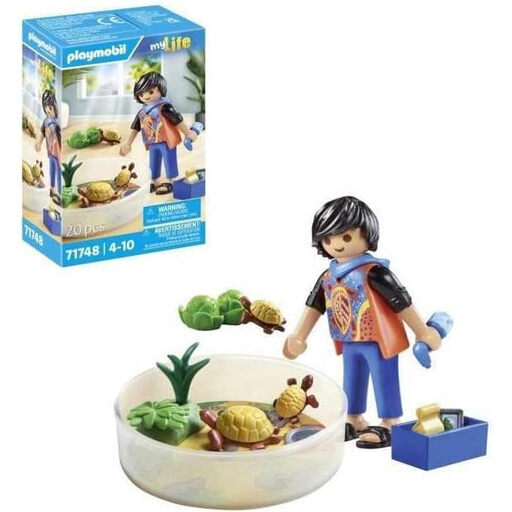
Why it's a great fit: This playset is designed for children who want to do more than just cuddle—they want to play actively and create stories. It fosters creativity and an interest in animals through interactive role-play.
Playmobil is known for its robust plastic parts and adherence to strict safety standards. The age recommendation (4+ years) ensures that the child has the motor skills to handle the included small parts safely.
Promotes imaginative and educational play. Made from durable plastic for long-lasting use. Features a compact design that is easy to store and transport.
We've compiled a complete, up-to-date list of products that fully meet these strict selection criteria and safety regulations.
1. How do you properly wash a turtle plush toy? Most high-quality plush toys can be cleaned in the washing machine. Use a gentle cycle at a maximum of 30°C (86°F) and a mild detergent. It's a good idea to place the plush toy in a pillowcase or laundry bag to protect the material and especially the eyes. Let it air dry and avoid the tumble dryer, as high heat can damage the fibres.
2. From what age is a plush toy with glitter eyes suitable? It depends on the craftsmanship. Products like the NICI GLUBSCHIS are often rated by the manufacturer as suitable for children from 0 months, as the eyes are designed and attached in a way that prevents them from coming loose. However, always check the specific age recommendation from the manufacturer on the label. If you're unsure, or for unsupervised play with infants, embroidered eyes are a more cautious choice.
3. What is the difference between a plush toy and a playset? A plush toy, like the NICI GLUBSCHIS Turtle, is primarily intended for cuddling, comfort, and companionship. Its focus is on tactile feel and emotional connection. A playset, like the terrarium from Playmobil, is geared towards active, imaginative role-playing. It includes figures and accessories to create scenarios and tell stories, which promotes creativity and fine motor skills. The choice depends on the type of play experience you want to provide for the child.